Balancing is an extremely challenging aspect of game development, especially in a MOBA like League of Legends that features over 100 champions. Riot Games’ approach is to nerf champions that appear strong in the current meta to prevent them from being too dominant compared to others. The question arises: why does Riot choose this method instead of buffing all the weaker champions? In this article, we will seek the answer.
Why Continuously Nerf a Few Strong Champions?
In typical games, when a champion is too strong in the meta, they are nerfed to target their strengths, which makes them weaker than before and generally reduces the power level of that position. However, League of Legends is different; when Riot Games designs a new champion or reworks one, they often give it a power ceiling that is significantly higher than that of the existing champions or an excessive versatility. Even if they nerf a few aspects, that champion remains strong and shines in other roles, still necessitating further nerfs.
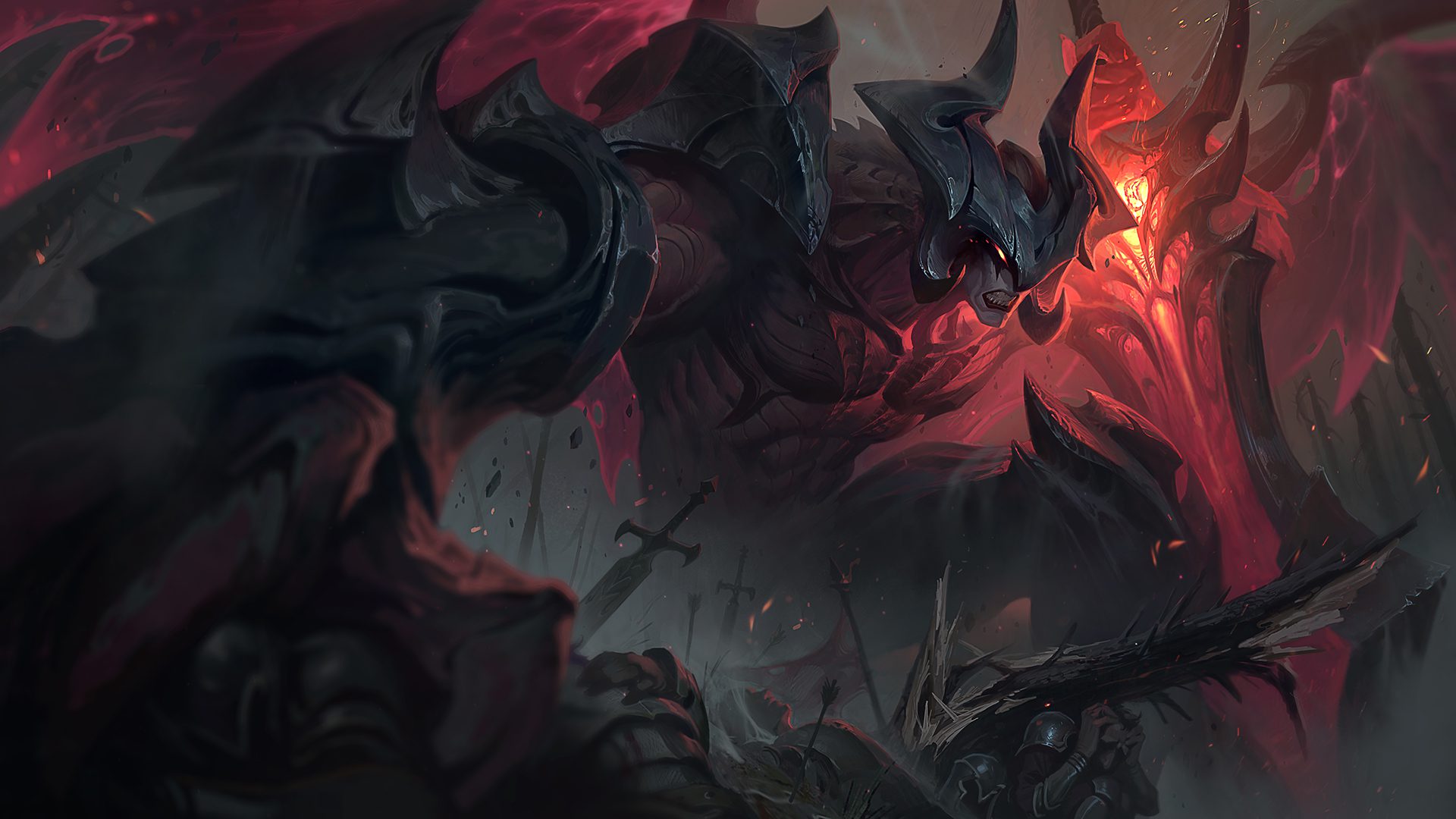
A prime example is Akali, who has been continuously nerfed for over a year but still appears in tournaments. Simply put, the abilities of this assassin are too numerous, and no other champion can compete. This happens with most new champions in League of Legends; alongside Akali, we have Aatrox, Irelia, followed shortly by Sylas, Qiyana, and Mordekaiser, who all have innate strengths that surpass other champions. Even with nerfs, they remain strong, and Riot’s choice is to continue nerfing.

Is Buffing All Weak Champions Feasible?
Now that we understand why Riot only nerfs a few champions, let’s address the second part of the issue – buffing all weak champions. However, this is fundamentally impractical, if not impossible. Each time a champion needs a buff, developers must consider how this buff will strengthen that champion in their position, whether it helps to address current weaknesses, etc. Each of these processes takes a significant amount of time.

Meanwhile, we know that League of Legends players are accustomed to a version update rhythm of every two weeks. In that two-week window, how many people can theorize, design, and practically test those changes for over 100 champions? This is certainly impractical given the extremely short preparation time.
That’s from a time perspective; another factor preventing Riot from deciding to do this is the nature of the game. The idea of buffing all weak champions sounds appealing, but if Riot were to actually implement it, some champions would inevitably become stronger among the already strong champions. Many champions are not inherently weak; they have been nerfed too much in the past, causing their win rates to drop significantly. If they were buffed, they would be like resurrected monsters, and Riot would fall into the trap they created themselves.
Conclusion
Buffing all weak champions to be on par with strong champions is a pretty good idea in theory; if everyone is strong, there will be no overpowered champion left. However, the nature of League of Legends has never been a balanced game, and no matter how adjustments are made, there will always be a segment of players who only play the strongest meta champions, making that idea difficult to realize.