The Streamarathon event that took place over the weekend featured a series of tournaments spanning from Europe to Asia to make up for the cancellation of the MSI 2020. While the Western tournaments were largely comedic, with commentators participating in show matches, the Asian tournaments were serious and highly competitive. The reason is quite simple: the participating teams are all the strongest squads with their full rosters.
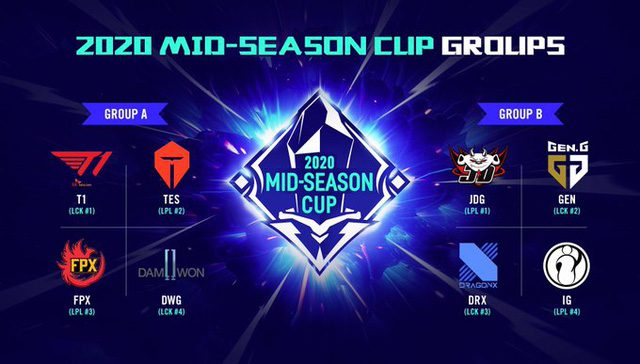
The most attention-grabbing event was undoubtedly the China-Korea Grand War, featuring four of the strongest teams from LCK and LPL, including T1 with Faker. Expectations were high for an intense tournament, but the reality was the opposite; the Korean teams were completely overwhelmed by the LPL teams, with 3 out of 4 LCK teams eliminated after the group stage. Gen.G was fortunate to squeeze through a narrow opening but was defeated by Top Esports with a shameful 0-3 score.
Just a few days ago, former player and LCK commentator – CloudTemplar held a livestream after the tournament and bitterly admitted that the LPL teams are indeed stronger. However, he also stated that the Chinese teams do not necessarily have a playstyle that counters the LCK; the issue lies in pure skill.
“I believe there are still people who think that LCK can win every tournament” – CloudTemplar began – “However, I think that since 2018, Korean teams are no longer the defending champions; they are more like challengers trying to dethrone the kings. LCK teams need to learn from their mistakes and abandon their previous superiority complex.”
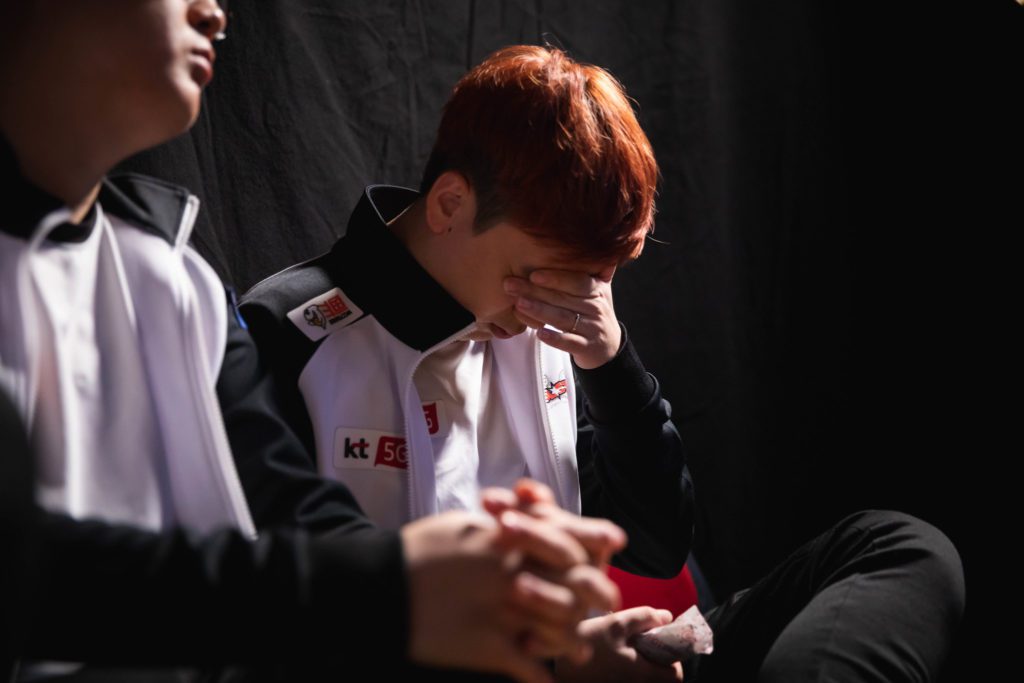
Regarding the biggest issue facing LCK teams today, CloudTemplar believes that the teams are too focused on themselves and their safe playstyle – “LCK is often compared to G2 Esports, as if asking why we keep playing the same few champions? Can’t we be flexible in our strategies? I agree and think that the major problem here is that we are too focused on ourselves and not paying attention to our opponents.”
“Instead of forcing the opponent to make mistakes, we play as if we will win if we don’t make any mistakes. In other words, LCK plays not to lose rather than to win, like trying to bandage our wounds instead of making the opponent bleed.” – CloudTemplar bitterly shared about the current state of play among Korean teams.

Discussing the differences between LPL and LCK, CloudTemplar argues that in terms of overall playstyle, the two regions are not too different. What makes LPL stronger lies in their superior skill execution and teamfighting – “LPL is no longer a region that fights instinctively; they choose their moments to engage much more purposefully. It sounds quite similar to LCK, and even the champion picks of both regions are similar.”
“However, their skill execution and teamfighting are significantly better; they do not have too many differences in champion usage. Simply put, their Varus plays better than ours, same champion, same playstyle, same usage, but the players in LPL stand out compared to LCK.”
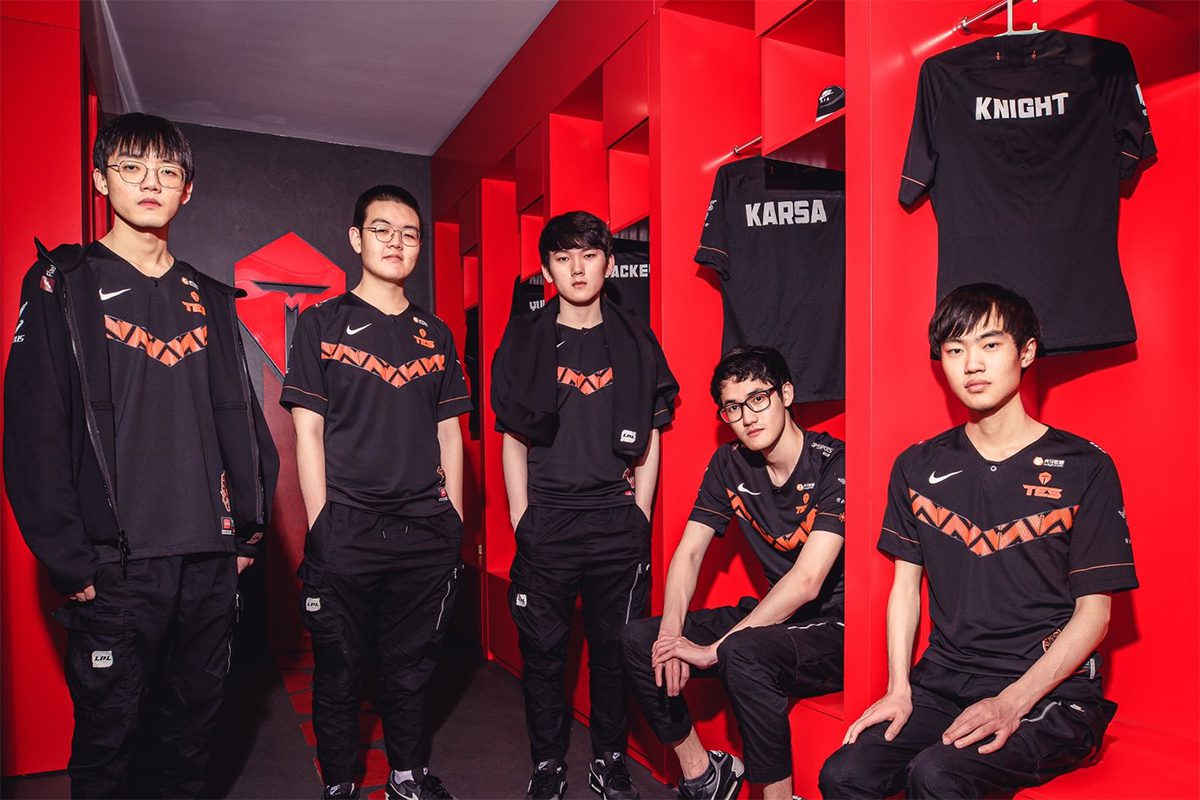
So how can improvement be made? Many have asked CloudTemplar this, and he believes the most important thing that LCK teams need to improve is the unpredictability of their players – “With LPL’s playstyle, every player needs to learn how to initiate fights because confrontations can erupt at any moment. Meanwhile, LCK teams rely on champions and compositions; for example, a team like T1 with Ornn will only engage when they have the Ultimate available.”
“But in LPL, anyone can start a fight; from mid-lane Syndra, Lee Sin, Thresh can create unpredictable situations. It’s hard to know who and when the LPL teams will dive straight at you. I think LCK players need to work on this.” – CloudTemplar concluded.

One of the most notable points in CloudTemplar’s remarks is that LCK teams play not to lose, while other teams play to win. This highlights the biggest weakness of Korean teams in international competitions, as they tend to adopt a overly conservative playstyle and avoid making mistakes, while opponents can exploit this to dominate LCK teams and gain a significant advantage.
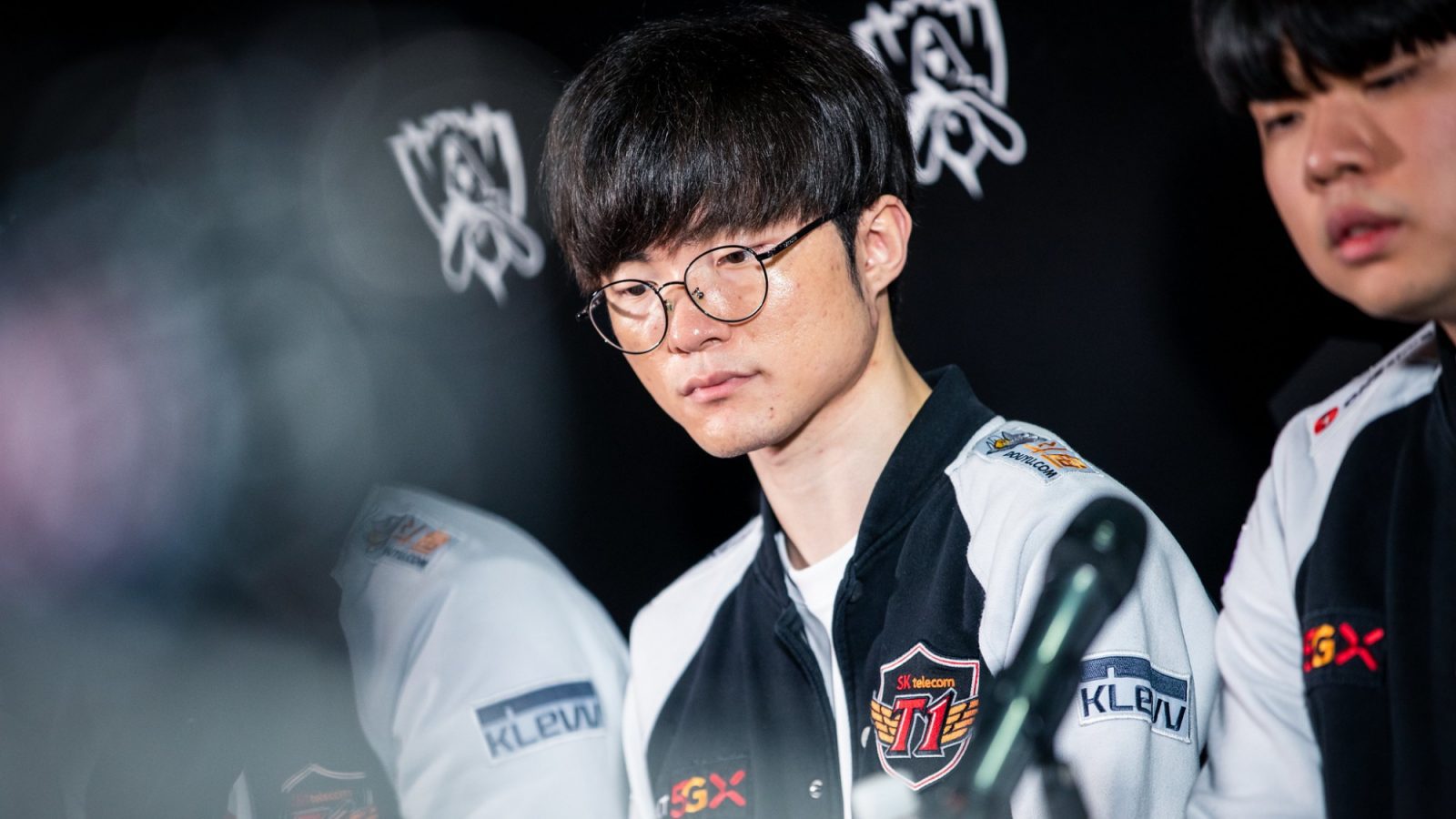
The weaknesses are already apparent to everyone, but how LCK teams can address this issue and compete with LPL remains a different story. The LPL has a long history of nurturing young talent and establishing a branded playstyle, which takes a lot of time, resulting in the current dominance. Hopefully, as LCK transitions to a franchise system and the Academy leagues emerge, this situation will improve.