

On the morning of April 25, the VCS community was abuzz. After the conclusion of the 2023 Spring Split and the championship title being determined, Optimus – the former star of GAM Esports and one of the most renowned figures in the Vietnamese League of Legends scene, posted a lengthy message on his personal page. The post addressed issues in the communication efforts of teams and the VCS, as well as the shortcomings of the players.
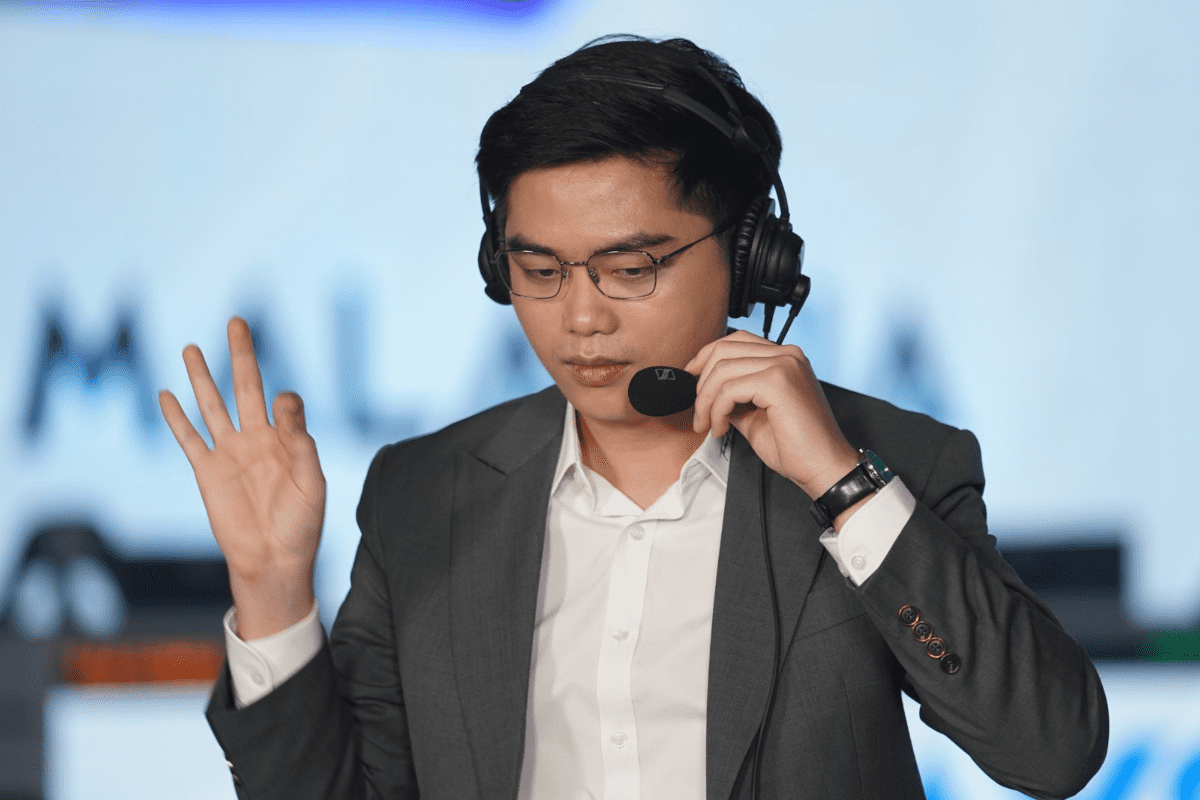
One of the main points of contention was his mention of players’ rest periods. This portion led to a significant backlash against Optimus. Many argued that he was being too extreme and that the decision of players to return home for a break is a personal freedom. Some even suggested that if it were GAM Esports (the team Optimus referred to as an example), they would likely take similar breaks.
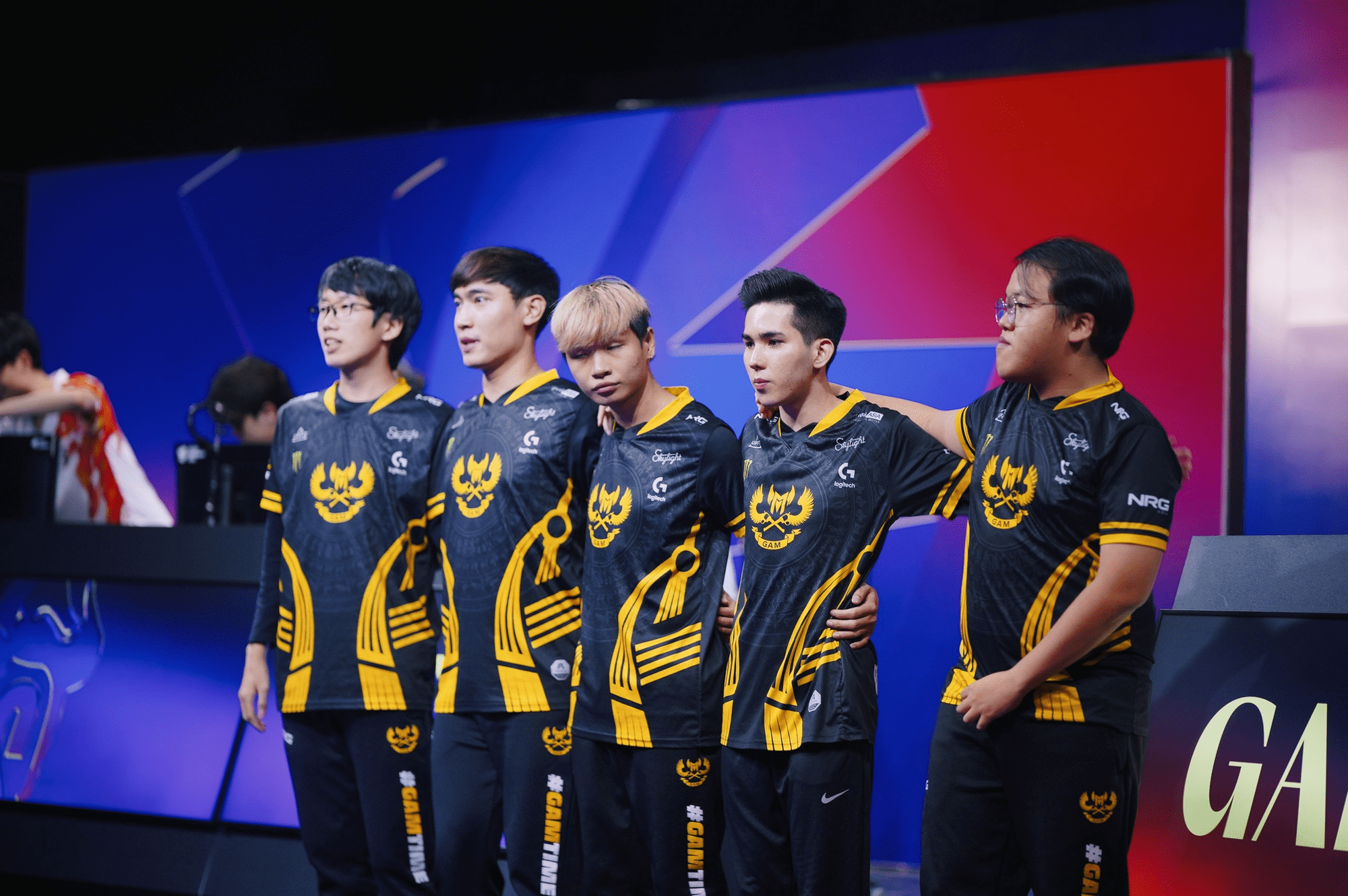
Optimus’s statement also drew some figures from various teams into the debate. One of the questions raised was: What is the difference between “resting” and “taking a vacation”?
In the League of Legends community, the concept of “resting” is not unfamiliar. Typically, when a player announces they are “taking a break,” it means they will temporarily step away from the professional League of Legends scene. Currently, the most notable case associated with this concept is Doinb. This action is primarily aimed at allowing players to truly set aside the pressures, take time to relax, and recharge their energy. In some cases, the reasons may stem from injuries that players have suffered. For example, Uzi made his return in the Spring 2022 season with Bilibili Gaming.
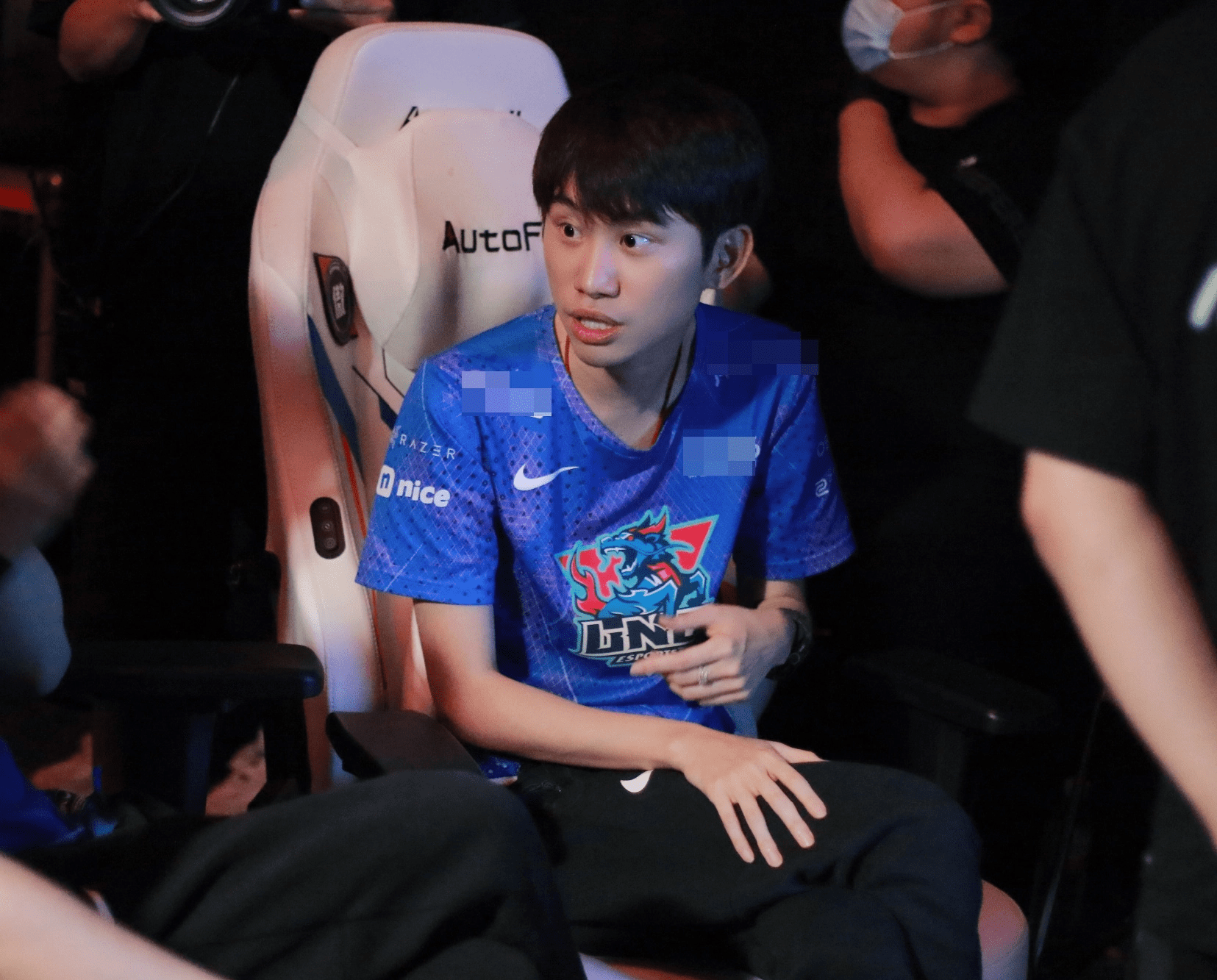
On the negative side, there are many players who fail to regain their best form after a break because they have reached their limits, as seen in the cases of Nuguri and Uzi. This period also allows players to reflect on their past journeys and find new directions for the future. Nuguri decided to retire after taking a season off and returning, but did not perform effectively with DWG KIA.
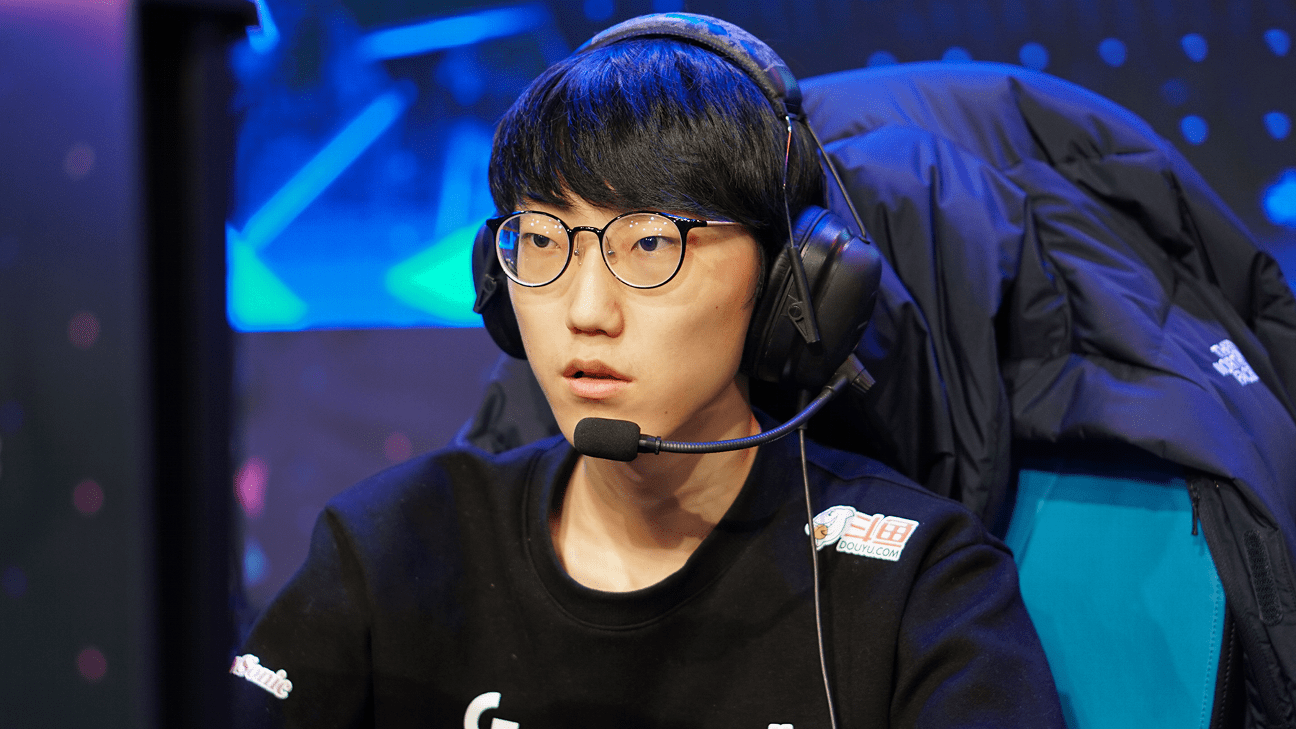
A vacation, on the other hand, is a shorter period and is often dictated by contracts or special times of the year. The length of the vacation can depend on various factors such as the frequency of tournaments, the team’s goals for the season, etc. Additionally, in some regions, players may take the opportunity to do advertising gigs or conduct promotional activities for their parent companies during their vacation. For example, T1 often engages in promotional activities after the World Championship concludes or prior to the start of new seasons, alongside advertising contracts during the season.

Returning to Optimus’s post, he did not discourage players from taking breaks. But there is one truth: if players rest too much, they may be left behind while their opponents start to sprint ahead. Optimus’s advice undoubtedly aims to encourage players to be stricter with themselves, to develop both themselves and the VCS tournament.