

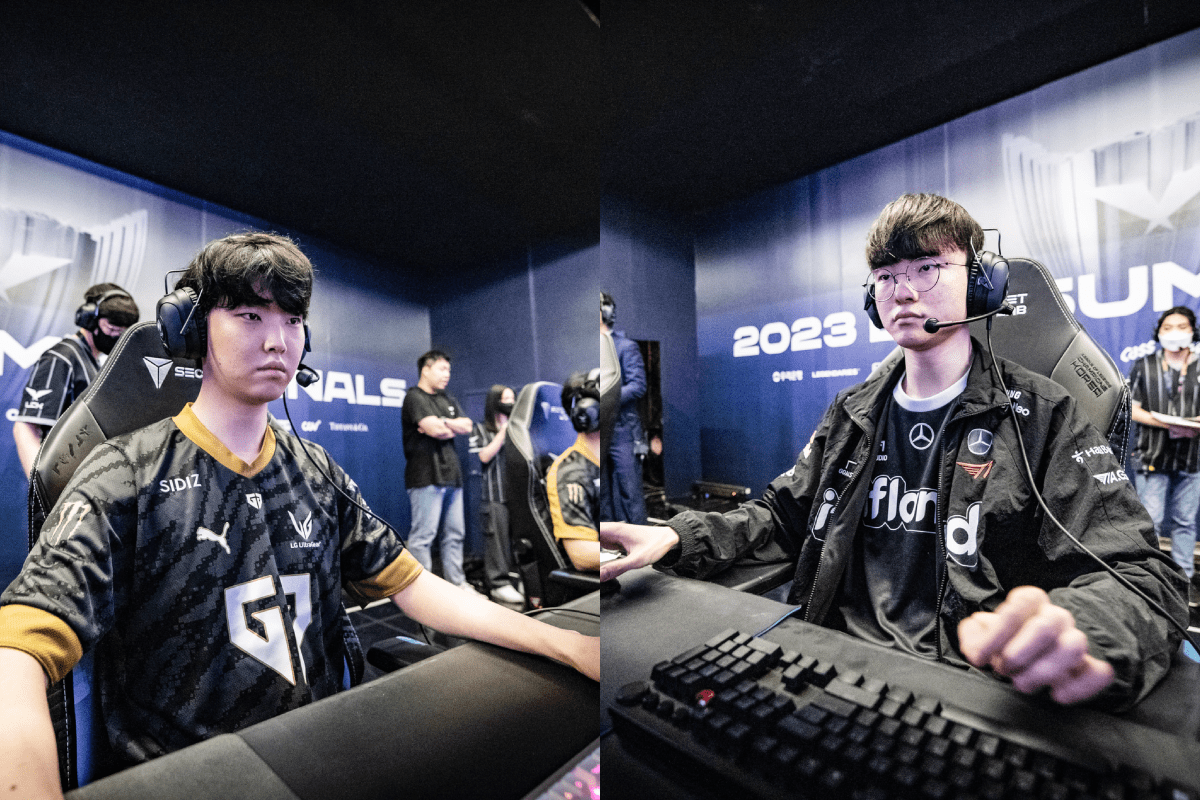
T1 and Gen.G have always been regarded as a “fierce rivalry” in recent years. While Gen.G often wins national tournaments, T1 tends to have a clear edge in international competitions, as demonstrated in the recent MSI 2023. Furthermore, both teams have adopted completely different philosophies when it comes to roster construction. This contrast was previously highlighted during the first season when T1 and Gen.G announced their new rosters, specifically at the beginning of the 2022 season.
T1 with innate strength
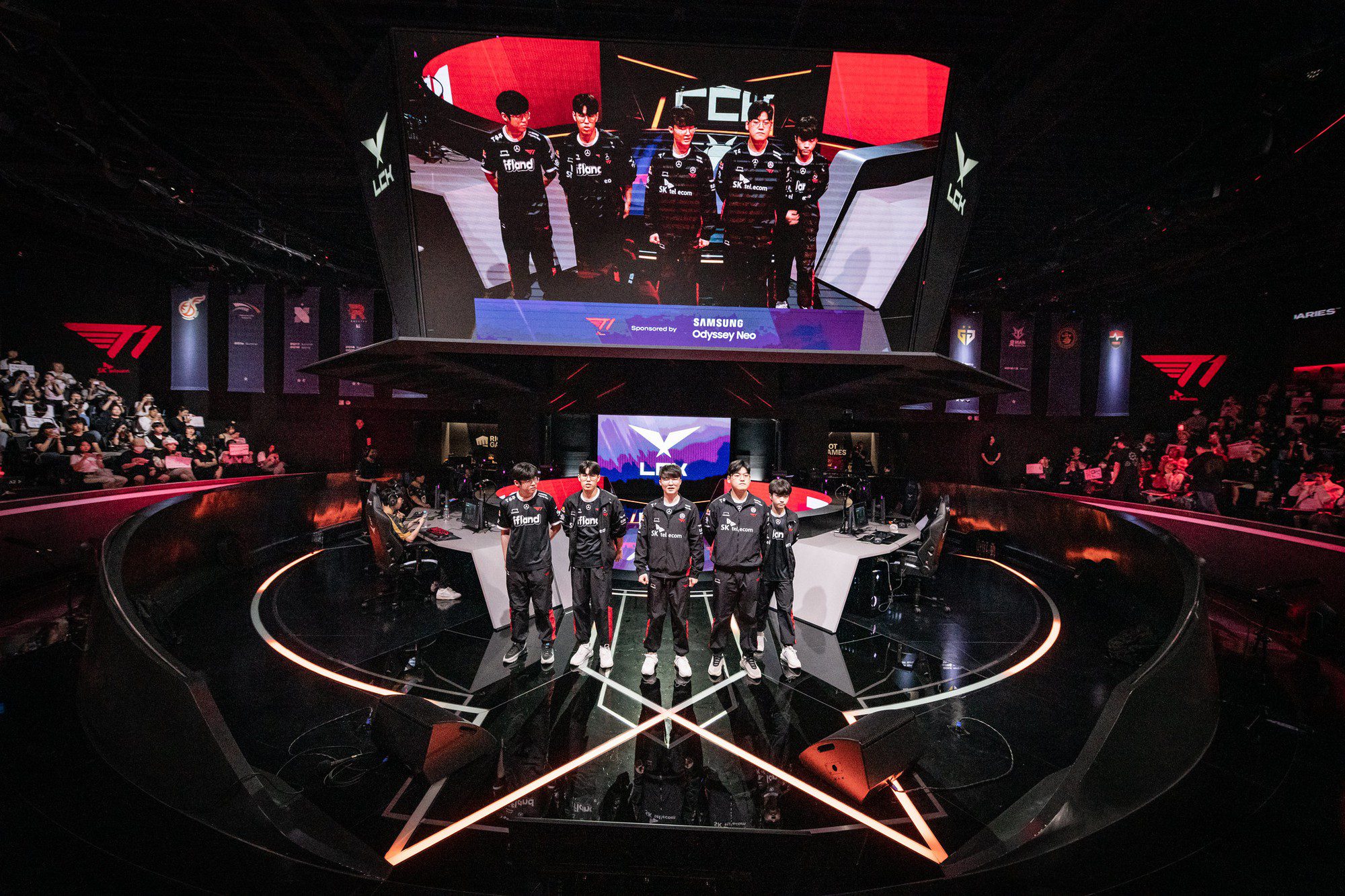
T1 has always been known for favoring homegrown players and rarely participating in the transfer market. Their training facility is renowned for producing high-quality talents, with Faker being the most prominent example. Moreover, players who are not from T1’s academy sometimes struggle to succeed after joining the team. Of course, there are exceptions like Khan, Bang, and later, Keria. However, the hallmark of SKT T1/T1 has always been their focus on existing potential.
The “Galaxy” of Gen.G
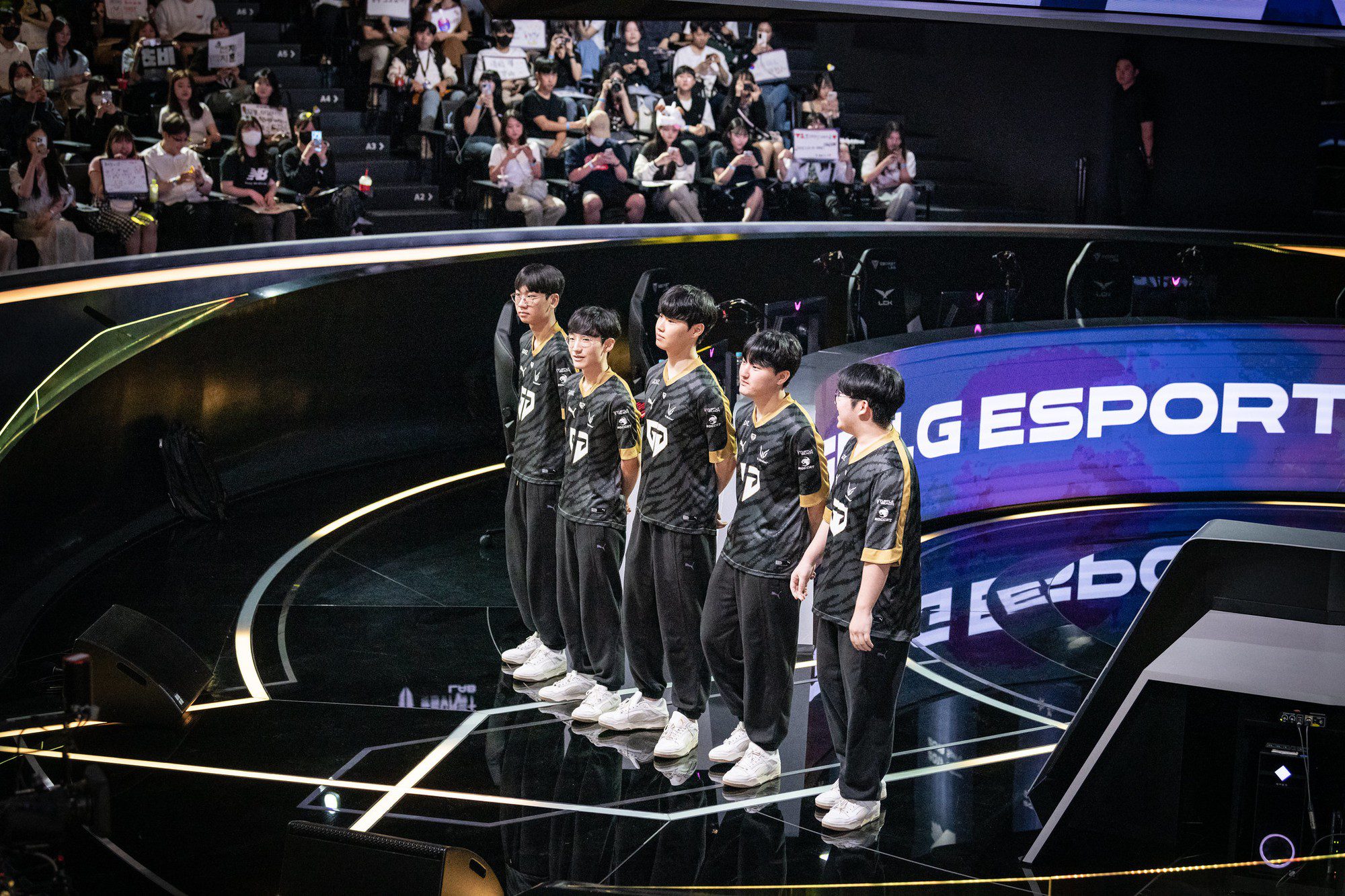
On the other hand, Gen.G has been continuously active in the transfer market in recent years, peaking during the end-of-season transfer window of 2021. At that time, Gen.G unveiled what was considered the “Galaxy” roster of LCK by adding 4 out of 5 positions filled with superstars (Doran, Peanut, Chovy, and Lehends). Naturally, this combination did not yield immediate success; it wasn’t until Summer 2022 that Gen.G began to reap the rewards. After Ruler left, Gen.G promoted Peyz from the youth team and continued to achieve domestic glory in 2023.
Which team has built a better roster?
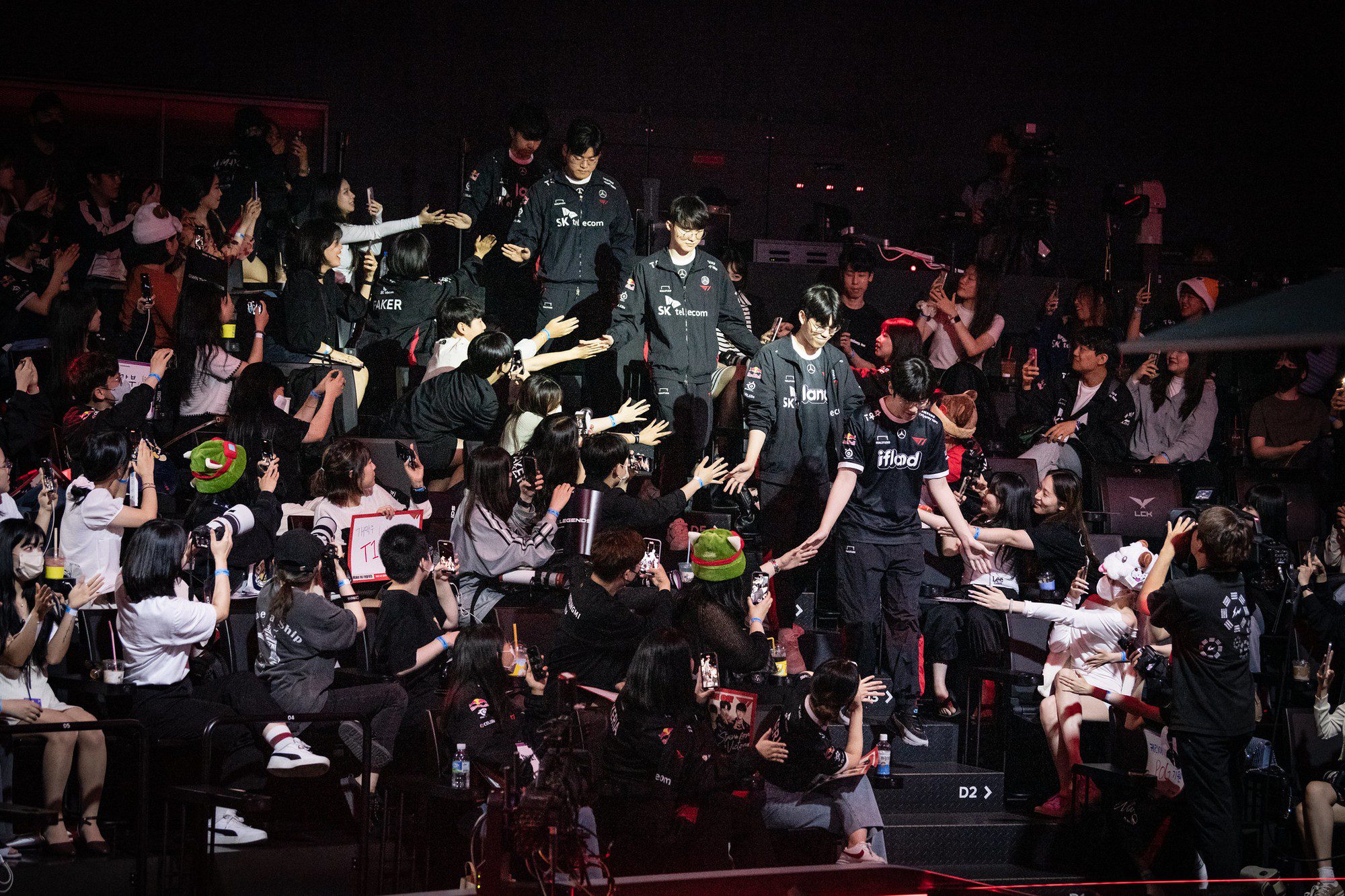
Promoting players from the youth academy helps teams avoid significant transfer fees and creates opportunities for young talents to showcase their skills and build a legacy. However, T1 currently seems to be struggling with their young stars, who continuously display a lack of experience in crucial matches and show a degree of dependence on Faker, even Keria – the most seasoned LCK player among T1’s four young talents.
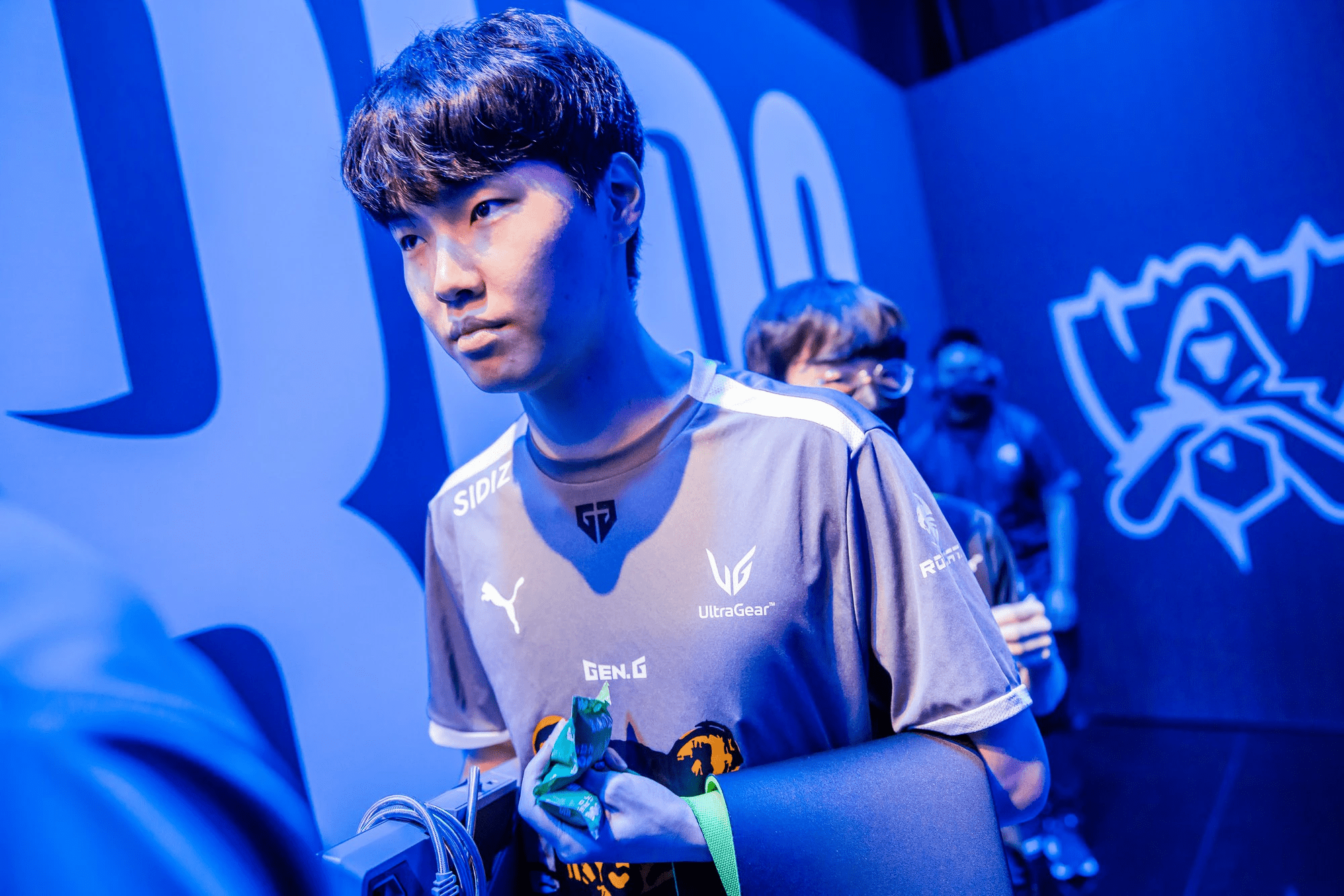
Meanwhile, after their first rocky season, Gen.G has increasingly improved their gameplay and synergy among players. However, Gen.G’s weakness still lies in the “smart at home, foolish abroad” mentality whenever they step onto the international stage. Notably, the opponents that have thwarted Gen.G’s chances for international titles are precisely the teams they have dominated in the LCK (DRX and T1). The same players who once ruled the LCK find themselves at a disadvantage against familiar rivals. Especially, it is often thought that Gen.G is not dependent on any player. In reality, Gen.G has yet to find a true leader like Faker – someone who can elevate the entire team to play as champions simply by their presence.
Conclusion
It is difficult to determine which roster building strategy is superior between Gen.G and T1. Both teams have experienced certain ups and downs and have shown strengths and weaknesses in their rosters. Of course, titles are also a testament to a roster’s success. Currently in the LCK, Gen.G shows a strong dominance. Meanwhile, T1’s young players are nearing the end of their contracts, and their decisions, as well as those of the management team, will significantly impact T1’s future and the landscape of the LCK in the upcoming seasons.