

In addition to the information about the version to be used at the ASIAD Hangzhou, the League of Legends (LoL) community in Asia is buzzing about the format that will be applied at the group stage of the LoL event. Accordingly, the teams will be divided into 4 groups, playing a single round-robin BO1 format, and the team that finishes first in each group will advance. This format is quite similar to the group stage of the World Championship. The only difference is that, at Riot’s highest-level tournament, each team will play two rounds, home and away.
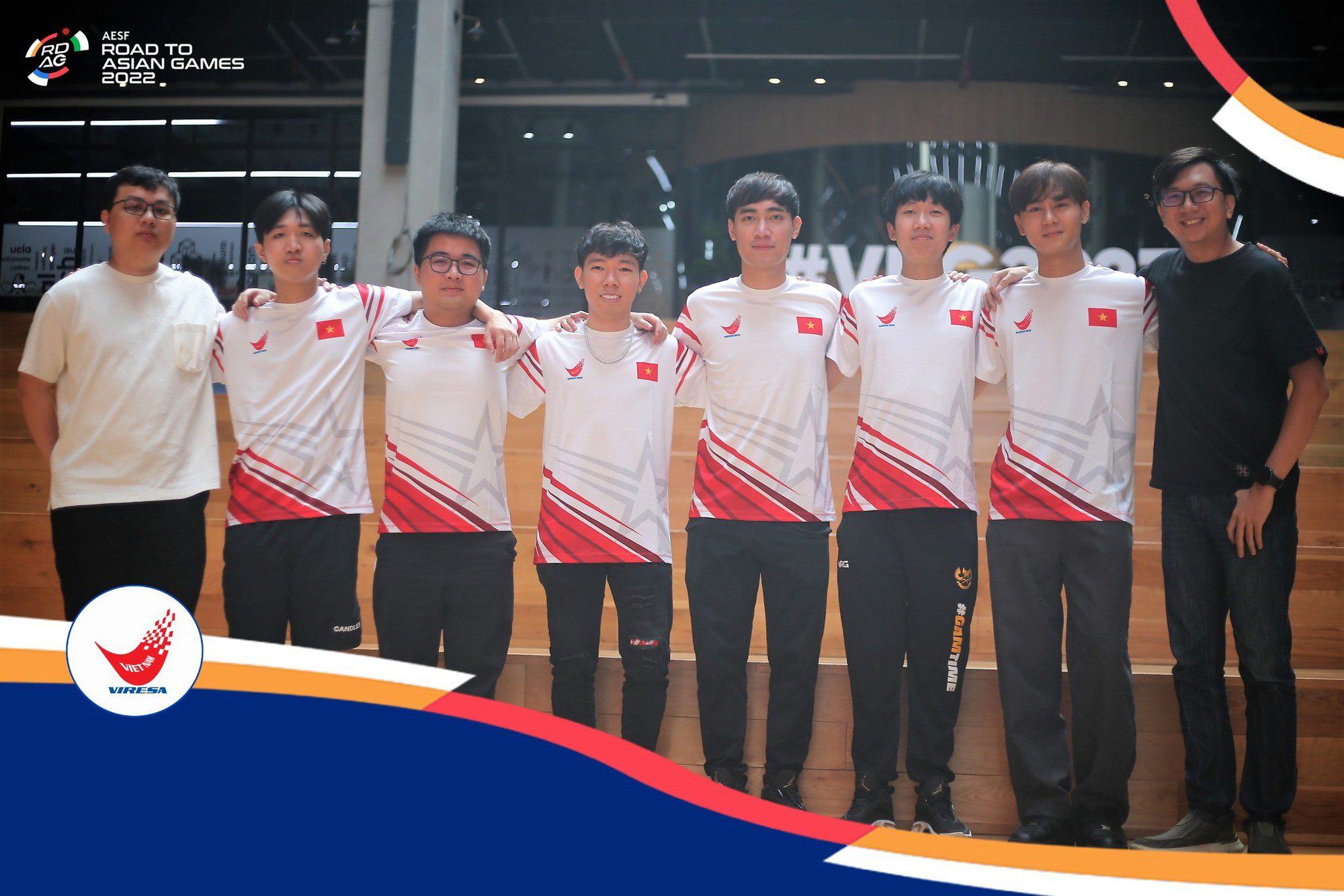
However, apart from the group stage format only including a single round-robin BO1 match and just one game, the fact that some teams were surprisingly allowed to advance directly to the next round left many people astonished. These teams had achieved good results at the Road to the 2022 Asian Games held in Macau earlier this year. During that tournament, Vietnam could not participate due to paperwork issues. Meanwhile, another notable team, South Korea, had not even announced their roster at that time.
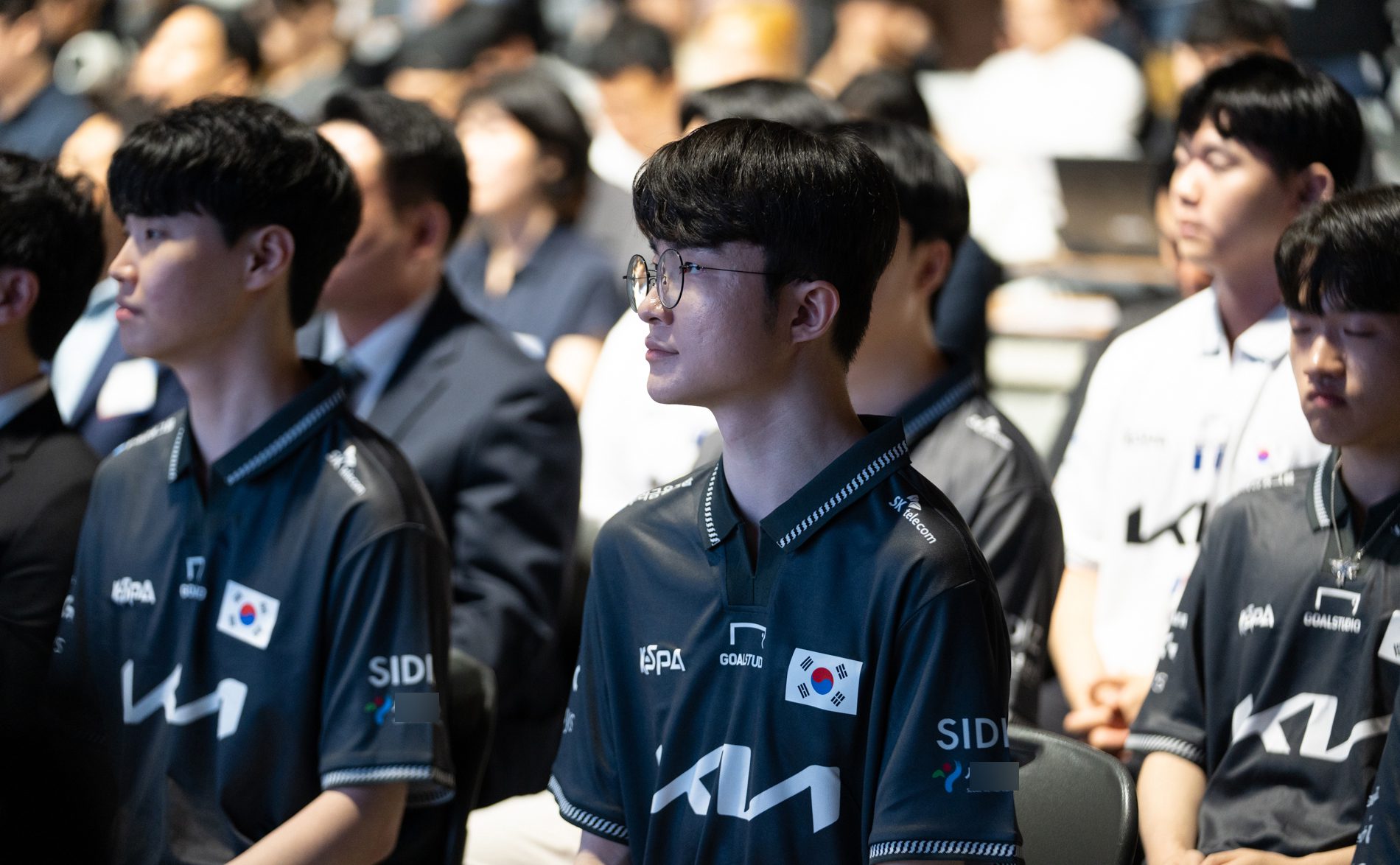
This raised many suspicions that South Korea might be overly confident in their team’s abilities. Not to mention, the domestic league was also ongoing, and many believed that even sending any team to represent at the Road to the Asian Games would be excessive and disrupt their schedule. However, recently, according to a representative from Chinese Taipei, the reason South Korea didn’t participate in the Road to the Asian Games was significantly influenced by the ASIAD organizers themselves.
Accordingly, the teams were not accurately informed about the significance of the Road to the 2022 Asian Games beforehand. Therefore, South Korea and many other regions thought that the tournament was merely for seeding purposes. No one was aware that teams that won at the tournament would receive a direct spot while the remaining teams would have to compete in the group stage. “It wasn’t until September 5 that they learned that 4 seeded teams would go straight to the top 8 of ASIAD,” said the representative from Chinese Taipei.
It can be said that the lack of clear communication regarding the significance of the Road to the Asian Games has caused difficulties for many teams. In this regard, it is clearly a misstep on the part of the ASIAD organizers, which has also led to many teams’ calculations being misaligned with their original intentions.