

A Special World Championship for the LPL
In the past, the LPL has always been famous for its large number of imports, mostly players from the LCK. In fact, for many years now, the LPL has been seen as a haven for LCK players who couldn’t find their place in the Korean League of Legends scene. Unquestionable skill, combined with discipline, are traits that the Chinese League of Legends scene previously lacked. Notably, in the past, all LPL teams that crowned themselves at the World Championship had at least 2 Korean players contributing to their lineup. There was even a time when Royal Never Give Up was nicknamed the “Royal Legion” because they were the only top team in the LPL that did not use any imports.
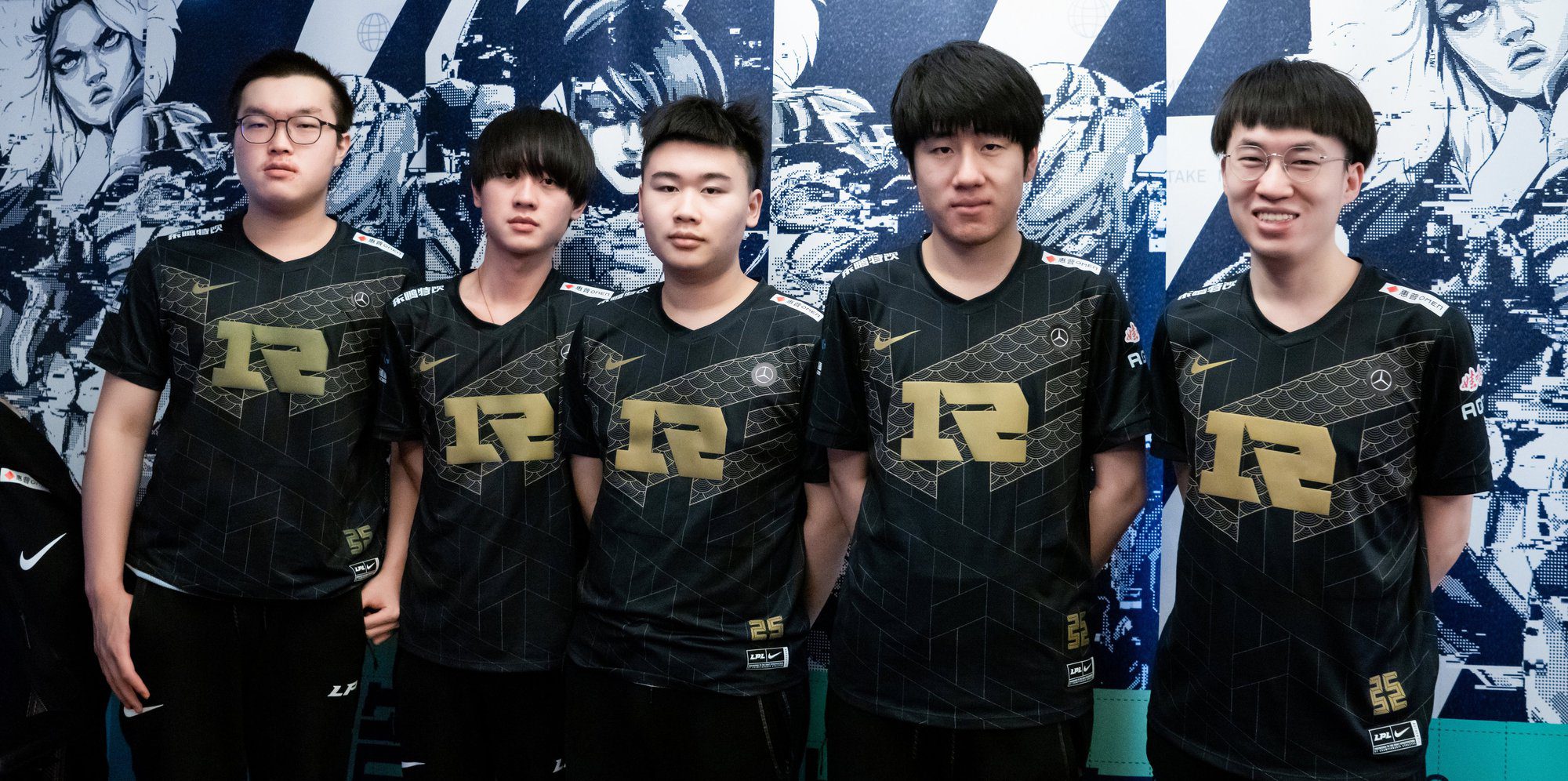
However, at the 2024 World Championship, the LPL will experience a remarkable change. Specifically, among the 4 teams from China participating in this year’s Worlds, only Tarzan (Weibo Gaming) and Scout (LNG Esports) are from Korea. The rest, Top Esports and Bilibili Gaming, are using 100% domestic players. This is a positive sign indicating that the LPL is now producing its own talents. But it also raises an alarming signal for the LCK.
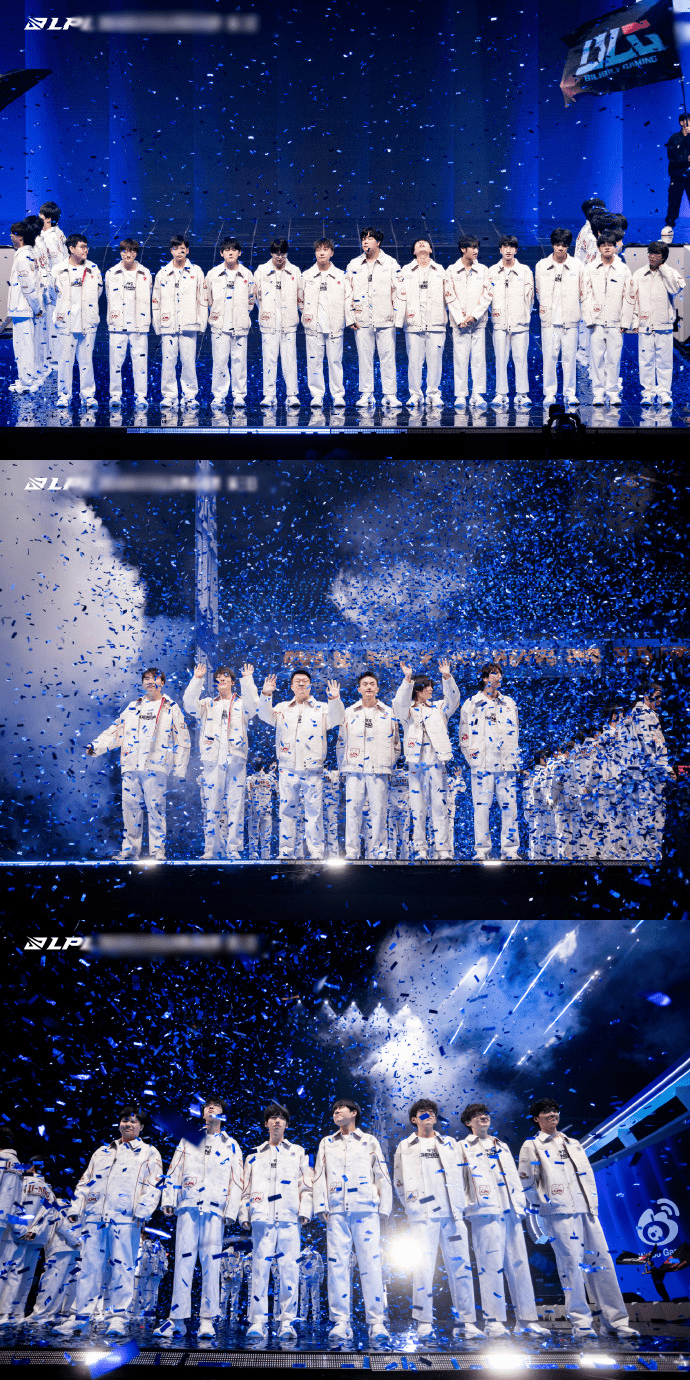
Good News for LPL is Bad News for LCK
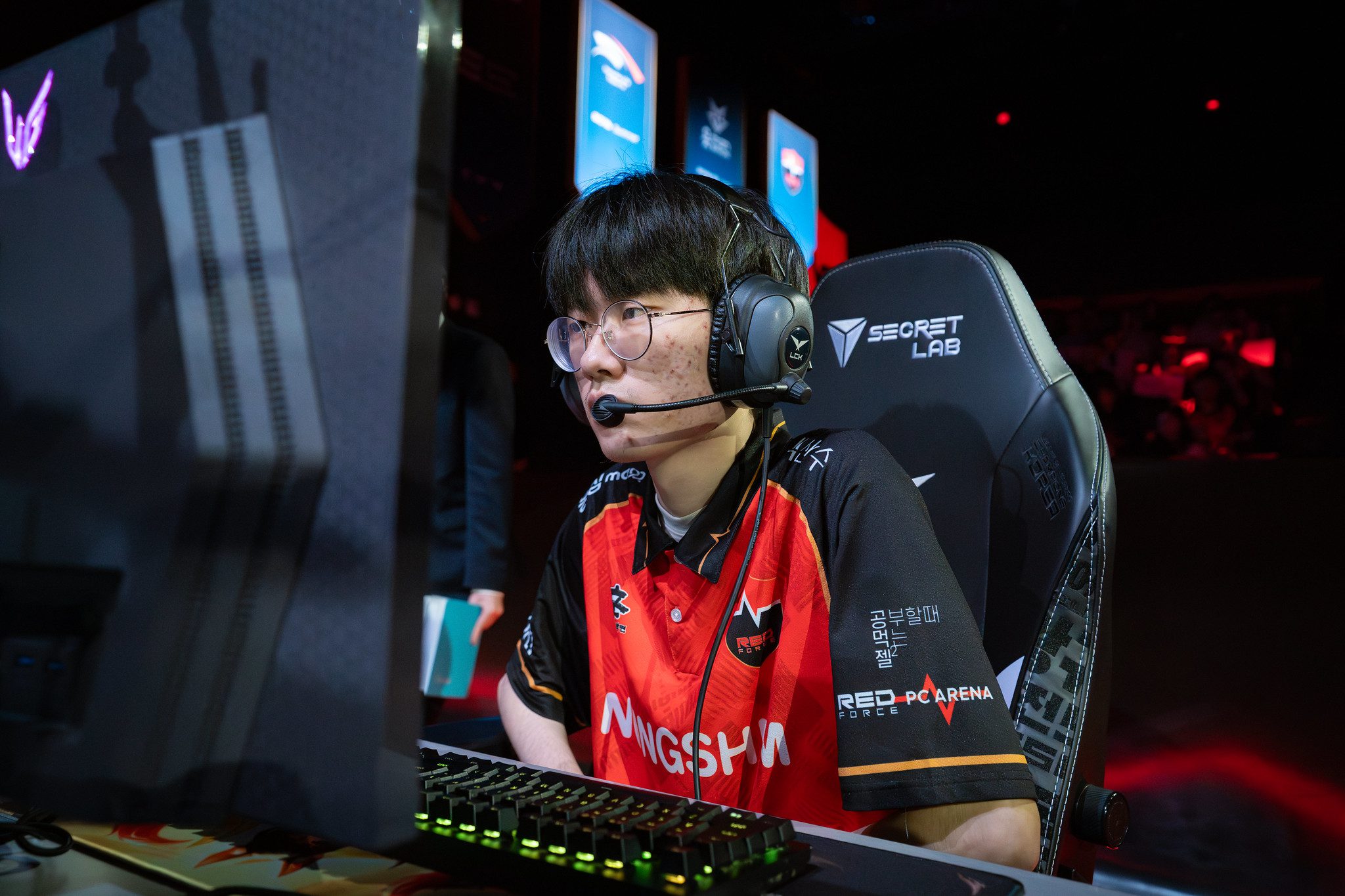
But as the LPL begins to utilize more domestic players, it also means that the LCK is facing a talent shortage to the point where there are no players going abroad. Right at the LPL, the Korean imports they currently possess, if not taking a break (TheShy, Doinb), are struggling to find a place in top teams (Rookie). Even Fisher had to return home to seek a competitive opportunity.
Moreover, this also indicates that the LCK is currently severely lacking in young talent. In recent years, the number of players promoted from Challenger teams has not been impressive. The only notable ones are the 2002 class from T1 or Peyz from Gen.G. The rest remain at an acceptable but not remarkable level, like the players from Kwangdong Freecs.
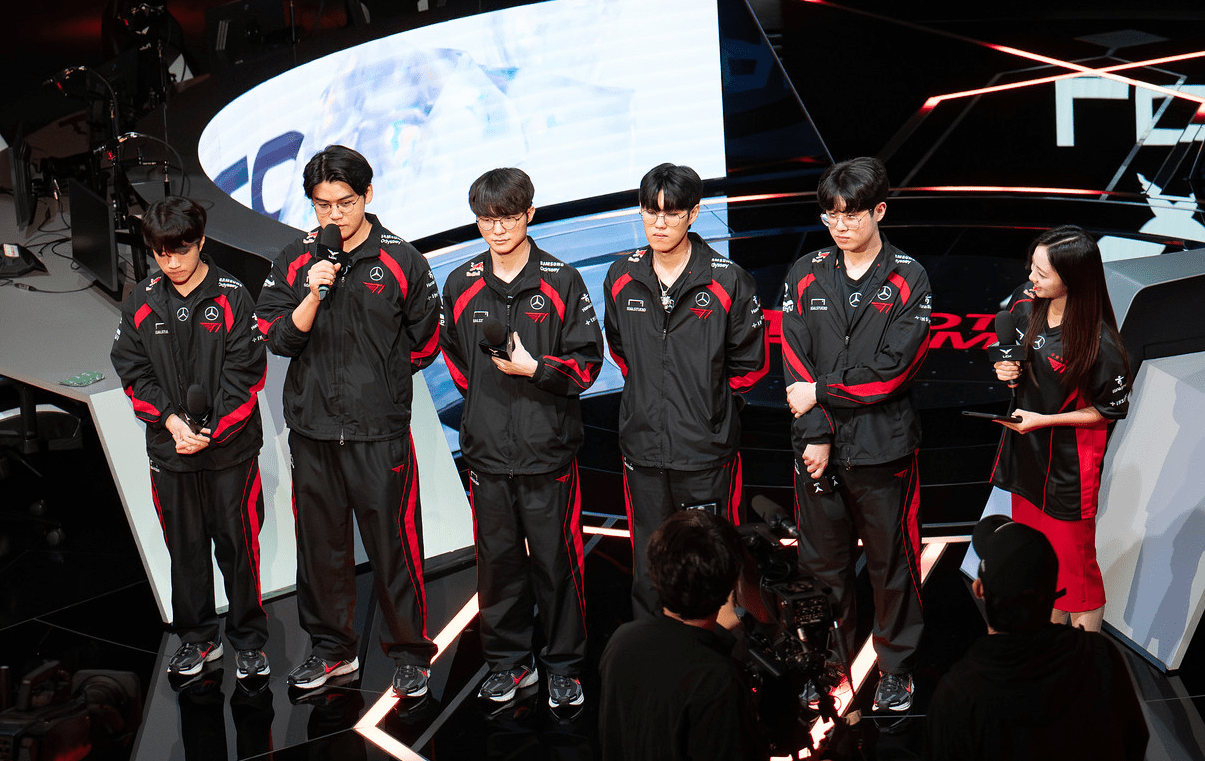
This is a genuinely alarming situation for the LCK when, in the not-so-distant future, their veterans will have to leave, and the mid-tier players will also age. Without a suitable successor generation, the LCK may face significant challenges, directly impacting their performance on the international stage.