The essence of League of Legends is that it is an extremely competitive game, where players face off against each other, ready to insult teammates when they are dissatisfied or when the game doesn’t go their way. Therefore, the prevalence of toxicity and a chat filled with insults has gradually become a part of League of Legends, even going on for years while we turn a blind eye.
If everything stopped at keyboard smashing and a few insults, it wouldn’t be that serious. However, recently, the situation of intentional game disruption has been increasing. It has become so severe that even in high ranks like Challenger, this issue is prevalent, while that rank is supposed to be where the best players of a server compete at their best.
Even the very friendly and cheerful streamer Voyboy has had to speak out about the widespread game disruption, so we can understand how bad it is. You can read about Voyboy’s statements on the state of solo queue HERE.
The cause of this situation is well known; there are too many League of Legends players, leading to a large number of players with poor gaming etiquette. However, Riot Games does not have any sufficiently strong punitive measures. For many, the reporting system from Riot Games seems just for show and holds no real meaning; sometimes it works, but the frequency is as low as the number of times Yasuo on your team carries the team.
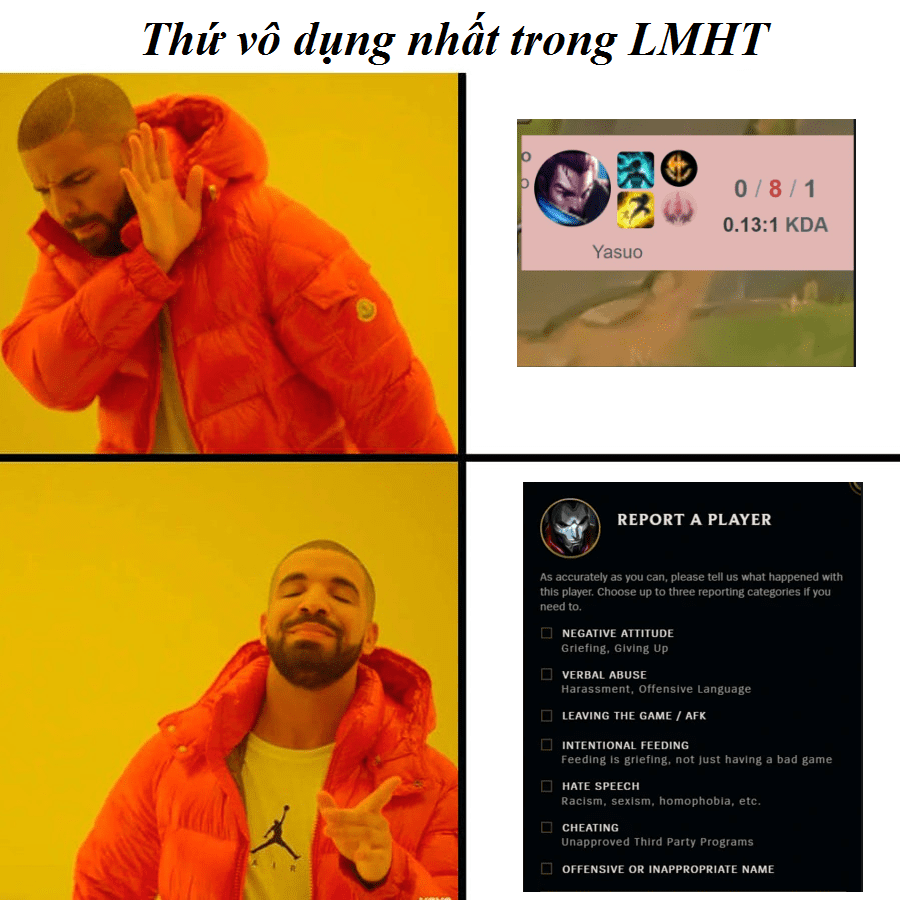
With the almost non-functional reporting system, those players with poor etiquette have nothing to fear and continue to ruin the gaming experience for others. This leads to the need for Riot Games to implement harsher punishments for such cases. What could be better than having toxic players endure the toxicity of others?
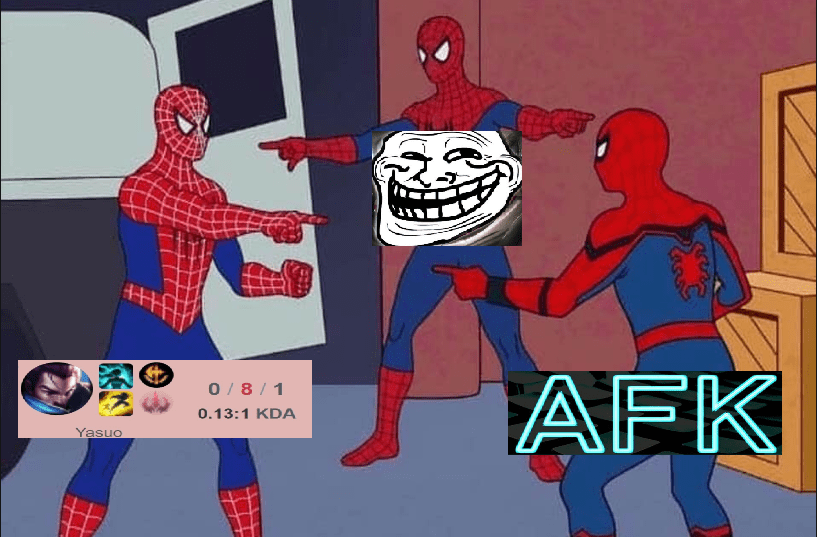
Riot Games may not have accepted this a few years ago when they believed that “gamers would change,” but the toxic situation in League of Legends has been ongoing for a long time now, not just recently. Riot has been softly punishing for years, and nothing has changed. League of Legends continues to be filled with game disruptors year after year, and the demand for a more severe punishment system and a separate queue for players with poor etiquette, as mentioned above, is an excellent solution.
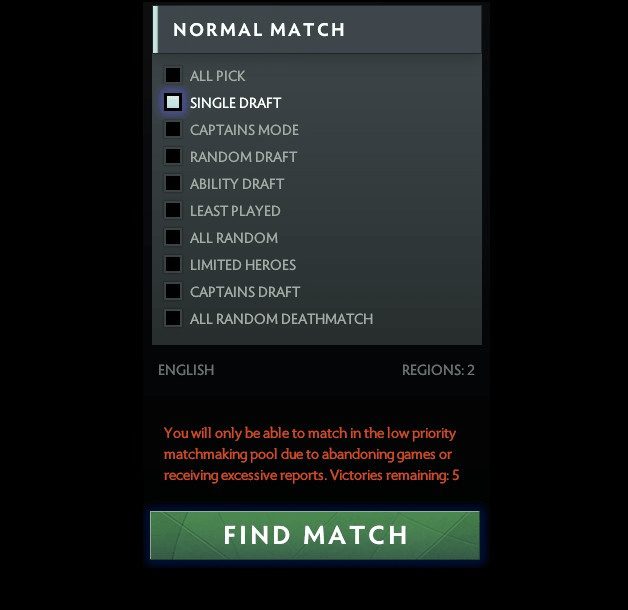
Take DOTA2 as an example, a game with similar characteristics and a community that is just as toxic, yet the matches are significantly less disruptive compared to League of Legends. The reason is that they have a queue called Low Priority, where players with poor etiquette, who have been reported multiple times or who frequently leave games, play among themselves. If they want to escape that “hell,” they must win, meaning they have to try their best and reduce their toxicity to return to the normal queue.
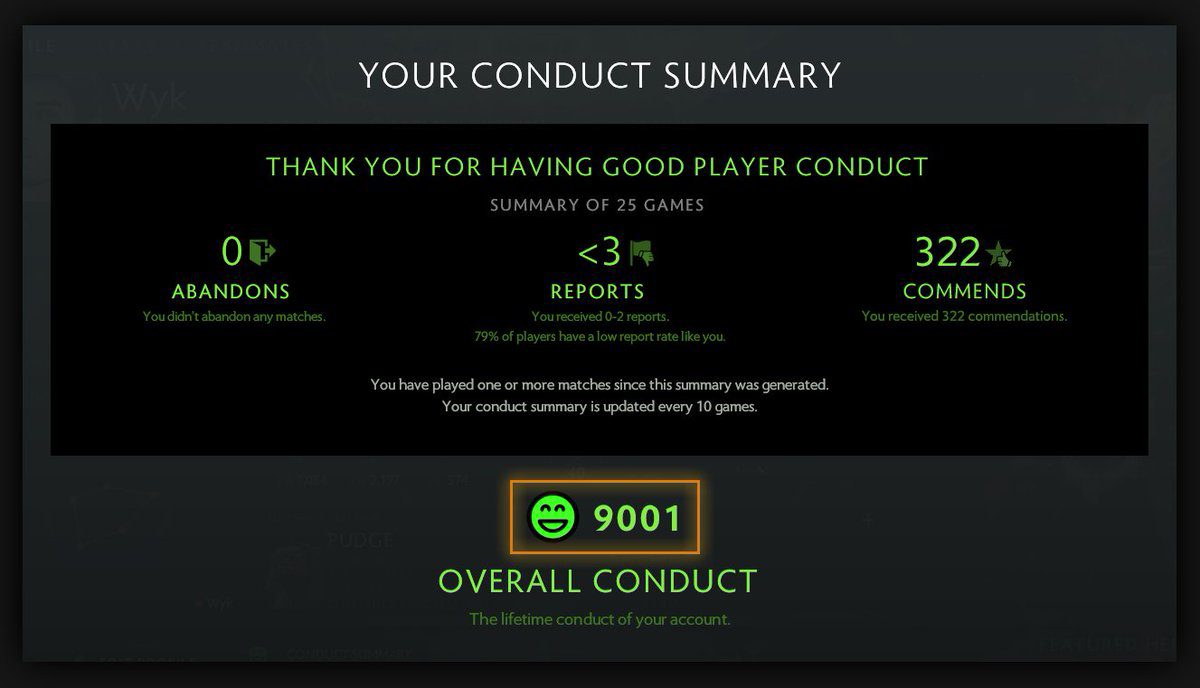
Moreover, DOTA2 has another metric to assess player behavior called the Behavior Score, which is like a small achievement system. If you play well and get recognized by teammates, this score increases; conversely, if you’re toxic and reported frequently, the score decreases. Because of this strict punishment system and clear player evaluation metric, DOTA2 experiences significantly less game disruption, something Riot Games could certainly learn from.
Ultimately, whether to implement such a system in League of Legends is up to Riot Games. Regardless of the approach, League of Legends desperately needs a stricter punishment system that is sufficiently deterrent to make game disruptors “think twice before acting.” While waiting for Riot to take action is one part, players should also cultivate patience with their teammates; if everyone holds back one insult, the atmosphere in the team will be much more pleasant, instead of suffering from unfortunate defeats due to pointless arguments.