

As of now, VALORANT has officially launched globally for about half a month, and the game is running incredibly smoothly. There are few bugs, and if any arise, Riot Games quickly addresses them, giving players a great sense of security. Some minor graphics issues still appear a bit “crocodile-like,” but this can be easily improved.
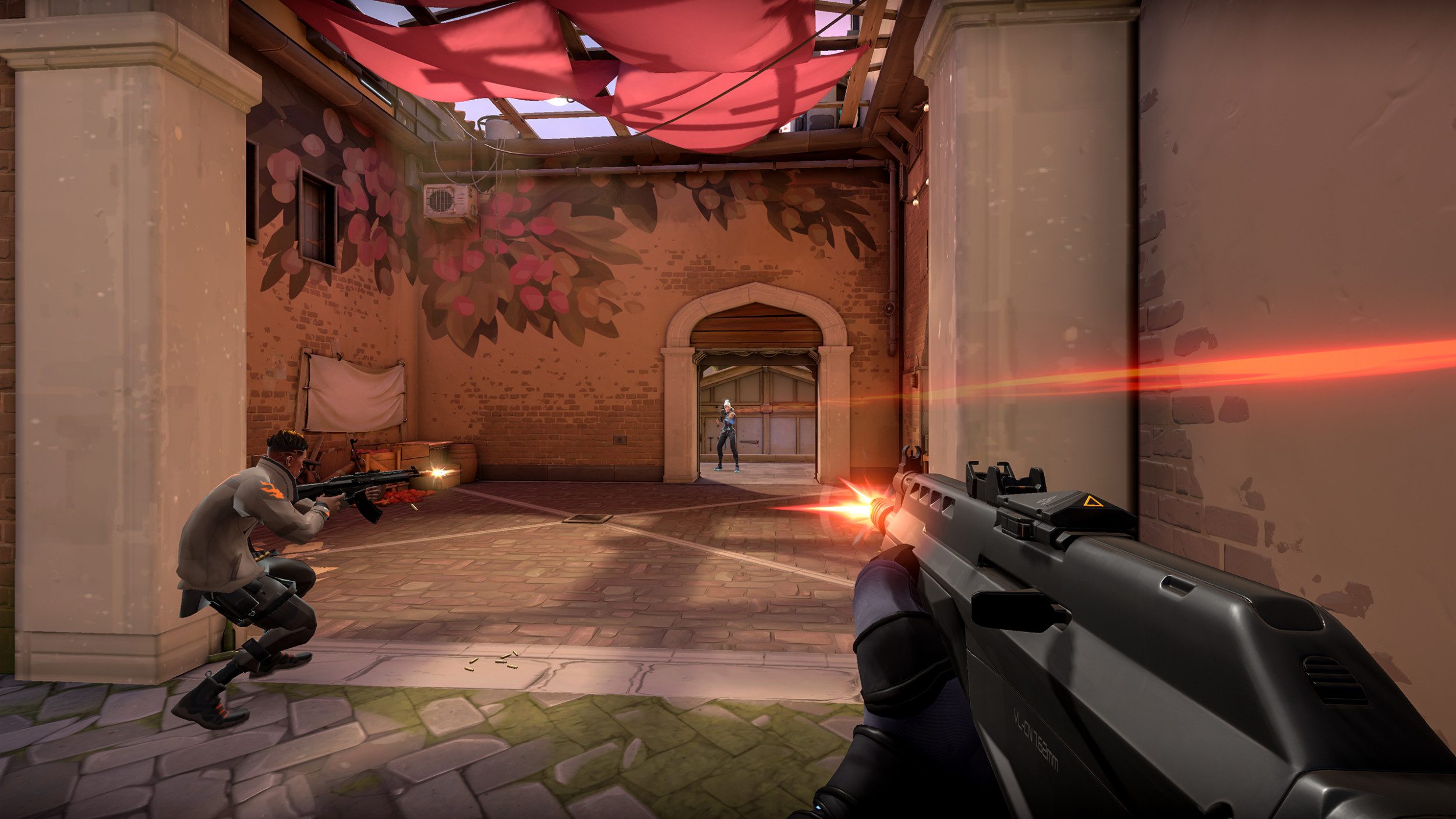
However, game bugs are just a small part of the issues faced by FPS games in general and VALORANT in particular. The way to combat cheating, which is bound to happen, is what players are most concerned about. Riot understands this and has created its own anti-cheat system called Vanguard, which detected nearly 9,000 cheaters even during the beta phase of the game.
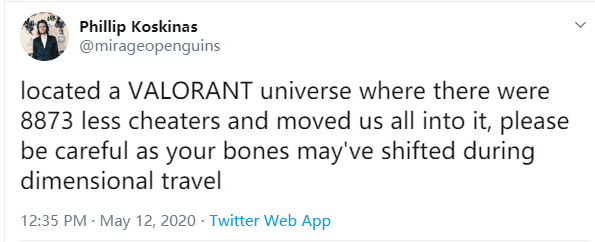
Another step that shows Riot’s seriousness in combating hacks is the application of the harshest penalties for cheating, including Computer IP Bans and Hard Drive Bans. This ensures that once a cheater is detected, they will never be able to step foot in VALORANT again, unless they buy a new computer or move.
Those who are “worried sick” about this information are undoubtedly the owners of internet cafes and Cyber Games, as their businesses, worth hundreds of millions to billions, will be affected if a customer foolishly uses hacks in VALORANT, rendering the whole café unable to play this game. Therefore, some Cyber Games have taken a firm stance, directly hitting the customer’s wallet to prevent cheating from the outset.
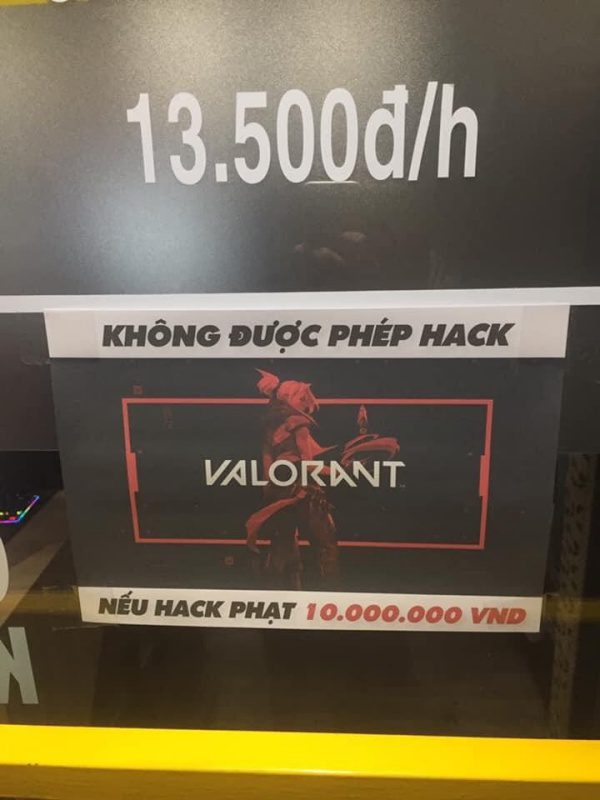
Remember that VALORANT is a sibling of League of Legends; the potential for this game to generate enormous revenue is undeniable. The prospect of losing business opportunities because of a few customers is something that internet café and Cyber Games owners do not want at all. Their caution is entirely justified, even before this game has officially launched in Vietnam.