

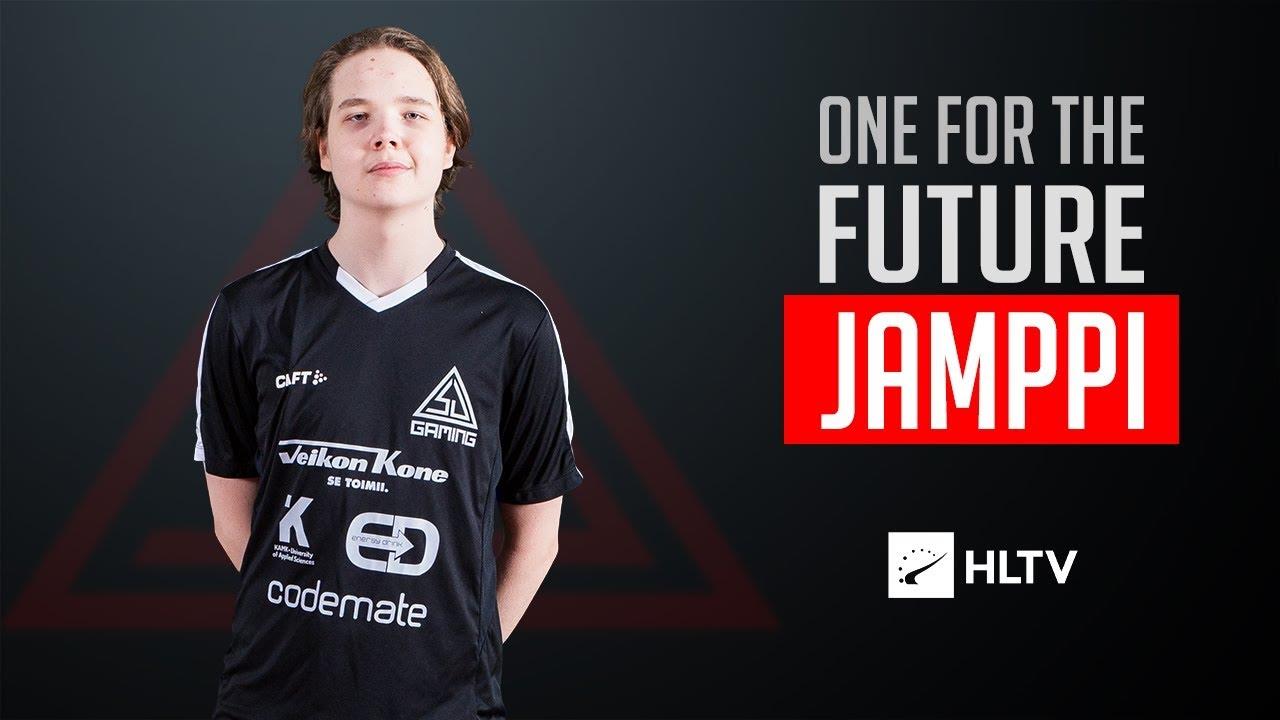
Last night, ENCE unexpectedly announced an expansion of their roster to 6 members, with their newest addition being Jamppi, one of the most notable young talents in CS:GO from Finland in recent times. This 18-year-old player became well-known after he filed a lawsuit against Valve in an attempt to lift his ban from participating in the Major and Valve-sponsored tournaments after being found to be associated with a VAC banned account. He will replace xseveN in upcoming tournaments, except for ESL One: Road to Major due to the aforementioned ban.
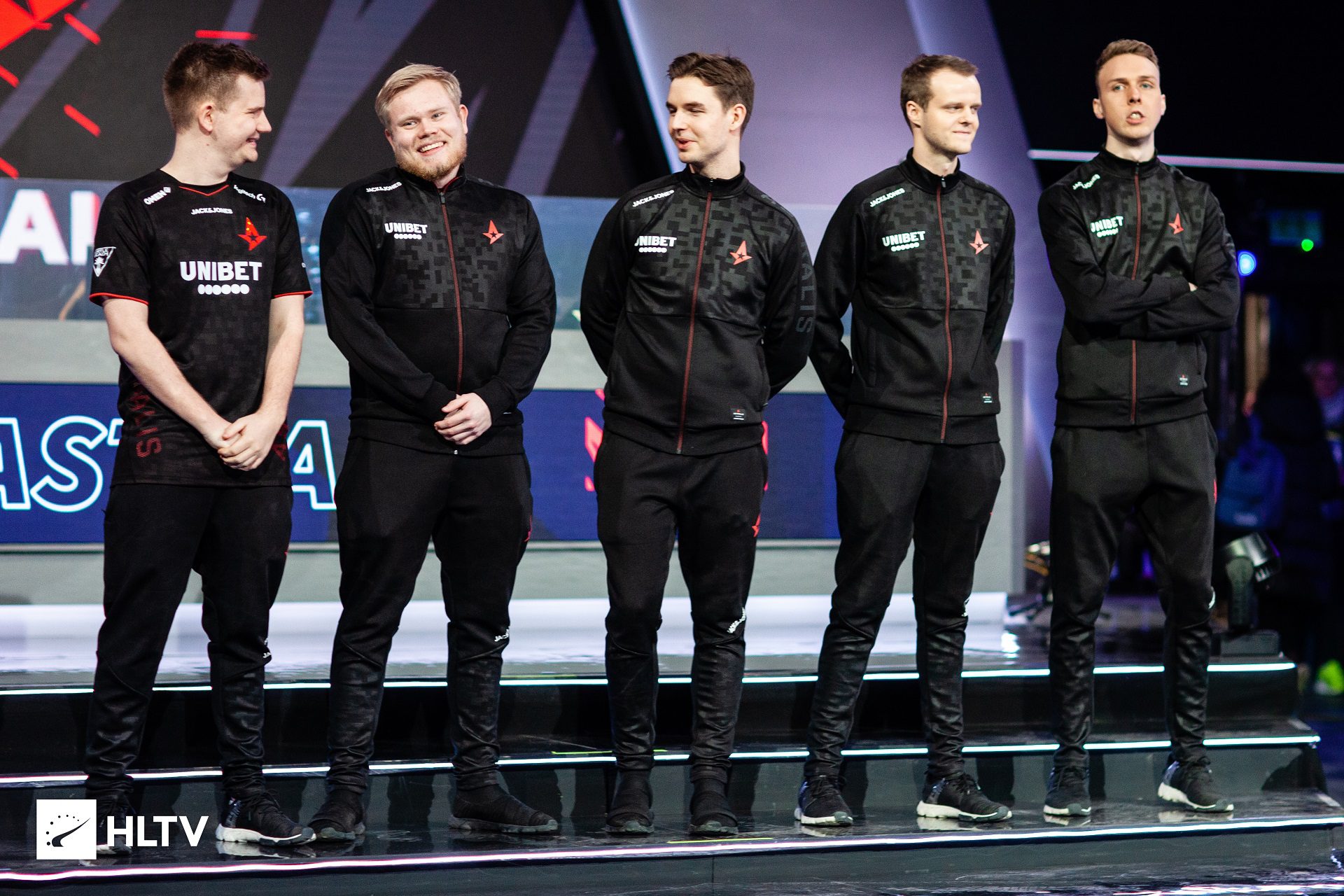
Earlier this month, Astralis, one of the world’s leading organizations, also announced they would increase their team size to 6 members with the addition of es3tag starting July 1, after his contract with Heroic expires. This deal has garnered significant media attention as Erik Askered, CEO of Heroic, declared on Twitter that they would take legal action, alleging that Astralis acted disrespectfully and caused FunPlus Phoenix to retract their decision to acquire Heroic’s roster.
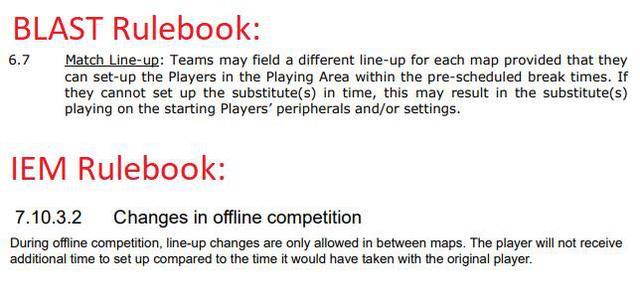
Putting aside the above drama, a team model with 6 members is unprecedented in CS:GO, as teams typically have only 5 official members, with sometimes a few unofficial members sitting on the bench or inactive. Astralis’s successful recruitment of es3tag and the announcement of a 6-member roster has sparked much debate and skepticism regarding the potential success of this new model. In theory, such a lineup is entirely feasible, as the rules of tournament organizers like BLAST or ESL clearly state that teams are allowed to have additional reserve members and can change players not only between matches but also between maps.
However, whether intentional or not, in the latest announcement regarding the scoring system for the Major ESL One Rio this November, Valve surprisingly introduced new rules concerning roster changes before and during their sponsored tournaments. Specifically, Valve stated that if a team replaces players (up to a maximum of 2 members; if more, the points will be reset) BEFORE participating in a tournament, they will incur a 20% deduction in RMR points for each member replaced. If a team allows a coach to play officially DURING a tournament, they will also lose 20% of the points earned for each change.
Of course, these regulations apply only to tournaments within the RMR system, while third-party organizers like BLAST, ESL, or Flashpoint have yet to announce any changes (if any) to their rules, but this will certainly cause tournament organizers and teams to reconsider their decisions.
In the world of esports, it is not uncommon for games to have teams with more than 5 members, such as League of Legends or Arena of Valor… Having more members allows teams to avoid situations where players have to play too much, leading to a decline in performance, and provides backup plans when unexpected incidents occur (similar to Astralis’s situation when dev1ce had health issues at a LAN event in the past). Furthermore, it allows teams to expand their strategies and makes them more unpredictable and harder to read during the map ban and pick phase as well as during matches.
However, there are also drawbacks; the more members a team has, the higher operational costs and salary budgets will rise, and reserve players may struggle to maintain consistent performance without regular, continuous play. Not only that, we all know that CS:GO is a team game, and in the professional arena, the ability to synergize smoothly with teammates is crucial; thus, just one weak link or a player feeling out of sync can completely disrupt the entire machine and hinder its effectiveness.
However, we all know that Astralis is a team renowned for their scientific and rational approach; the operation and functioning of the Danes have become a model for other teams to study and learn from. Will this move by Astralis and ENCE represent a groundbreaking change and open a new path for professional CS:GO? Only time will tell.