

At 03:00 AM on April 24, 2020, Vietnam time, MiBR – the famous Brazilian CS:GO team will face Yeah Gaming in the ESL One: Road to Rio South America tournament – one of the key tournaments for teams to accumulate RMR points to qualify for the only Major of 2020 – ESL One Rio. This would have just been a regular match, if… we overlook the fact that 2 members of MiBR, TACO and dead (coach), are confirmed co-owners of Yeah Gaming. This has raised concerns in the CS community about the transparency of the upcoming match, as anything can happen when a ‘parent’ team meets their ‘child’.
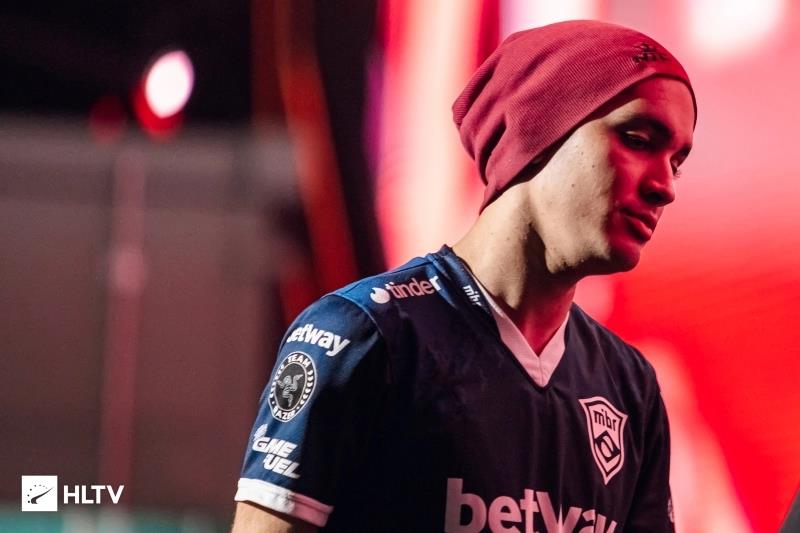
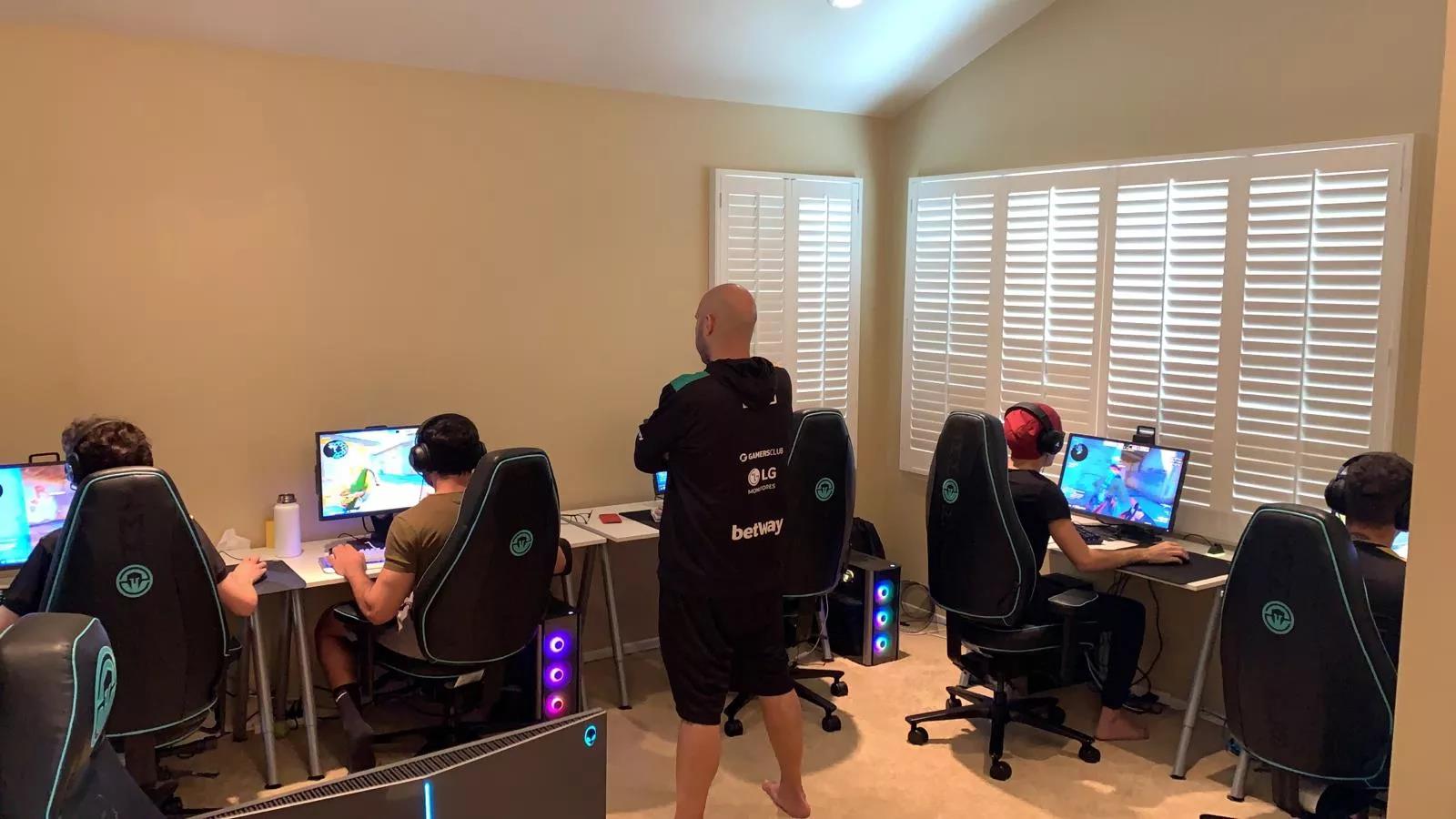
Yeah Gaming was established with the goal of nurturing and developing young talents in Brazilian CS, quite similar to Games Academy in the past. Besides TACO and dead, zews (who was once the coach for MiBR and now is the coach of EG), Coldzera (FaZe) is also a co-owner of Yeah, and FalleN (MiBR) was also involved in this project in the past. The current roster of Yeah is built by gathering some former members of Sharks, paiN, Imperial, and they are focusing on competing in Los Angeles – the same city as MiBR’s gaming house.
Sources from HLTV confirm that MiBR and Yeah have financial ties to each other. To receive an annual payment, Yeah must also comply with a clause allowing MiBR’s parent company to buy up to 2 players at any time during the year. Regarding this issue, a representative from Valve stated: “The only requirement for teams to participate in ESL One: Road to Rio is that they must publicly disclose any conflict of interest (if any) for the community to know and discuss them.” Therefore, both MiBR and Yeah are allowed to participate in the tournament even though Valve previously announced: “To compete at the Major, we require all players, teams, and tournament organizers to confirm that they have no conflicts of interest, or if there are any, they must disclose and have measures to address them.”
Despite receiving mixed reactions from the community, the match between MiBR and Yeah will proceed as normal. This also means that Valve has changed its perspective on conflicts of interest, financial relationships… among teams, and we may very well witness the return of ‘little brother’ teams of major organizations, or a single owner owning multiple teams competing in the same tournament. And of course, once these teams meet, no one knows whether they will give their all, or if there will be any ulterior motives serving a common goal.