

In a few recent broadcasts, Faker has made fans feel much more at ease by calmly and comfortably discussing his defeats. It seems that Faker is no longer shocked or deeply immersed in those failures to the point of self-harm; the defeats are just the past and serve as motivation for the current glory.
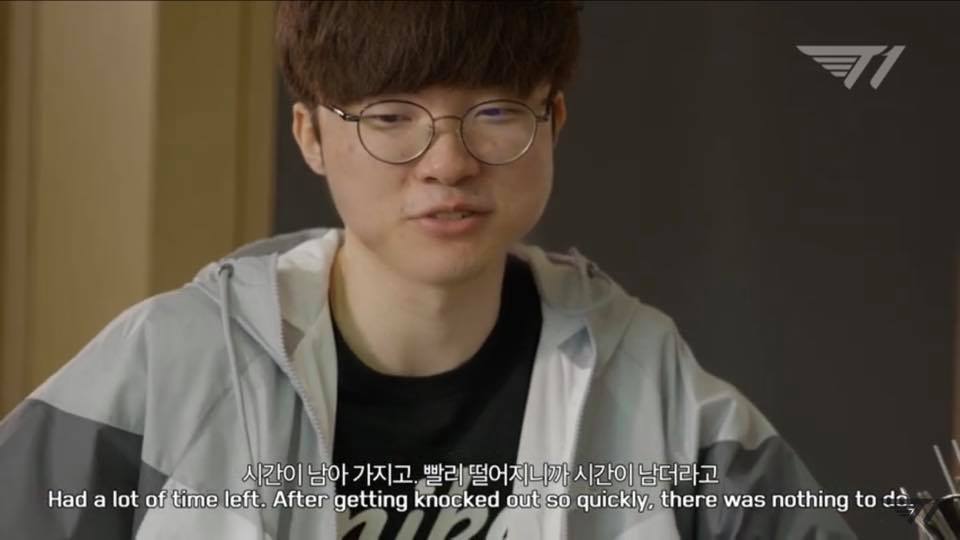
– In 2018, I played Maple Story all the time. I had too much free time, got eliminated early, and just stayed home playing games since I didn’t know what else to do =)).
– I also got to go to the World Championship, just didn’t win.
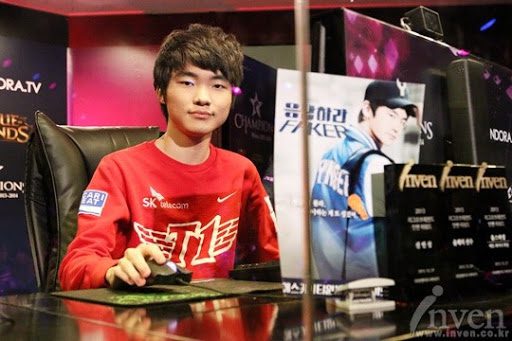
Remember back in 2013, Faker crowned World Champion when he was only 17 years old. At that time, Faker had everything any professional gamer could dream of: teammates, glory, fans, joy, and confidence. Perhaps when reminiscing about those days, all SKT fans in general and Faker fans in particular can smile with satisfaction.
However, a year later, Faker lost almost everything: the championship, the top position, and his former teammates were no longer by his side. Faker decided to stay in Korea and start over.
Once one door closes, another opens, and it was up to Faker to welcome new things, ready to adapt to reclaim what was lost. He had new teammates, new victories, and some bitter defeats with champions he once remained undefeated against, yet could not conquer the Demon King.
Both victories and defeats have made Faker stronger, more determined, and steadfast with his teammates on the path to becoming one of the strongest teams in history.
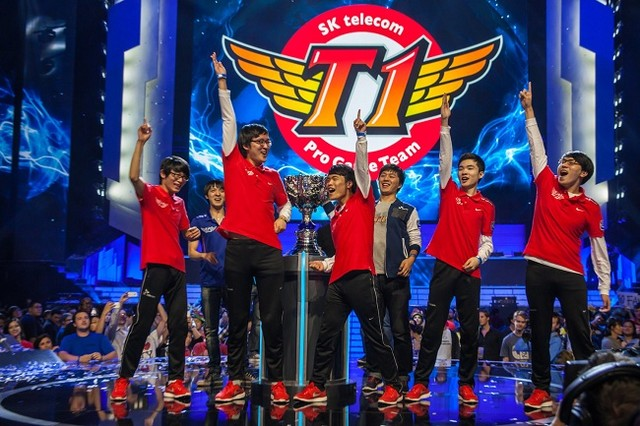
In 2016, the line-up changed. Faker still became champion, still made a comeback even though there were times he doubted if he could return to being the best. “No one can stand above me.”
The year 2017 was a memorable year for SKT, Faker, and the fans. At that time, both public opinion and netizens pointed in the same direction, as if once you were the best team, you had no right to fail. The tears shed that year and in 2018 brought Faker to a low point where it seemed he could not recover.
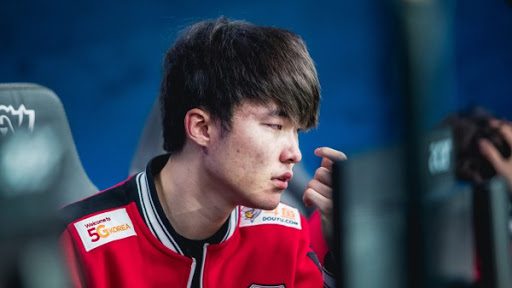
The year 2019 is considered a pivotal year for Faker and his team to undergo changes, both in line-up and mindset. That year they still faced defeat, but with a stronger mindset, ready to fail to understand what they needed to do to win.
Over time, Faker is no longer the young boy of 17 years old. Learning from defeats and injuries, Faker has gradually become a brother, a friend, and a pillar for his current teammates. Those like Faker back then will also rise again after bitter defeats, once again holding hands to ascend to glory – whether it’s the first, second, or third time. Faker still plays well, unwavering in top-tier international tournaments, yet the skill gap among the top regions is no longer as stark. Koreans are still skilled, but their international rivals have become much more formidable.
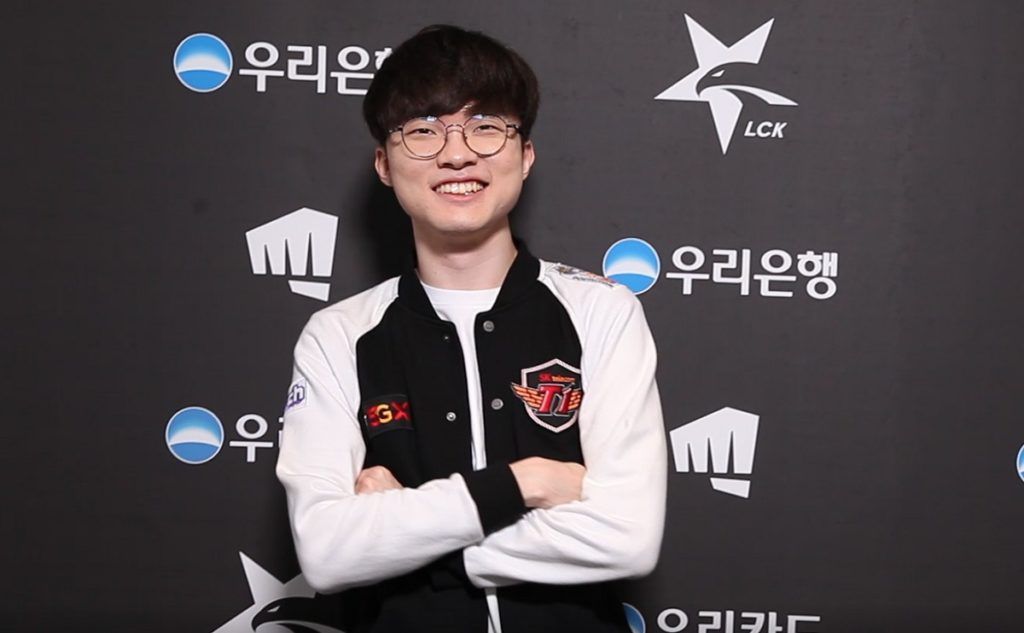
The tears of disappointment and regret from years past have now become history; now we only see a stronger, braver, and more resilient Demon King.
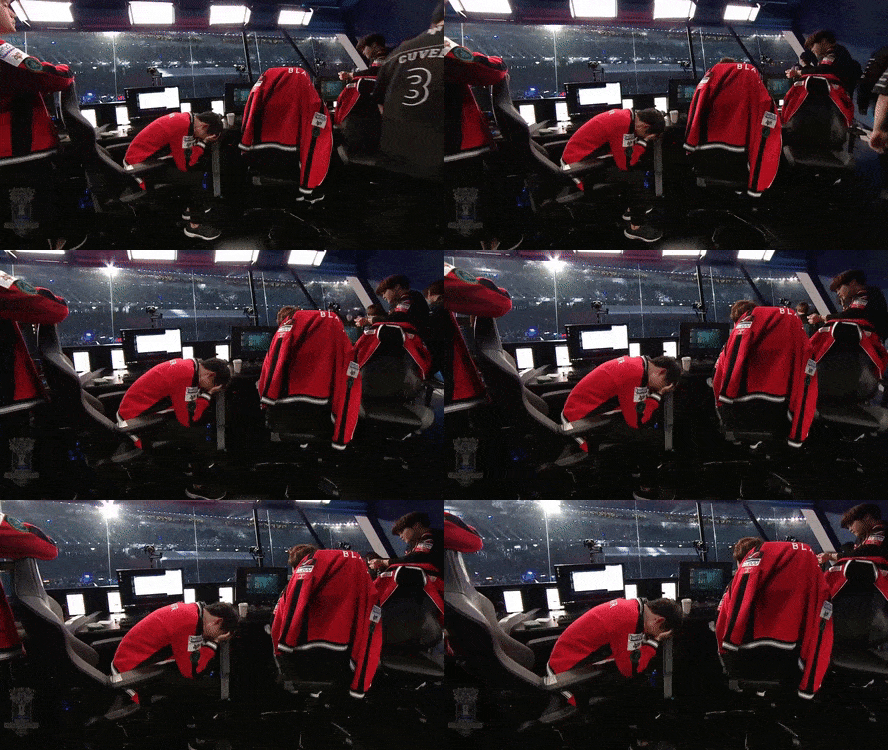
Many believe that the disastrous defeats during that dark time – to the extent that it seemed the SKT dynasty had collapsed – were actually the golden key for Faker and his teammates to shatter the ‘pressure prison’ created by the spotlight. An SKT that wins will also lose; there are rises to the peak of glory and falls to the depths of defeat, thus people no longer place the pressure of ‘must win’ on the shoulders of these little giants.