

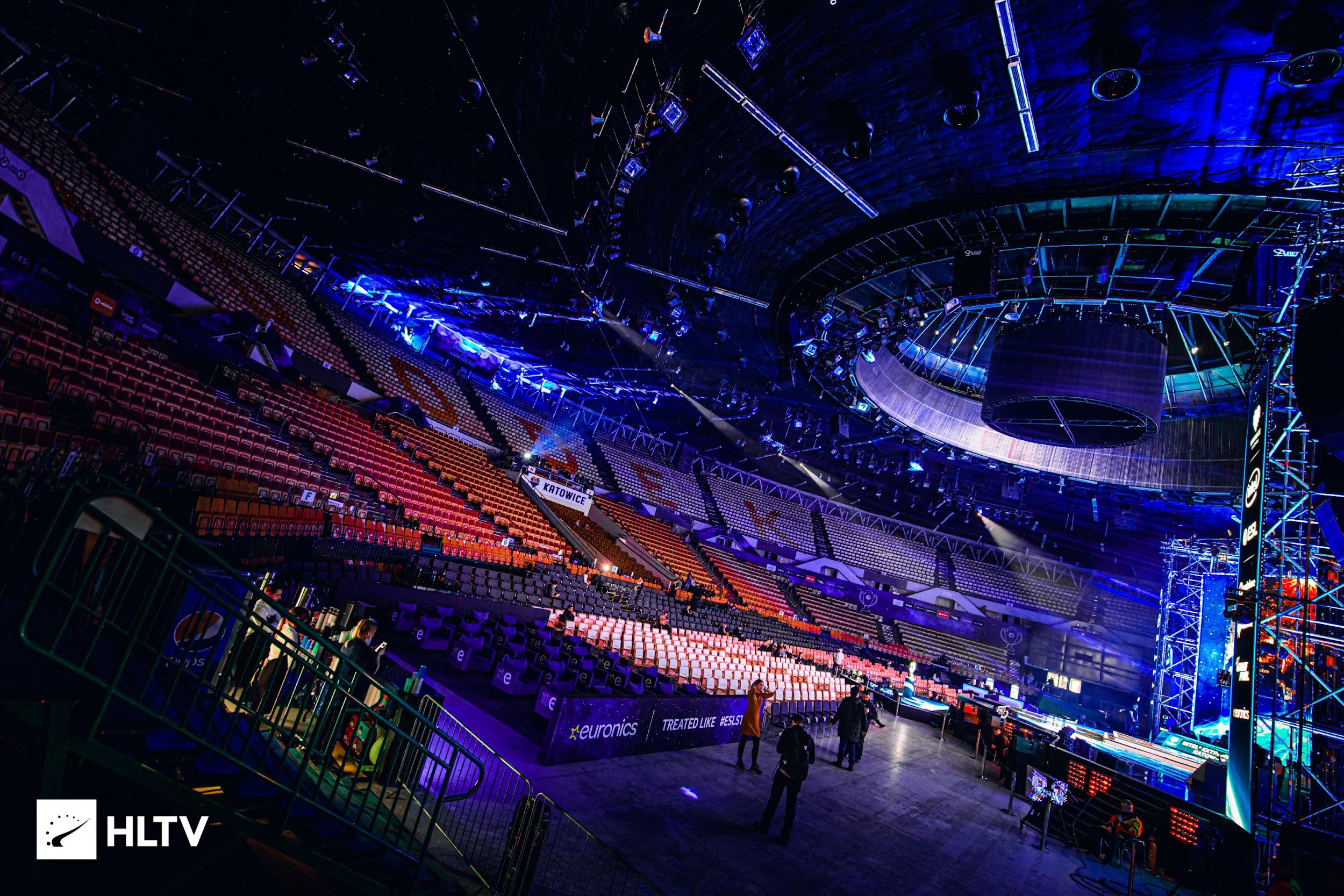
Since the outbreak of the COVID-19 pandemic, the Esports scene in general and CS:GO in particular have been significantly affected. In February, IEM Katowice – one of the most prestigious tournaments of the year – had to hold its playoff round without an audience. Following that, a series of tournaments were canceled and forced to shift to online play such as the ESL Pro League, FLASHPOINT, DreamHack Masters Spring, and even the Major ESL One Rio was postponed until November, resulting in only one Major this year. The transition of tournaments to an online format was a necessity under these circumstances; however, it has also had several negative impacts on the professional CS:GO scene.
1/ Inconsistent Performance of Top Teams
Inconsistency has been the common state of the world’s top teams recently. Except for Astralis, which performed fairly well in the ESL Pro League Season 11 (finishing in the top 3) and ESL One: Road to Rio (champion with only one loss), all other top teams have suffered surprising defeats against lower-ranked opponents. The most notable names here include Na`vi, Mousesports, and Team Liquid.
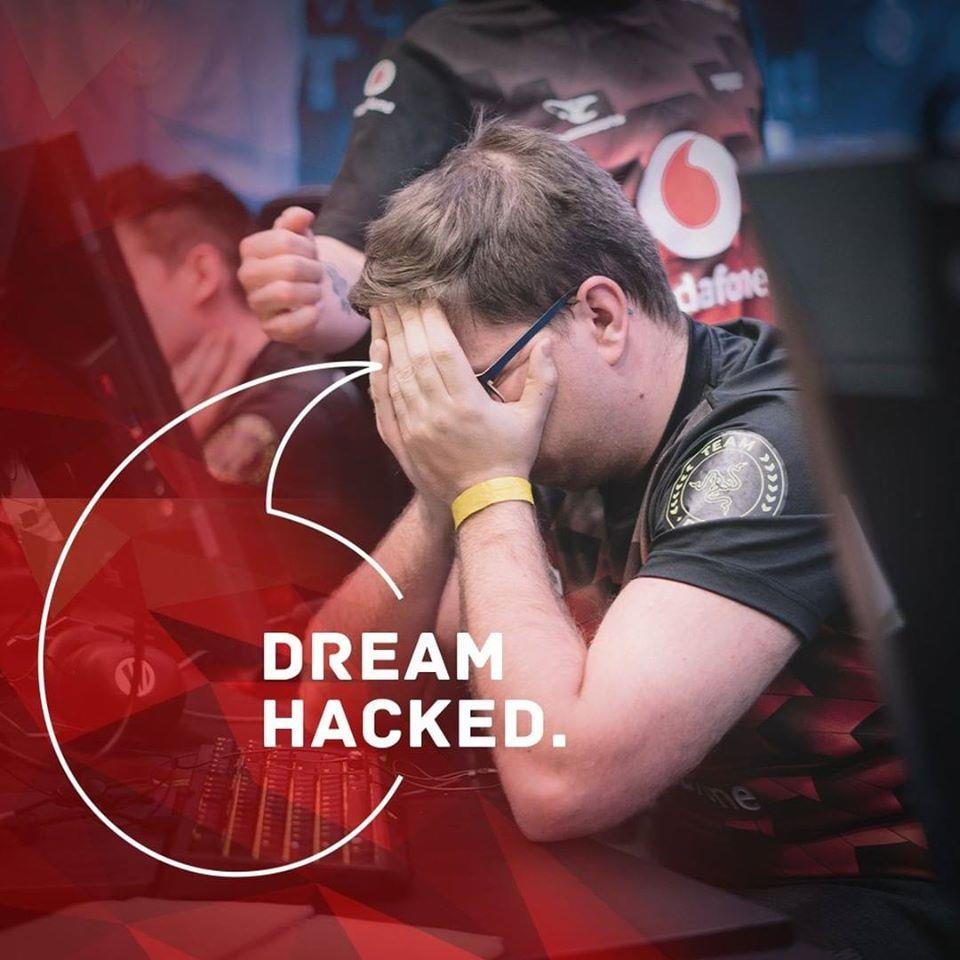
In the EU region, Mousesports seems to be the team most affected by online play, managing to keep their form only during the ESL Pro League Season 11 with the runner-up position; however, at ESL One: Road to Rio, Mousesports’ performance significantly declined as they failed to pass the group stage, finishing with a disappointing 3-4 record. Most recently, they also failed to qualify for DreamHack Masters Spring 2020, losing all 3 matches and finishing with a round difference of -46.
After winning the prestigious IEM Katowice 2020, Na`vi rose to the #1 position in the HLTV world rankings. However, since then, they have continuously had to compete online after over a year of solely LAN play, and this has truly affected a young lineup that hasn’t had much time to bond like Na`vi. Except for S1mple, the other four members have not been able to maintain their previous performance, and the lack of new strategies has allowed lower-tier teams to read them and defeat them. In the ESL Pro League Season 11, they stopped at the 4th position, while in the ESL One: Road to Rio, they couldn’t even get past… the CIS group stage with embarrassing losses to VP, Syman Gaming, and Hard Legion.
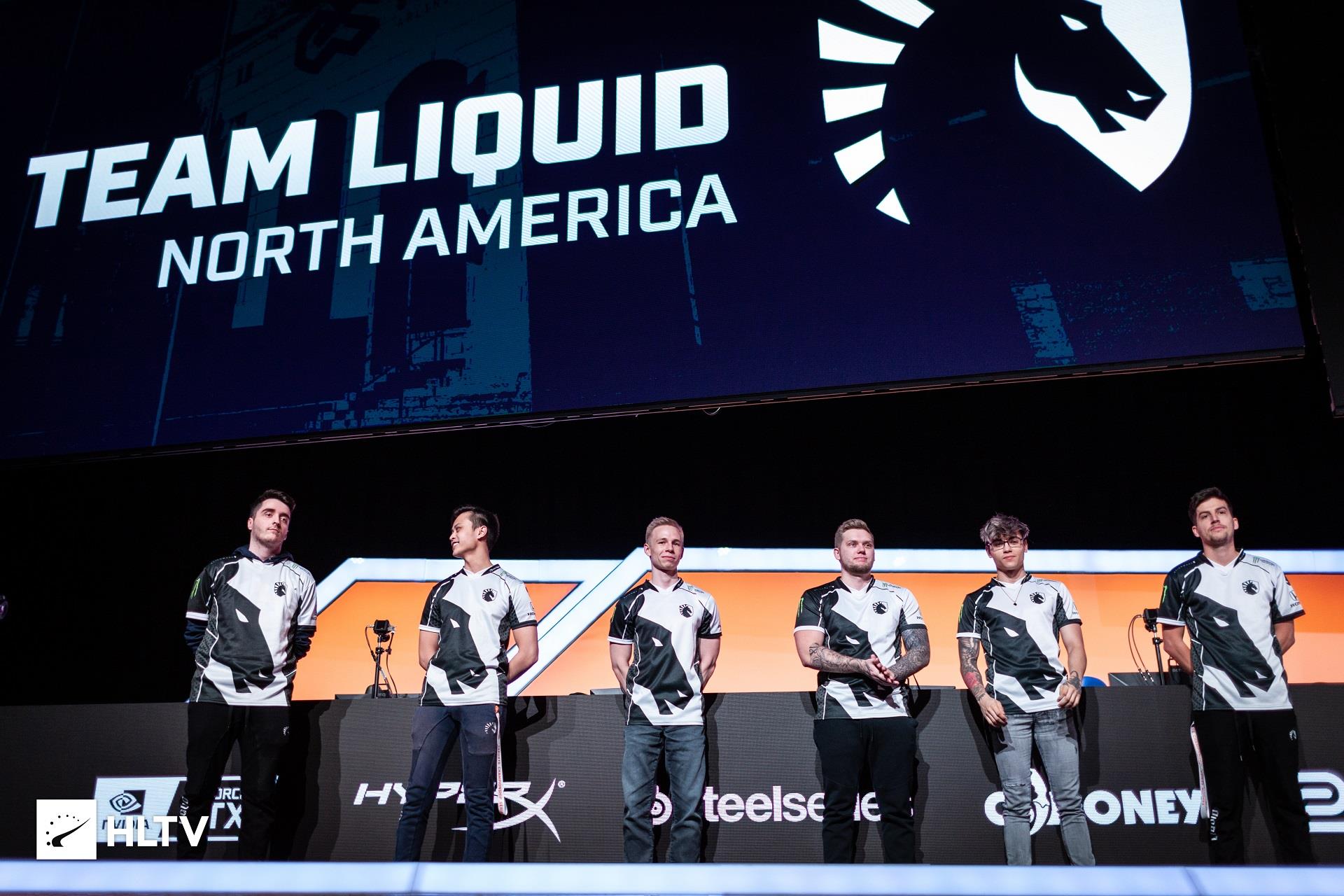
Liquid’s performance recently has also raised significant questions as they continuously disappoint fans with unbelievable defeats against much lower-ranked opponents like Envy, Furia, or Chaos Esports. Moreover, Liquid has lost their North American crown to Furia as they have been defeated in all four recent encounters (all best of 3). Stewie and his teammates need to make changes to regain their form before things go too far.
2/ The Rise of Lower-Tier Teams
The decline of top teams also means that lower-tier teams have the opportunity to rise and challenge the giants. As mentioned above, in North America, we have names like Furia, Gen.G Esports, and Cloud9, who have recently performed very well with convincing victories over Liquid or EG – two giants in the region; while in CIS, as Na`vi’s performance declined, it became an opportunity for VP or Team Spirit to rise and establish themselves.
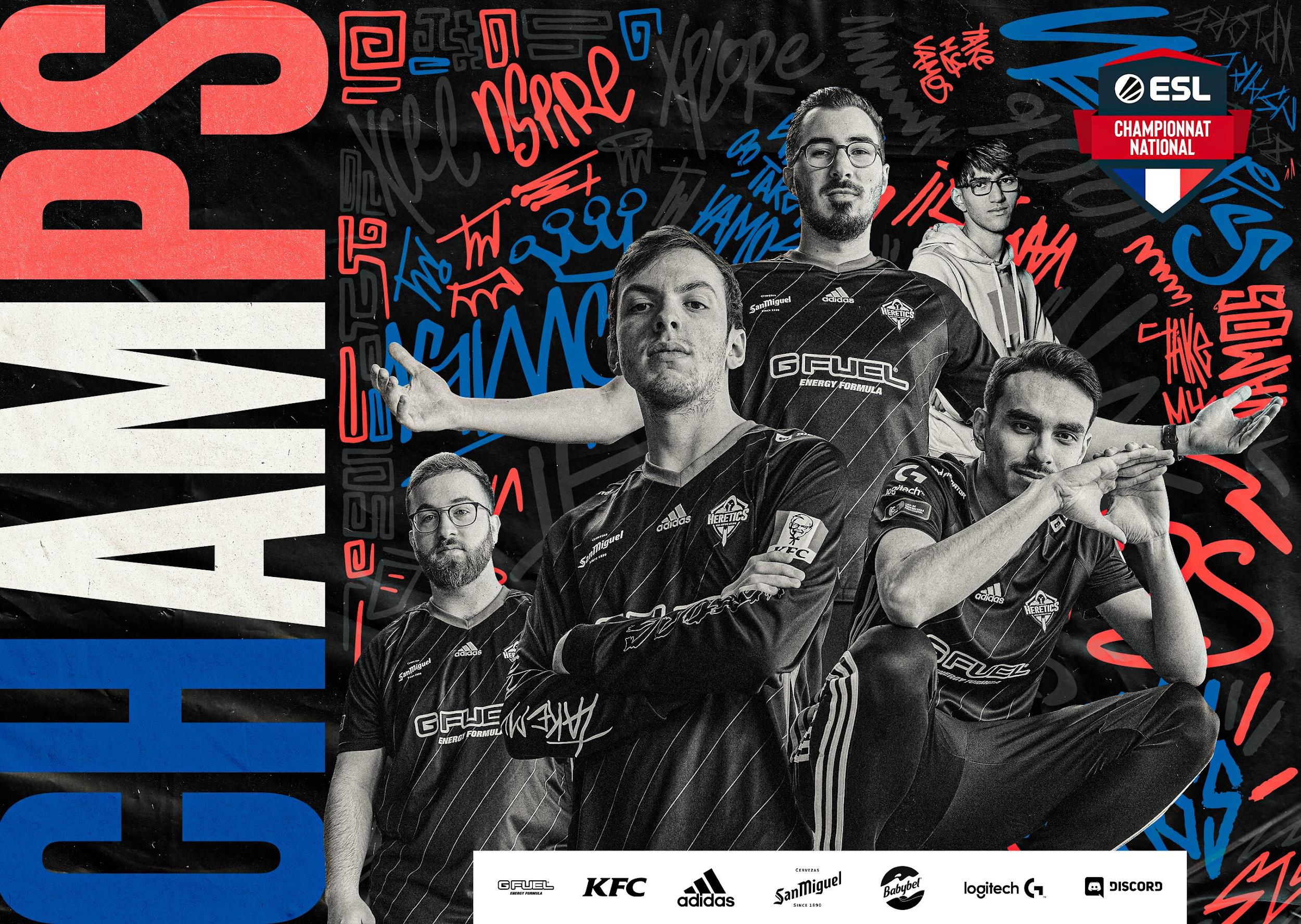
In the EU region, another team that has been performing quite well recently is Heretics, as this French team finished 6th in the ESL One: Road to Rio with impressive wins over Dignitas, Col, ENCE, and even almost defeated Fnatic, the tournament champions.
3/ The Exhaustion of Numerous Players
Another emerging issue is the change in tournament formats and the prolonged competition time, forcing players to compete continuously at a high intensity. One example of this is that after continuously playing in the ESL Pro League Season 11 for nearly a month, players had only one week off before continuing to play in ESL One: Road to Rio. Just 2 days after the ESL One: Road to Rio final, teams continued to compete in DreamHack Masters Spring 2020 for nearly a month, with the Showdown and Final of BLAST Premier Spring 2020 in between. Not stopping there, by the end of June, these top teams will continue to participate in cs_summit 6, the second RMR tournament of the year, to earn points for the only Major of the year – ESL One Rio.
The continuous competition between top teams not only leads to viewer “overload” but has also caused several players to announce temporary breaks from professional play to recover their health. Notable names like ALEX, Gla1ve, or most recently Olofmeister have clearly demonstrated this, and undoubtedly this list will not end here.
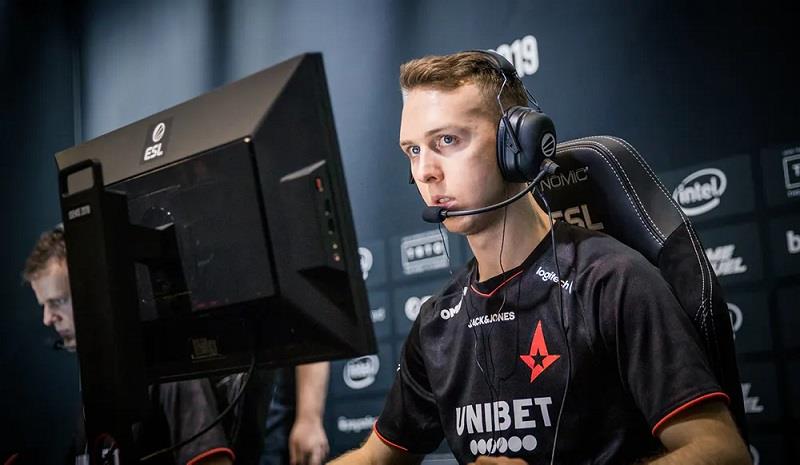
Online tournaments are certainly a suitable solution for the current context; however, they are having negative effects on the professional CS scene, and we hope that the pandemic will soon pass so that LAN tournaments can return with packed arenas filled with enthusiastic fans.