

Surely everyone among us is familiar with lessons such as how to build items for Garen, how to play and counter Garen, or tips to effectively utilize this champion. However, from mastering Garen, few have the patience to extract valuable lessons that can be applied to all champions in League of Legends.
Below are 5 valuable experiences we can learn from Garen main players:
1. Use short-range champions against long-range ones
Any top laner is always apprehensive when having to use a short-range champion to deal with a long-range champion. Champions like Quinn, Teemo, Vayne, etc., can pose significant obstacles that make many players feel extremely challenged during the laning phase.
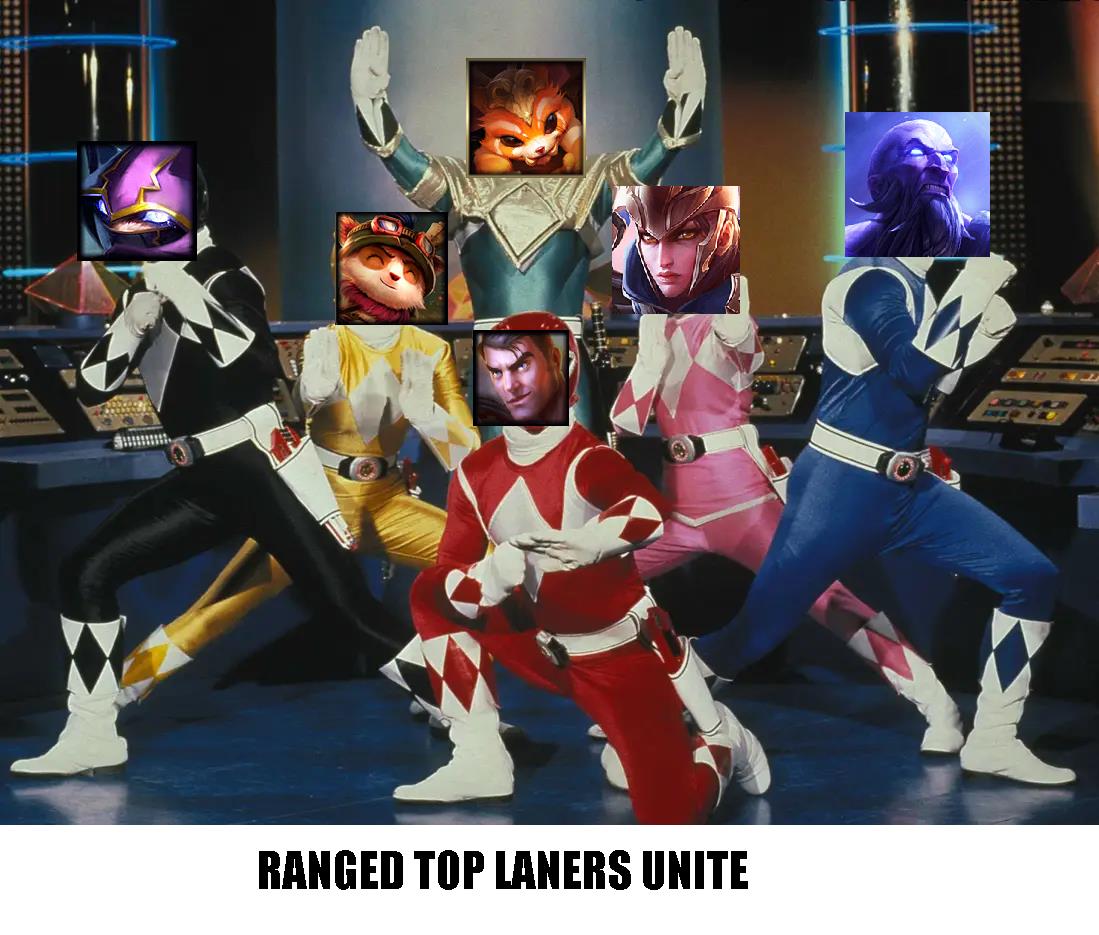
Garen – a typical short-range Juggernaut – is no exception and often gets bullied in lane by those long-range opponents. However, his kit contains tools that allow you to learn how to cope with these matchups.
Garen’s passive, Perseverance, will teach you how to position accurately whenever you are not advancing to farm, as you will want to maintain a distance far enough from the enemy’s attack range to regenerate health. It will also help you decide when to go in for last hits and when to choose to pass up and just stay close enough to “soak” experience.
2. Reset auto-attacks
Garen’s abilities are incredibly simple, but one amazing aspect of him is that this kit teaches players knowledge about some basic mechanics in League of Legends. Specifically, his Q ability – Decisive Strike – is a tool that teaches the skill of resetting auto-attacks very clearly, especially for new players.
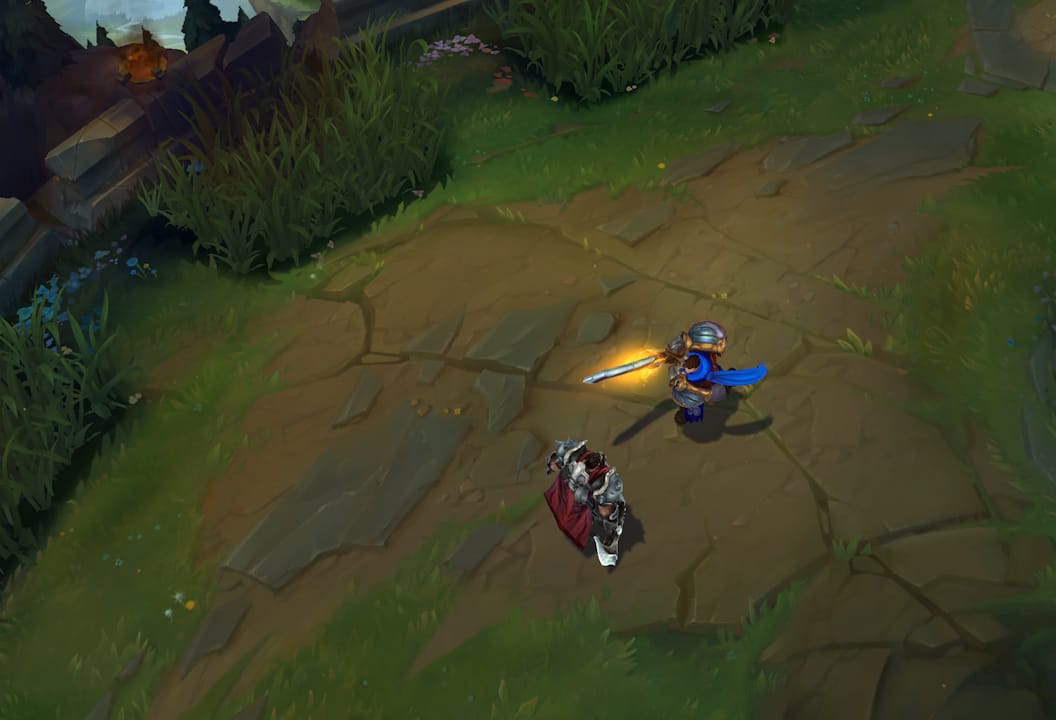
To learn this skill with Garen, you just need to wait until your auto-attack hits a minion or an enemy champion. As soon as this auto-attack is completed, hit Q and you will see that you can auto-attack again immediately without having to wait between two attacks. This is an important skill that any League of Legends player should learn as it allows you to deal more damage in a shorter amount of time, helping you win trade-offs or last-hit minions.
3. Learn how to all-in
All-in is a term in League of Legends that you can roughly understand as a player putting all their resources into attacking the enemy with the intent to finish them off. When going all-in, you must plan to use all your skills, including any summoner spells available, with the aim of securing a kill. This is relatively risky because if you fail, you will have no tools left to deal with the enemy when they turn around and retaliate.
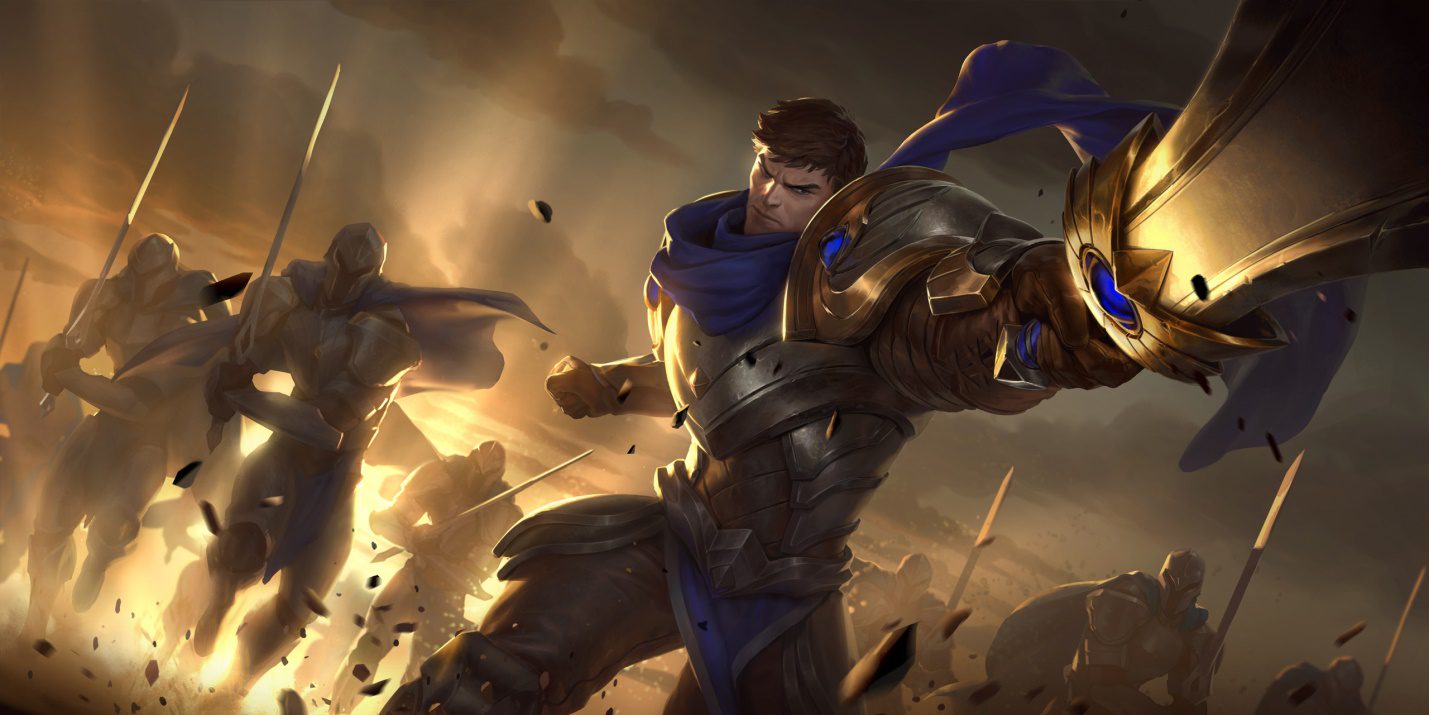
Garen is one of the champions with a kit designed explicitly for all-ins. He has the ability to increase movement speed and silence his target with Decisive Strike (Q) – allowing him to quickly close the gap to the target and prevent them from escaping, as well as the ability to execute with his ultimate, Demacian Justice (R).
When playing Garen, you will learn how to assess when you can and cannot go all-in as well as when you must all-in. For example, in some tough matchups against long-range opponents, your only choice is to all-in and take them down before they whittle your health down to nothing. If you play Garen enough, you will learn how to calculate how much damage you can deal with all your abilities and find the right moment to all-in.
4. Learn how to build items
If you learn how to build items for Garen flexibly and accurately depending on the situation, you can confidently apply it to almost every other match. Garen typically builds one damage item before going full tank. From there, you can learn various basic itemization choices that can be applied in all matches.
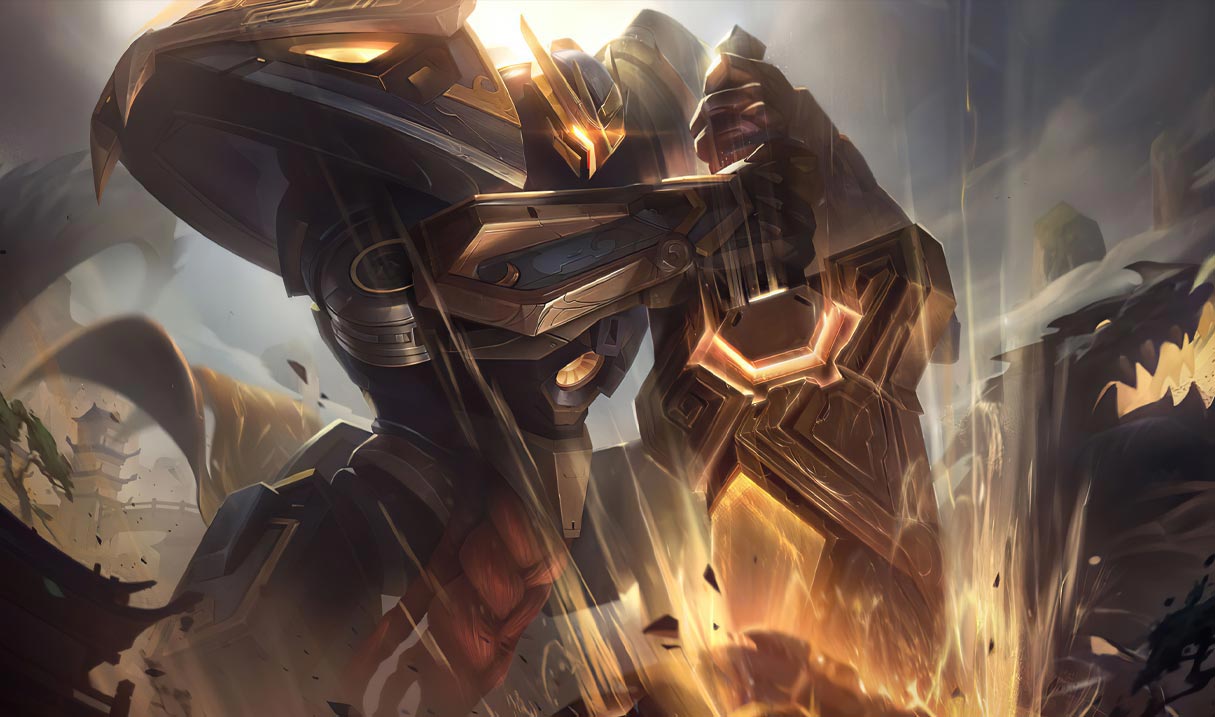
For instance, when it comes to choosing Boots, Garen can opt for Mercury’s Treads (increasing magic resist and crowd control resistance) or Ninja Tabi (to increase armor and block damage from auto-attacks). The type of Boots you want to build will change from match to match depending on your lane opponent and the enemy team’s carry champion.
You will have to make similar choices when it comes to damage items (Black Cleaver if you are up against tank champions or Trinity Force if the enemy team lacks a solid frontline), armor items (Dead Man’s Plate if you need mobility and extra damage, Randuin’s Omen if the enemy team has high critical damage), and magic resist items (Spirit Visage to increase healing, Adaptive Helm if the enemy has many damage-over-time abilities).
5. Choose the right time to engage in fights
If you play Garen long enough, you may realize that he prefers certain types of fights. He wants to engage in skirmishes, can perform well in team fights but does not want to participate in front-to-back fights (where tanks are positioned at the front, Assassins and champions charge in trying to attack the enemy’s damage dealers – usually positioned at the back and protected by Support champions). This is because Garen has quite a lot of single-target burst damage in his kit, making him excellent when there is a specific target he wants to take down and can do so quite easily.
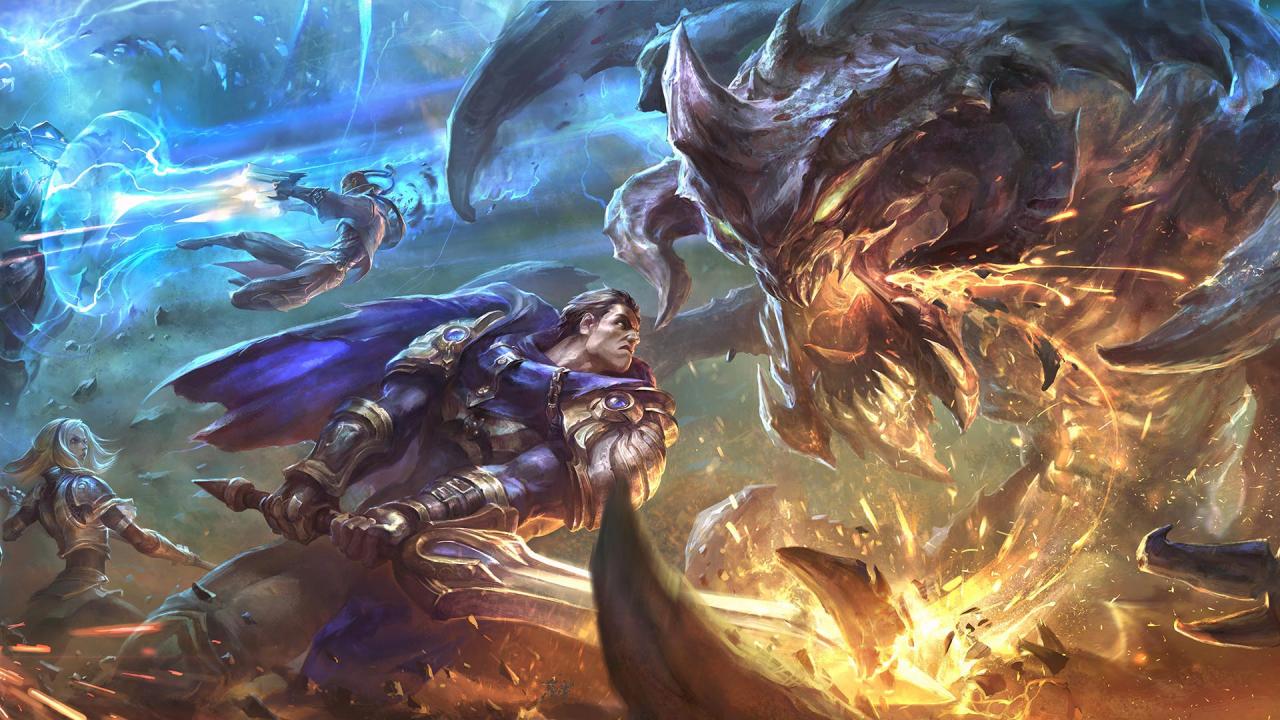
Conversely, in team fights, Garen can find it difficult or even impossible to reach easy targets like ADCs or AP Carries. Instead, he may become the “meat shield” soaking up all the damage and crowd control effects from the enemy team and unable to use his abilities effectively.
Playing Garen will help you identify opportunities to gain advantages in skirmishes. Of course, if your team gets into an all-out brawl, you can still assist them but will need to adjust your playstyle according to how the fight is unfolding.