

Throughout the history of League of Legends, Riot has released several champions that the community has come to call “200 years of game experience.” Notable names among these include Akali, Aphelios, and Viego… After that, Riot will begin their buff-nerf cycle until new champions are introduced.
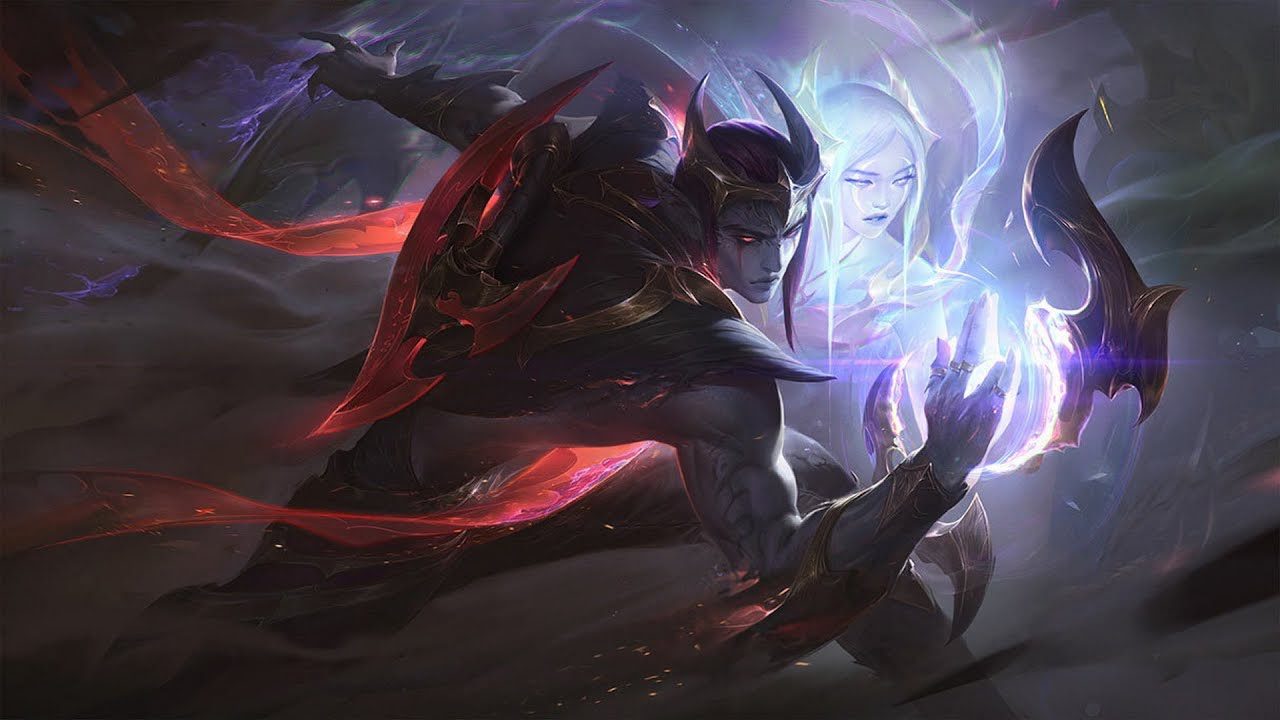
However, for professional players, whether a champion is strong or weak depends on each individual’s skill and, importantly, their compatibility with the meta and the team’s playstyle. Therefore, even with incredibly “dominant” champions, they do not always guarantee victory in professional matches. In fact, there have been many instances where a team featuring entirely “200 years” champions suffered bitter defeats.
Recently on his stream, Knight from Top Esports expressed his candid opinion on this issue. The mid laner of TES stated: “I hate losing and those who blame losses on weak champions. I really hate that, even if in that match, that champion didn’t have much impact, there are always moments when they prove useful. Choosing a champion that is significantly weaker in that patch is just as useless; you have to be aware of the overall situation. If a champion cannot be played, then there are other options.”

For League of Legends players, especially professional players, whenever a new champion or patch is released, they need to study it thoroughly, read many patch notes, and practice with that champion many times. Therefore, it can be said that to play League of Legends well, the first thing to do is to understand the pros and cons of each update. As ShowMaker once emphasized the importance of carefully reading patch notes, especially for players or anyone wanting to climb the ranks.
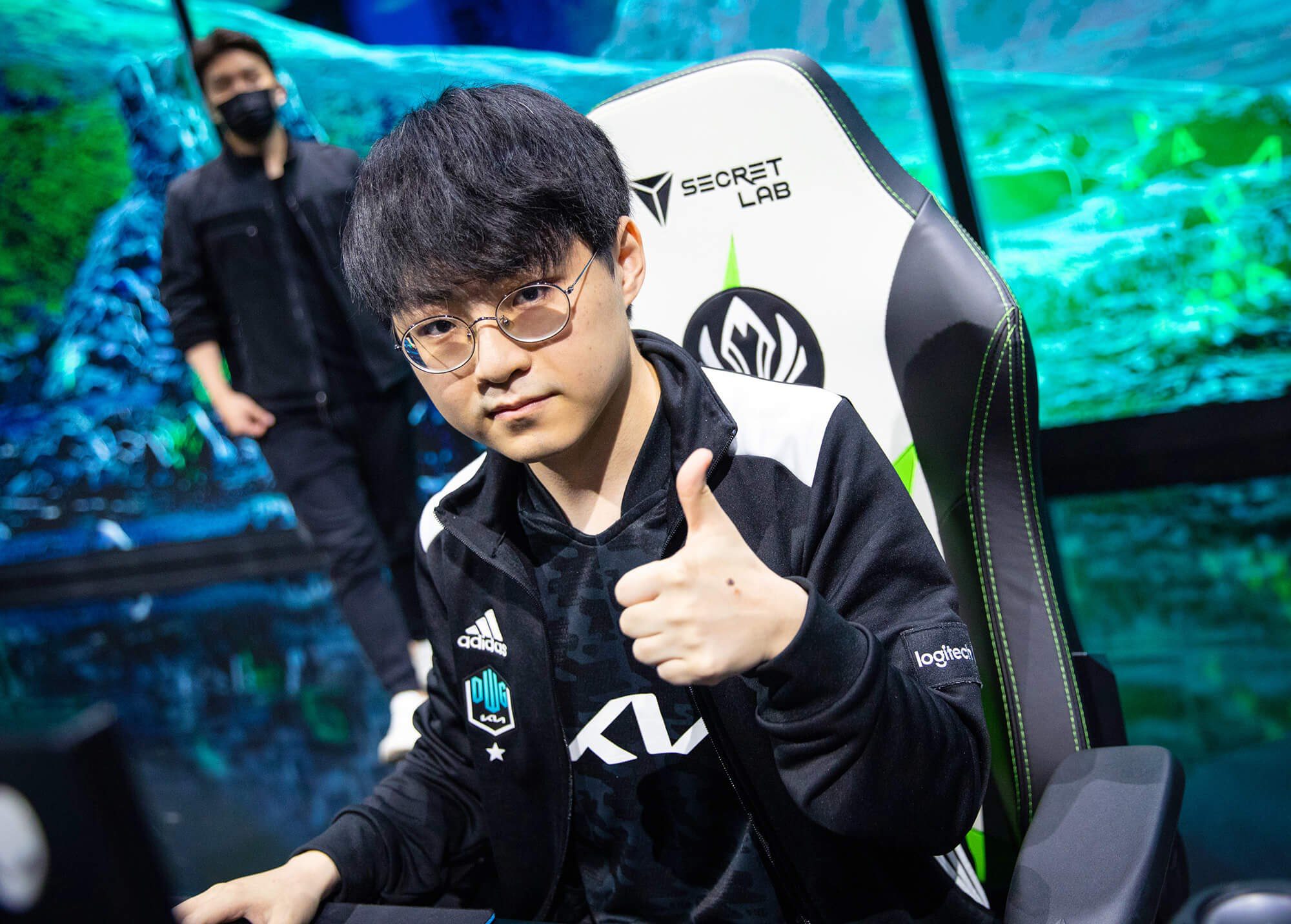
Many gamers play just for fun and often overlook patch notes or detailed information about new champions and updates. This leads to a situation where sometimes players are unaware that their favorite champion is no longer meta and stubbornly bring them into matches, which will only drag their ranks down or leave them with poor gaming experiences for themselves and their teammates. In the end, champions become a place for gamers to “vent their frustrations” in a very “unjust” manner.