

The Strong Influence of the Professional Scene
The truth is that in the early days of League of Legends, there was almost no widely accepted concept such as Mid Lane Mage, Bot Lane Marksman, or Top Lane Fighter. You might not believe it, but in the years 2009-2010, Ashe was frequently used in the mid lane, and having two Fighters in the bot lane was quite normal. This shows that League of Legends at that time had no set patterns, and players were free to be creative.
However, when professional tournaments emerged and pro players gradually figured out what lane distributions were considered optimal, League of Legends began to form its own patterns. This had a strong impact on the mindset of League of Legends players as they watched the best professional players play and gradually learned from them, leading to our game adopting a lane distribution that is now almost unchangeable.
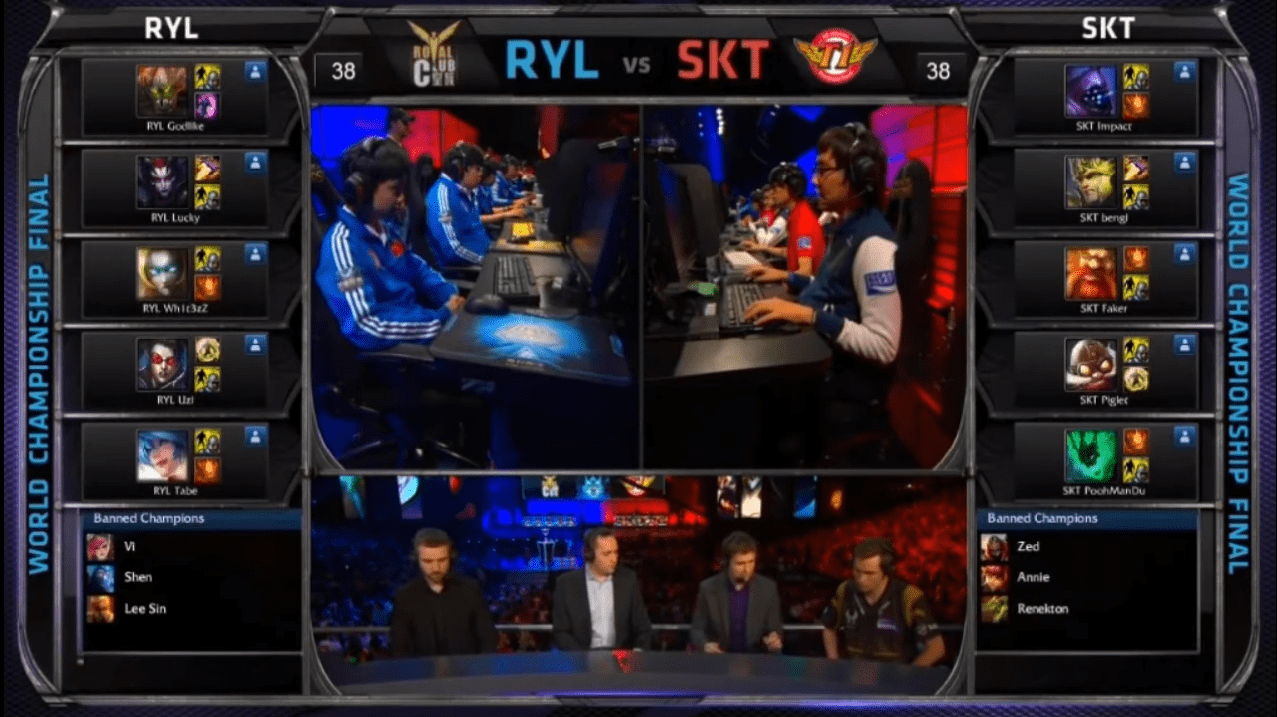
However, even professional players have found ways to break this standard, with strategies like lane swapping and roaming Support… that were applied in some matches, but they have not proven effective in the long term and cannot create a new lane meta.
The Direction in Riot Games’ Design
Along with the development of the game, Riot Games has also produced a feature called position-based matchmaking, which has completely stifled creative thinking about lane distribution. With each player in ranked matches needing to choose their desired role along with their desired champion and intended playstyle, the time for players to consider unconventional lane distributions has vanished.
Furthermore, the specialization changes made by Riot Games have also removed the basis for differentiation in lane distribution. Jungle items are the most typical example, with Riot having modified them so much that only when you take the Smite spell can you build jungle items. After that, we have many distinct item sets for different classes of champions and positions, which raises the differences in gameplay to such an extent that unusual item builds and positional plays are no longer possible.
Players Stifled by Creativity
The creativity of the community is a significant part that helps any game develop. League of Legends is no exception; however, in the context where Riot has a tradition of stifling this creativity, it is only natural that players gradually become bored and start playing more conventionally.
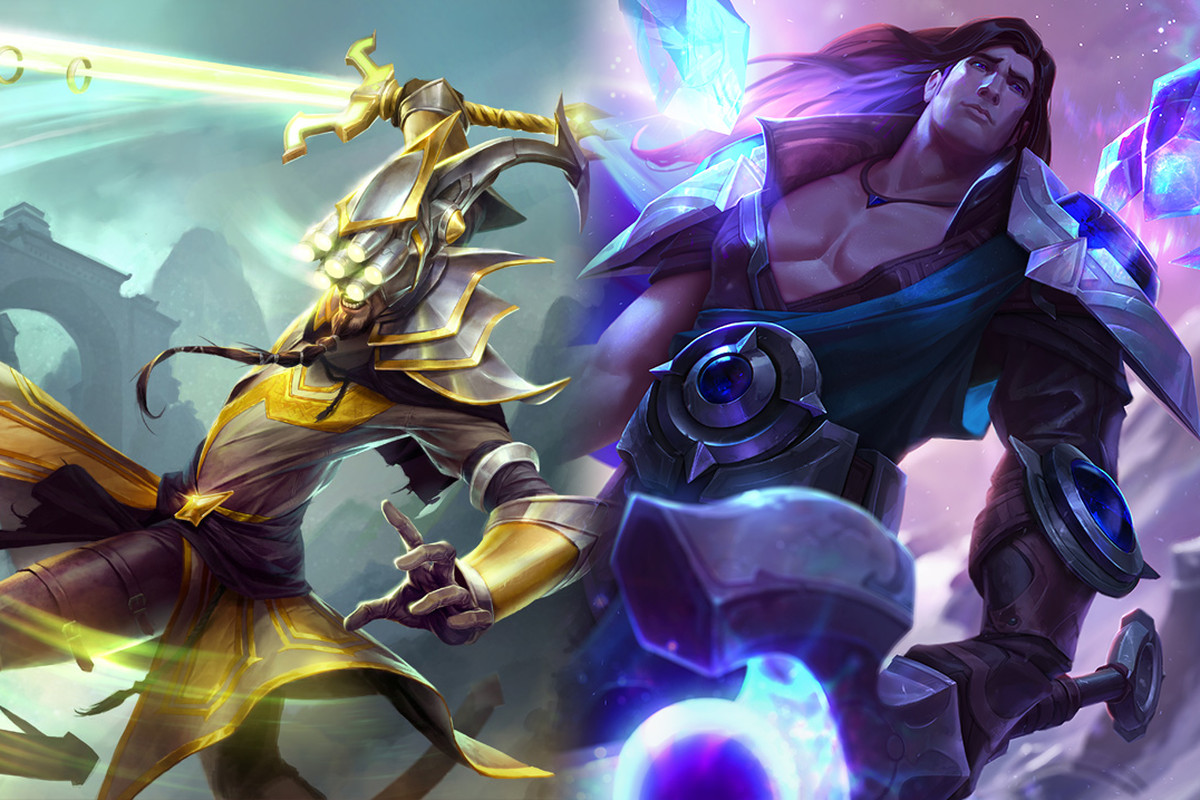
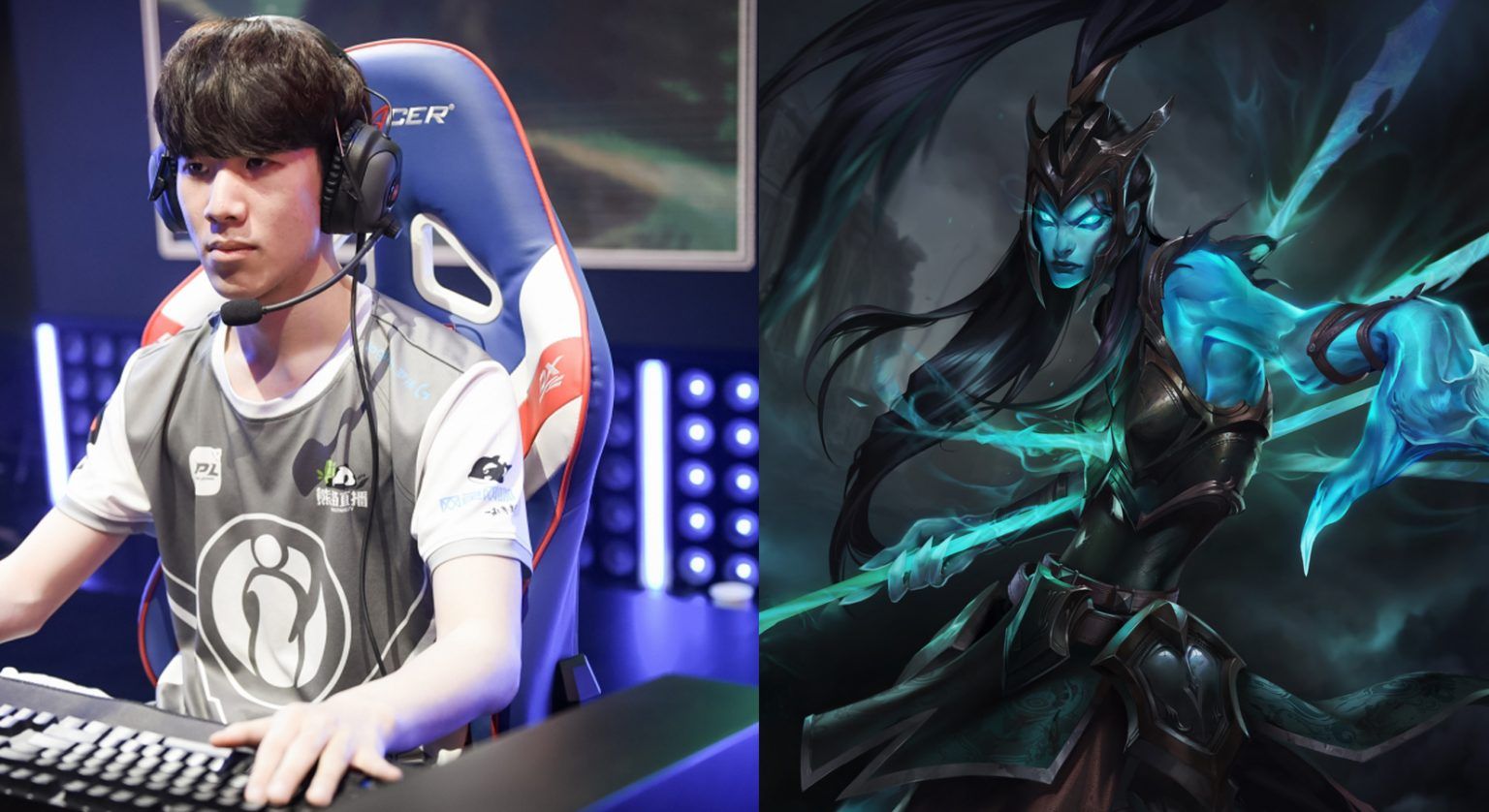
Take for instance the most recent example, which is the top lane Kalista playstyle, a groundbreaking creation discovered by The Shy that took the world by storm. However, what did Riot do to balance this playstyle? They directly targeted Kalista’s power with a nerf in patch 10.8. As a creator, you would feel incredibly heartbroken to see your researched product being obliterated like that. Perhaps that’s the sentiment of The Shy, and he may not find such a playstyle again.
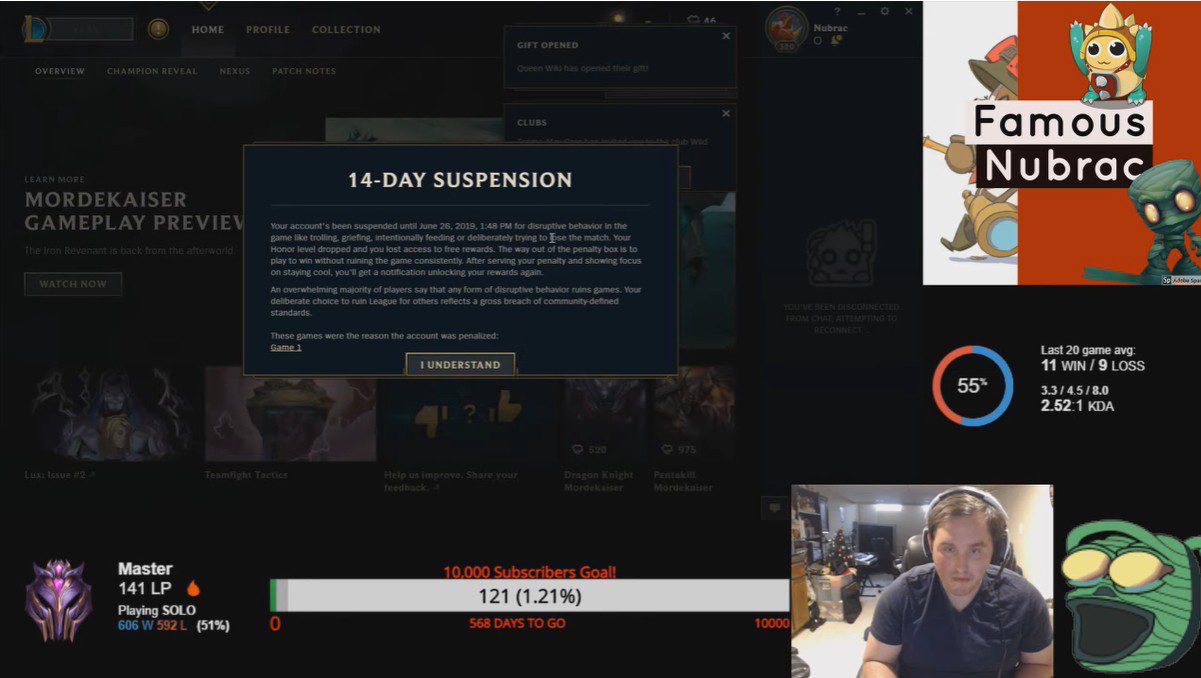
Unconventional lane distributions have also seen players trying to break this standard in various ways, such as streamer Nubrac using Teemo to support multiple lanes, or the “River Shen” playstyle with continuous ganks using Shen… However, the community seems to dislike this, as streamer Nubrac was banned for simply playing Teemo in unconventional lanes. In that case, would you still want to be creative?
Conclusion
In League of Legends, diversity is not foreign, but lane distribution is not. Day after day, we use the same rigid mindset without any innovation. However, it is not the players’ fault when Riot Games does not allow you to do so, and when the community mocks your creativity, players are forced to play by the rules to survive.