

As we know, Riot Games’ headquarters is currently in North America, so it’s clear that this game company prioritizes taking care of its “home” region. Besides the in-game factors, the highest League of Legends tournament in North America – LCS is the first place where Riot implemented a franchise system to help teams rapidly develop their brands.
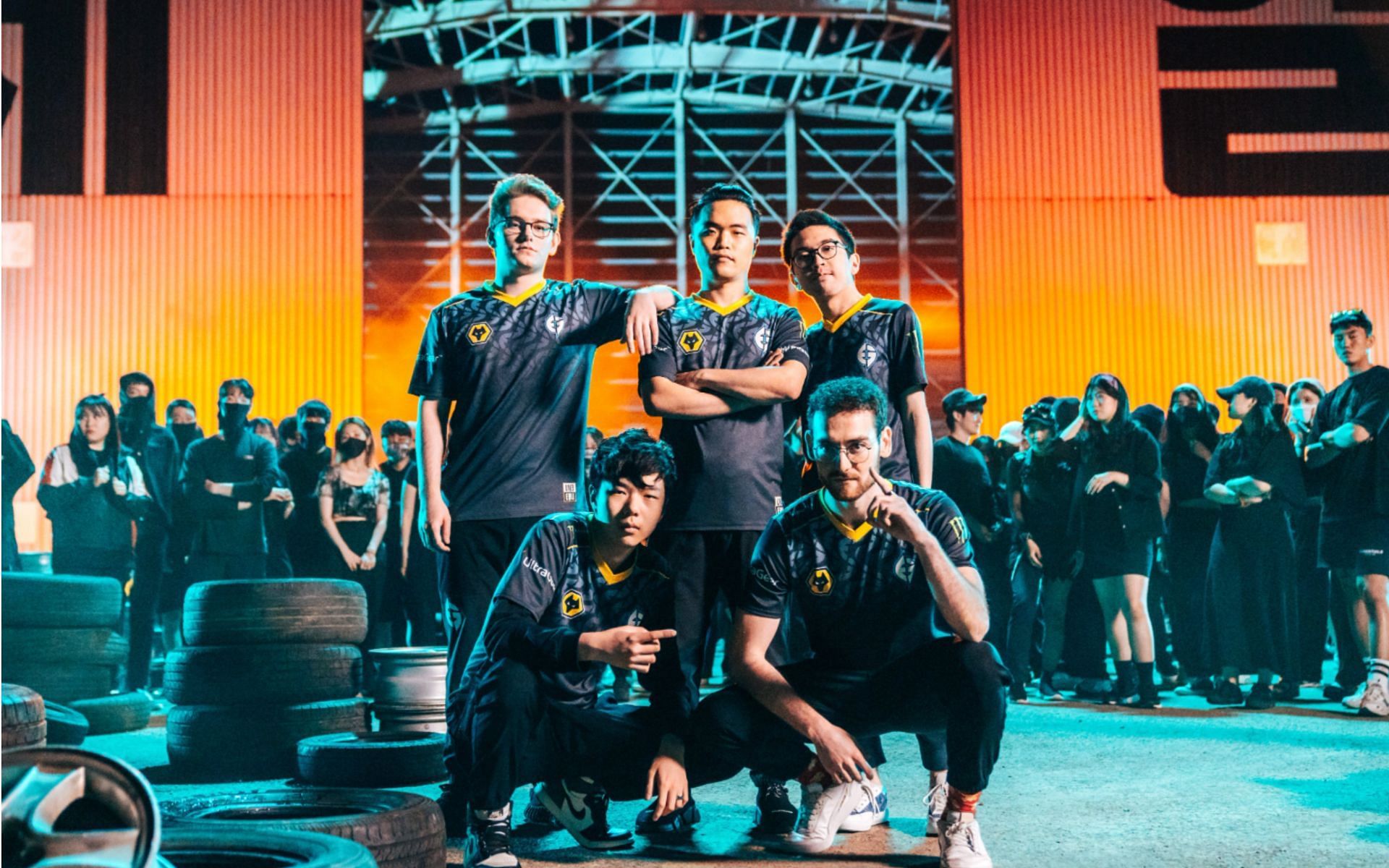
However, in the past 2-3 years, the appeal of the LCS has drastically declined, with average viewership dropping continuously by 20-25% across seasons. There were even times when this tournament had fewer viewers than a personal channel like Tyler1. So, what has caused the LCS, once the “darling” nurtured by Riot, to become a tournament that the home audience has turned away from? Let’s find out.
Players Lack the Drive to Win
Unfortunately, this issue stems from unreasonable decisions made by Riot Games itself. If you remember, Riot once stipulated that the main roster of teams must have at least 3 “domestic” players. This ensured that teams couldn’t use foreign players indiscriminately and created a disadvantageous effect for the tournament.
However, Riot has now removed this rule in the LCS, allowing teams to use as many foreign players as they want. This arose from the poor performance of the LCS region, and they wanted to improve it in a short time. However, without enough quality foreign players, the performance of North American teams remains poor.
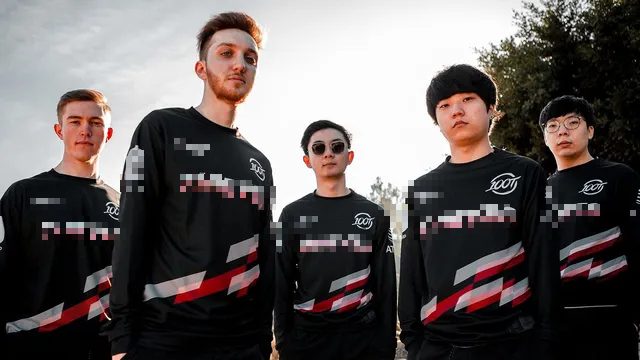
Meanwhile, players from other regions are often paid very high salaries regardless of their performance. This leads to players gradually losing their competitive motivation, playing half-heartedly, lacking determination, and no longer showing the desire to win. Clearly, as an audience member, viewers will not accept this and gradually abandon watching the LCS.
No Room for Young Talents
As mentioned above, the roster-building policy in the LCS is to buy players to strengthen the team in the short term. This may be effective, but it inadvertently leaves no room for young North American talents to develop and rise to stardom. Essentially, they (the young talents) cannot compete with established players from other regions in terms of image, reputation… even if their skills may not be inferior.

At this point, many may argue that the LCS also has an Academy League for training, and the region isn’t lacking in talent. However, the Academy League has now lost its original purpose and has become a “retirement home” for players who cannot compete in the LCS. For instance, the fact that Gamsu (a Korean player born in 1995) is still playing in the Academy League shows that it is no longer a place to train young talent.
Poor International Performance
All of the above can only lead to one result for the LCS: its international performance has been abysmal in recent years. North America has even become a “joke” in international tournaments as they are so weak and can be easily defeated by other teams. Specifically, at the 2019, 2020, and 2021 World Championships, only one North American team, Cloud9, managed to advance past the group stage.
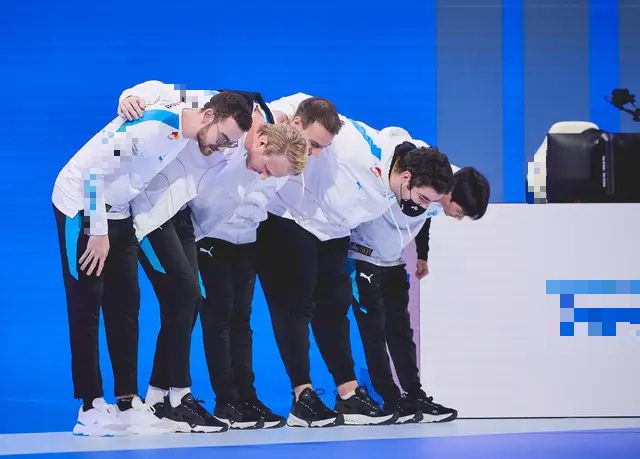
For viewers, witnessing their favorite teams lose in such a disheartening manner is hard to accept. Many have chosen to give up and no longer follow the LCS when they can no longer witness the desire to win. Perhaps if the current misguided direction continues, the LCS will continue to decline in the upcoming seasons.