

As reported, during a stream on July 27th, Faker criticized some persistent rank trolling issues on the Korean League of Legends server, particularly at higher ranks. This is a rare occasion where the captain of T1 has expressed his frustration about the state of the League server.
Almost immediately, Faker’s remarks had an impact. According to information from DailyEsports, the publisher of League of Legends in Korea has conducted a crackdown on numerous accounts suspected of rank trolling and systematically disrupting the in-game environment.
First, they have permanently banned suspicious accounts that appeared in Faker’s matches. These accounts will face permanent IP bans due to long-term troll and disruptive behaviors. Through the investigation, a Riot Korea official also confirmed that these accounts contained falsified information, and there are suspicions that their owners are all from China.
These accounts are likely to have been set up by Chinese betting websites to manipulate the outcomes of ranked matches, particularly those involving famous players.
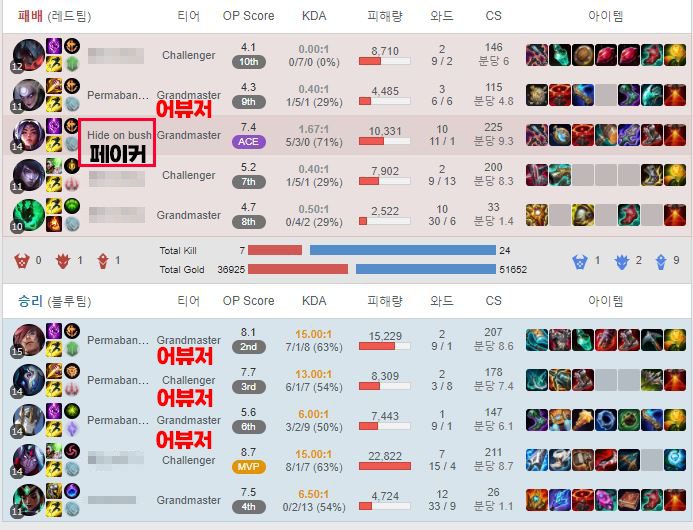
Additionally, the South Korean media has raised significant questions about whether Tencent is inadvertently or intentionally supporting these betting companies in their disruptive actions. According to the most common hypothesis on Twitter, to own a Korean League of Legends account, players must use registered information to prove they are legal citizens of Korea. Moreover, to access the Korean server from abroad, one must employ techniques to bypass firewalls, with VPNs being the most popular method.
However, the VPN system used by these game disruptors is provided by Tencent. The issue that raises suspicion is that many other LPL players also use this VPN to rank up in Korea, making it unclear whether Tencent is “deliberately” supporting these betting companies.
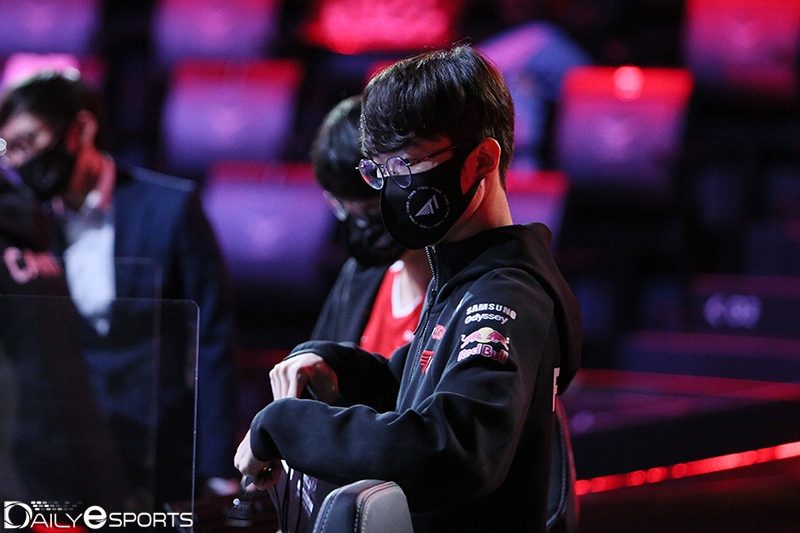
On the other hand, the Korean gaming community is having mixed discussions around Riot Korea’s actions. The problem of game disruption has been rampant for nearly a year, causing a lot of frustration among both players and professionals while climbing ranks in Korea, but it was only after Faker spoke up that Riot took concrete action.
It is quite understandable that Faker’s influence is substantial, but Riot’s actions also indicate that they seem to have been completely ignoring feedback from the community, only responding with specific measures when fans and spectators of Faker collectively reacted.