

Initially appearing as a small project from Riot Games, VALORANT did not attract much attention from gamers, simply because the League of Legends: Wild Rift and Teamfight Tactics Mobile had already stolen the spotlight. However, this shooting game turned out to be the name that made waves during the testing phase, breaking numerous streaming records on Twitch.tv, the largest streaming platform in the West, and becoming a hot topic of discussion.
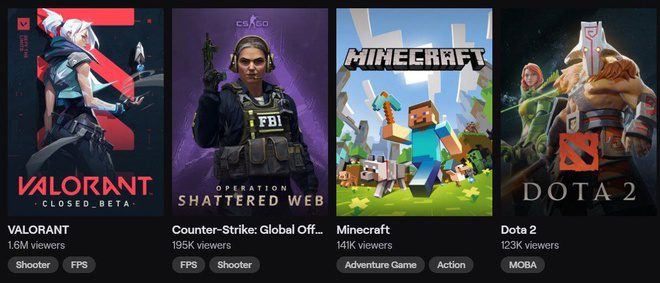
The main reason for this attention is Riot Games’ massive marketing campaign, where they hired a variety of streamers from CS:GO, OverWatch, League of Legends… with large fanbases to play VALORANT and directly distribute keys. Subsequently, whether by accident or design, the story of Vanguard – Riot Games’ anti-cheat system related to security also drew more attention to VALORANT.
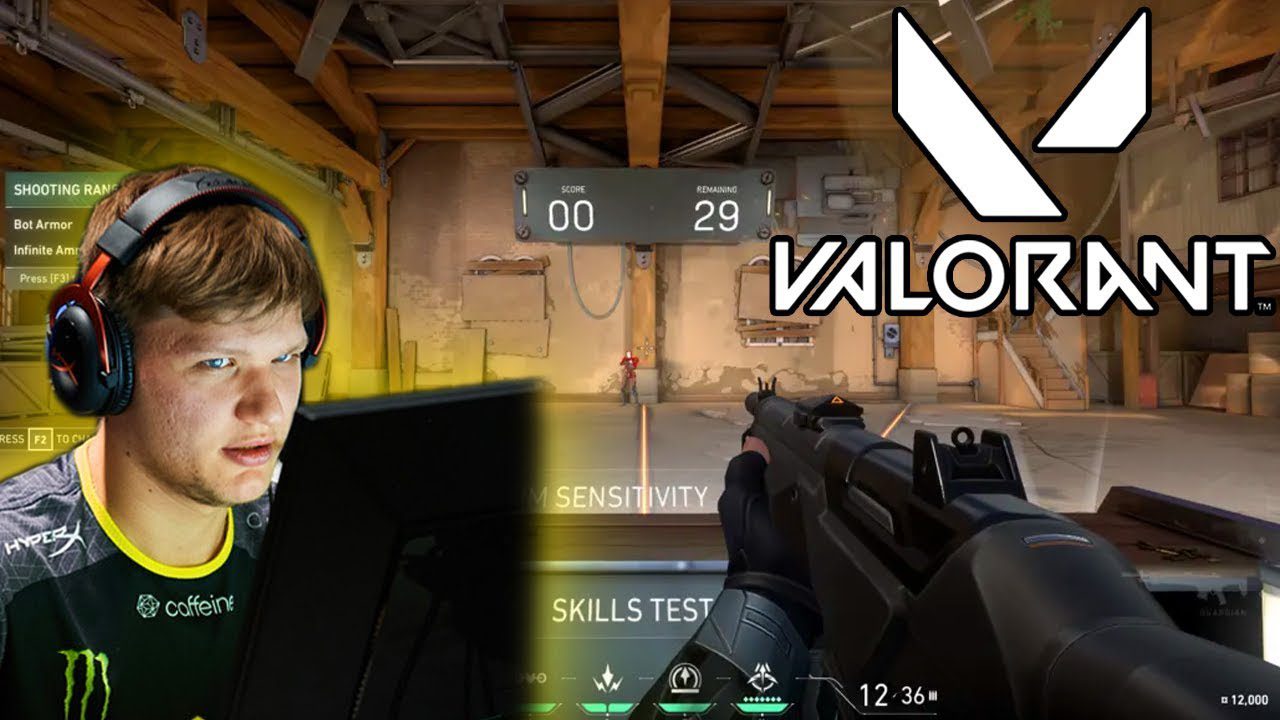
However, marketing alone isn’t enough for VALORANT to attract so many players; the gameplay and pace that appeal to the majority of gamers are the biggest strengths of this game. Unlike OverWatch, which has a fast-paced, relentless series of gunfights, VALORANT allows players to easily adapt without feeling overwhelmed.
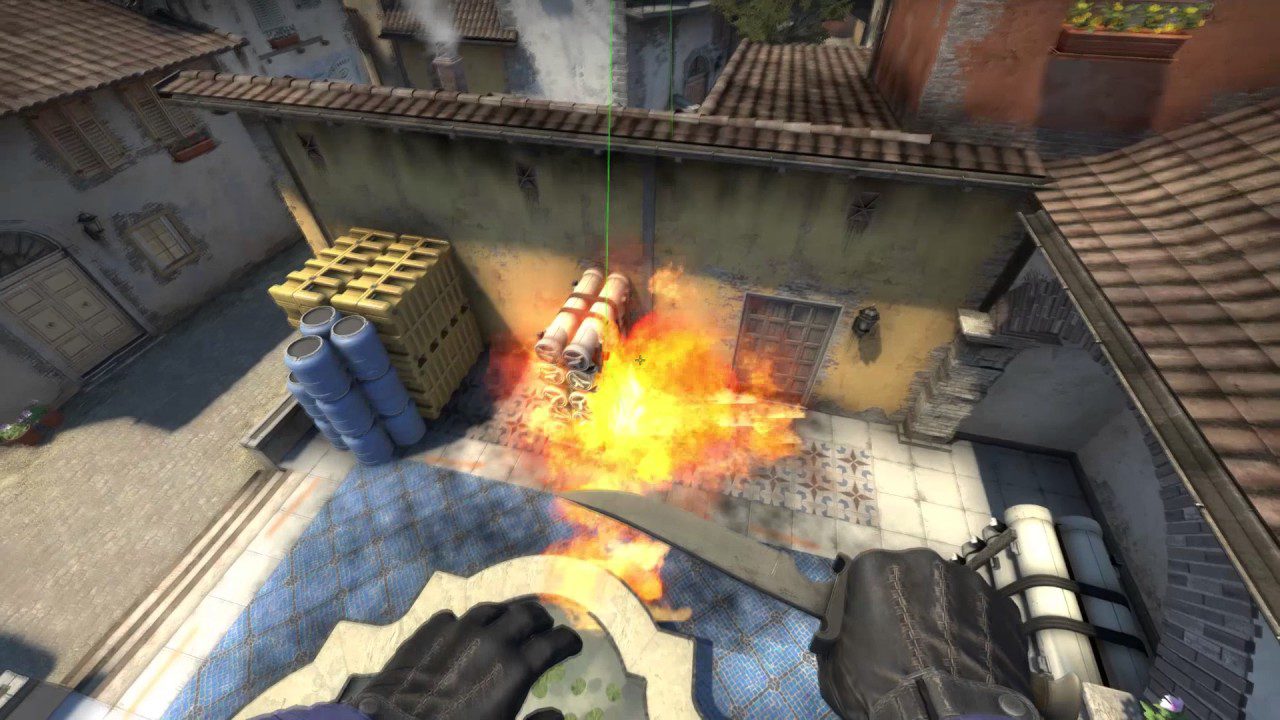
However, it is fast enough without dragging on for an hour, and players don’t have to calculate every penny like in CS:GO. VALORANT focuses players more on gunfights rather than saving every Smoke, Molotov, or Flash for target attacks and bomb retakes, unlike the current state of CS:GO. In summary, this game has just the right level of difficulty for players to acclimate easily.
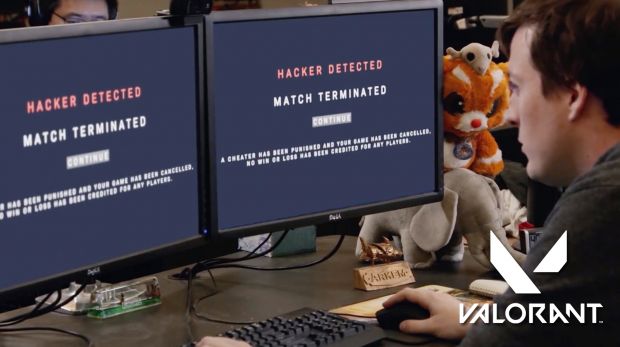
Another major issue in the FPS genre in general and VALORANT in particular is the cheating problem. Just look at Apex Legends, PUBG, and most recently, CoD: Warzone and even VALORANT; whenever a game launches, hackers will inevitably find ways to cheat. Riot is aware of this and has designed the Vanguard system specifically to counter hackers.
As mentioned earlier, this system has faced considerable backlash from the community due to its deep intervention and concerns about security. However, the truth is not entirely like that; if you fear your information being exposed, it’s best to accept that you will have to play alongside hackers, because without the highest level of control, how can we effectively prevent cheating?
Finally, there’s the question many are asking: will VALORANT kill CS:GO? The truth is no; Riot’s game will not eliminate CS:GO. If anything, it is a catalyst for the “king of FPS” to evolve in ways players cannot imagine. For instance, the number of CS:GO players has surged dramatically in recent months, reaching its highest number ever.
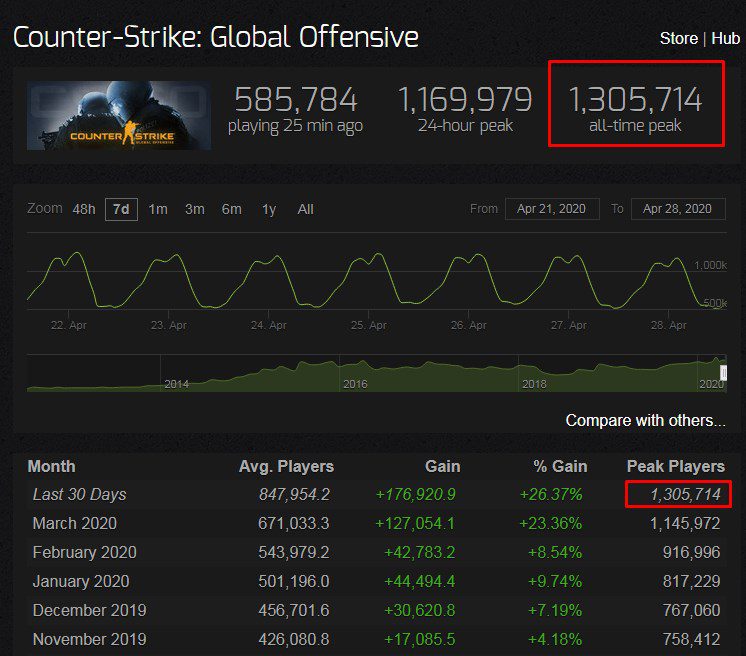
With the arrival of VALORANT, the FPS genre has suddenly become hotter and more attractive than ever, and CS:GO has benefited greatly from this. The competition posed by VALORANT has forced CS:GO’s developers to completely change their game development approach, updating the game more frequently and accelerating the transition to Source 2 this summer, instead of clinging to the title of “king of FPS” as before.
CS:GO fans should perhaps rejoice at VALORANT’s release, as it serves as a motivation for their favorite game to improve rather than something that will kill it. Games deemed “dead games” often suffer from issues inherent to the game itself, rather than from an external force. Don’t believe the clickbait headlines on YouTube or social media that unfairly criticize a game yet to be released.