

Initially thought to be just a sensitive comment from caster Văn Tùng, the situation seemed to end after he posted an apology to Peanut’s fans. However, the controversy surrounding the Hanwha Life Esports player shows no signs of cooling down. In fact, after several days of back-and-forth, the situation appears to spiral further out of control. Recently, the fan page of Mai Dora – Văn Tùng’s wife – was “attacked” by a faction of overly enthusiastic Peanut fans in Vietnam. Additionally, unrelated individuals have had their past actions or statements regarding Peanut brought back into the spotlight, such as Doran and Faker.
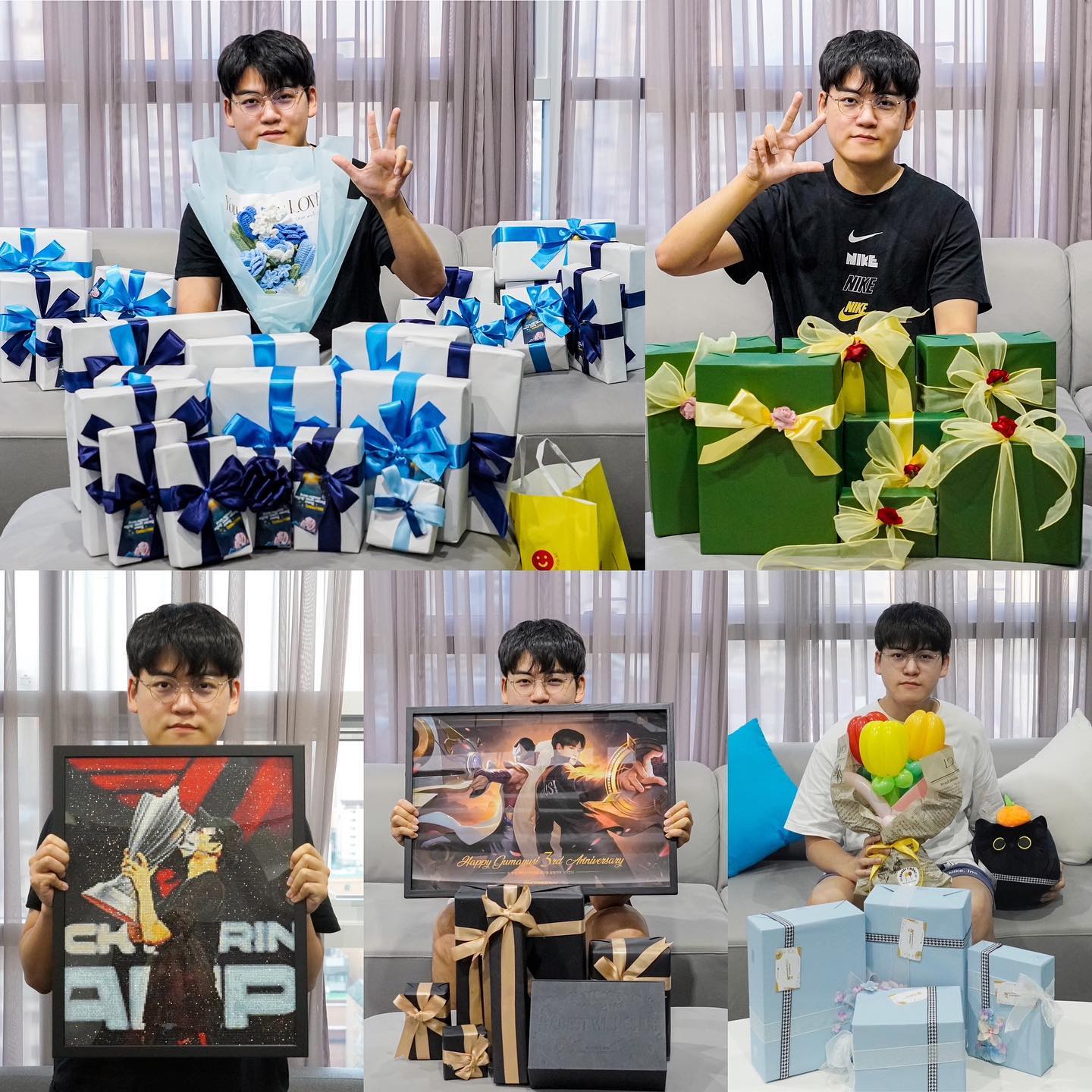
Since the rise of League of Legends tournaments, and the significant development of LCK – LPL compared to other regions, a segment of fans with a strong “idol culture” has emerged. In fact, players in the LCK – LPL, especially famous superstars, always receive meticulous attention regarding their image. Many of these players are considered handsome or camera-friendly, like Peanut, Keria, Faker, Gumayusi, JackeyLove… Therefore, teams often construct visuals around these superstars. Notably, not only Faker but also the players mentioned above have dedicated fan clubs. Each livestream or birthday sees an overwhelming amount of gifts pouring in for these players.
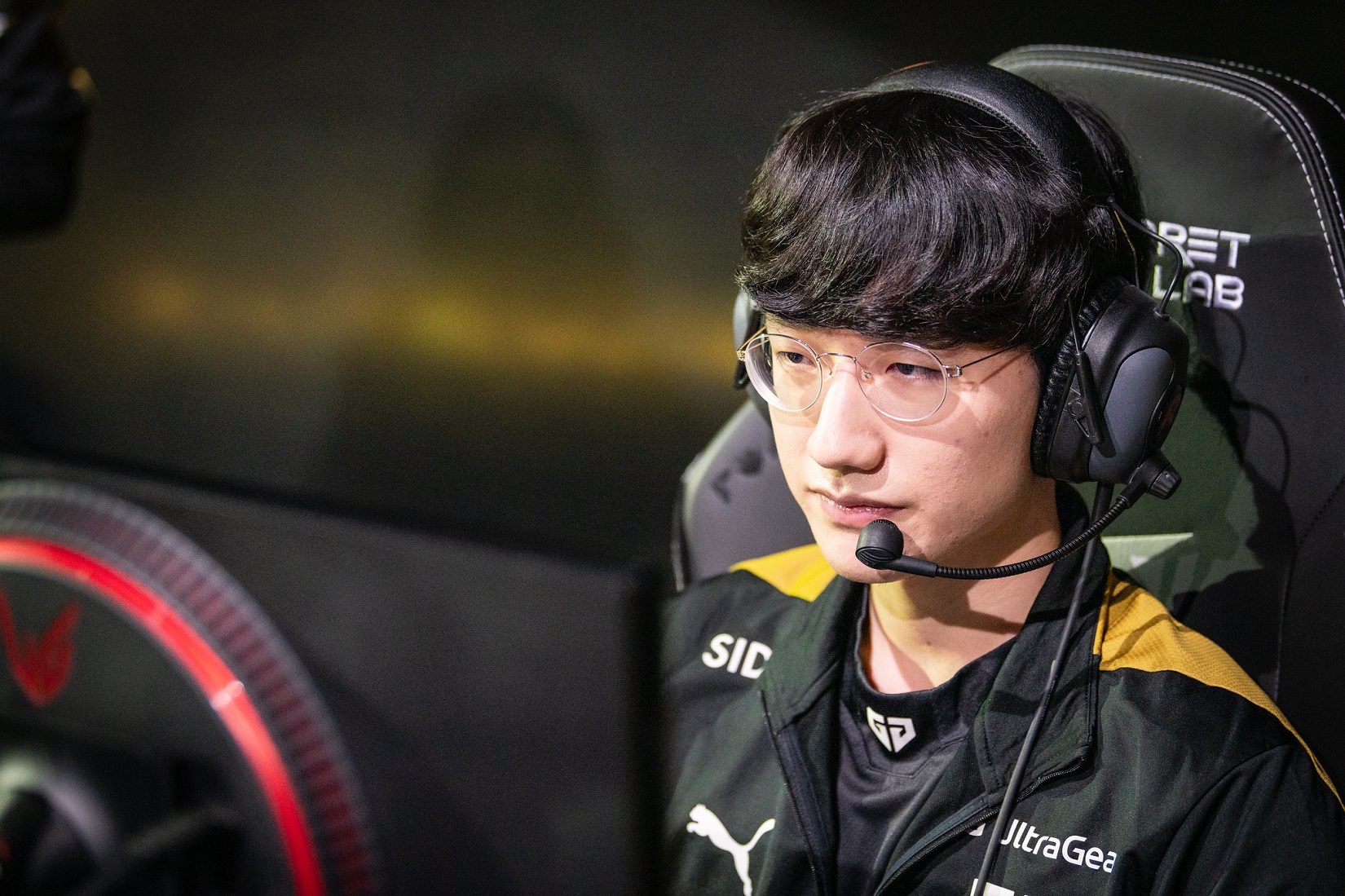
The benefit of developing League of Legends players in the direction of real entertainment idols is the right choice. In countries with robust entertainment industries like China and Korea, it would be a waste not to capitalize on the enormous fanbase. Furthermore, expanding viewership beyond the gaming community helps players generate significant income and spread the influence of Esports in general and League of Legends in particular. Even in LCK, players like T1 regularly have interactions with entertainment idols like BTS and NewJeans to attract fans from these music groups.
However, when things spiral out of control, there will inevitably be accompanying “side effects,” which in this case is the “idol culture.” The image of “truck-kun” is no longer strange to League of Legends fans, especially for popular teams like T1. Notably, whenever these trucks appear, it is never accompanied by positive information. In T1, perhaps only Faker remains unscathed as fans still refrain from sending trucks his way. Players like Gumayusi and Oner have faced extremely harsh words. It is worth noting that this is a familiar way of expressing anti-sentiment or criticism more common in the showbiz realm.

Recently, the Peanut incident has once again ignited debates about the idolization of League of Legends players. Among the comments from a faction of T1 fans, there are many opinions suggesting that thanks to fangirls, or “idol culture,” players gain additional income and teams can survive. Not to mention, the “shipping” of players has sparked controversies among some fangirls, leading to many negative opinions within the community.
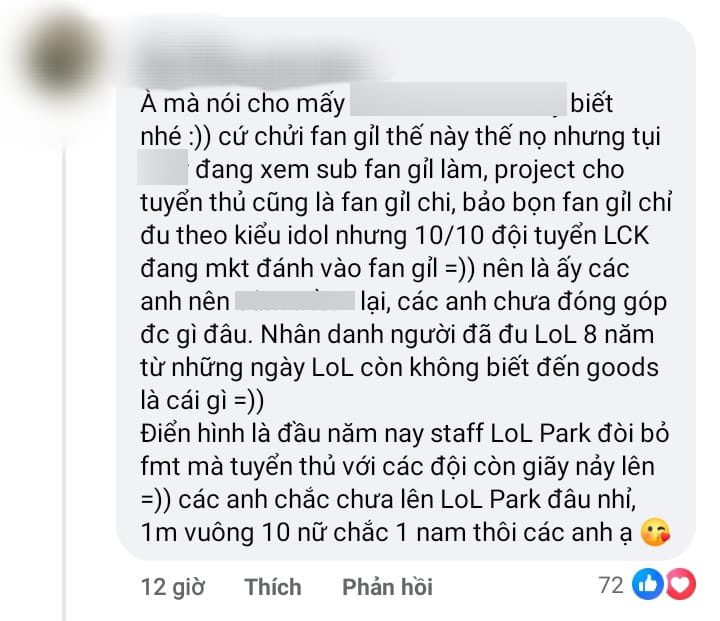
However, in reality, everyone understands that the income from donations on streaming channels or the purchase of products sold by teams (posters, corner cards, shirts, hats…) means a large portion of the revenue goes to the parties involved in printing and producing the products. The remaining amount after these costs belongs to the team and the players. As for donations, those are also paid to the crew and the platform. Therefore, for players in the LCK and LPL, the amount from donations or merchandise sales is only “a part” and not “decisive.” In fact, many players are willing to skip streaming sessions to rest or when they face issues while live.
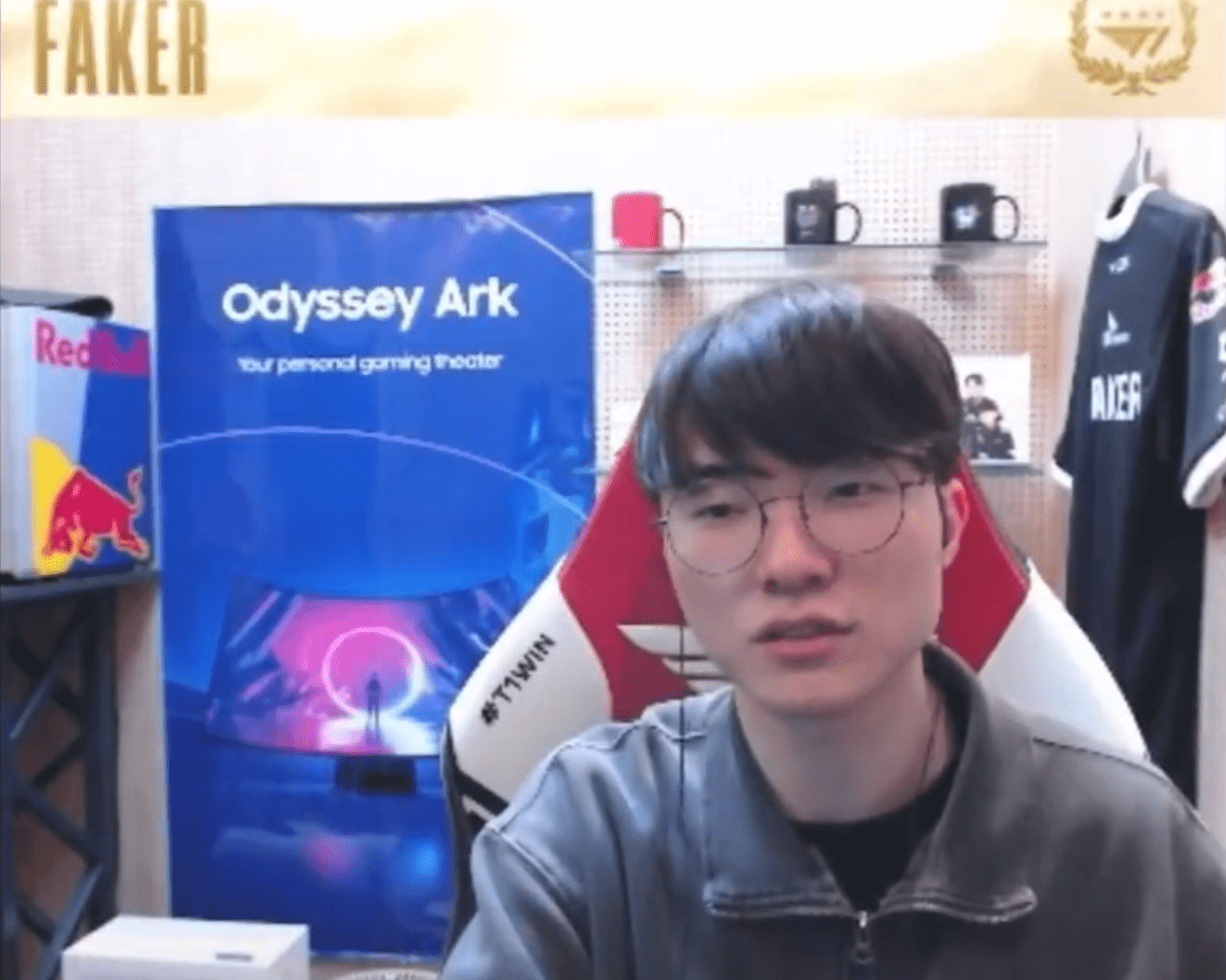
Not to mention, for a segment of fans accustomed to “idol culture,” debates surrounding their idols are often toxic. The recent controversy surrounding Peanut has drawn in several unrelated figures, such as Mai Dora and recently SofM. Meanwhile, the “main character” of the story, Peanut, is unaware of the debates happening about him in a distant country.
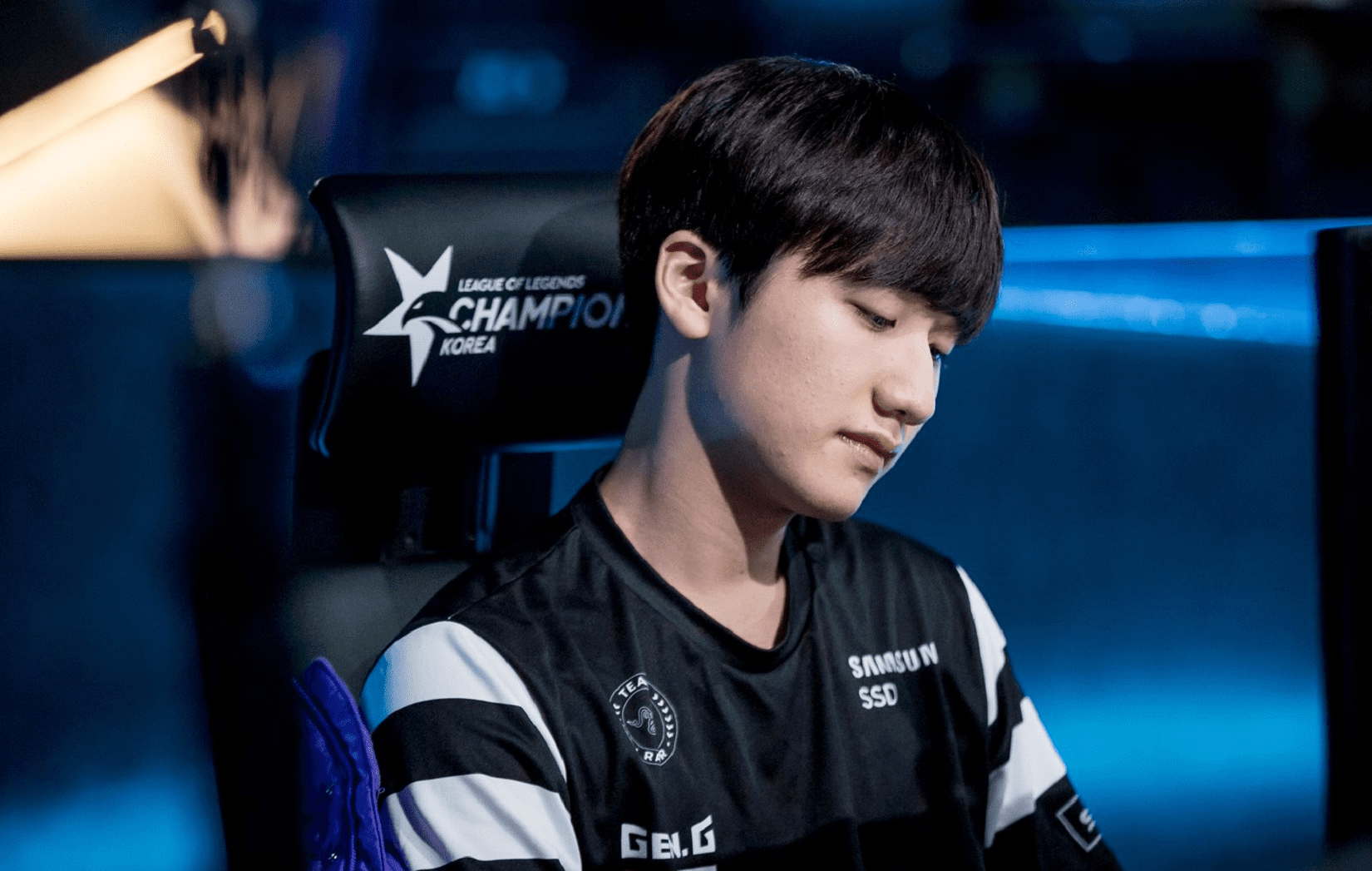
The “idol culture” is not inherently bad, and the increasing number of fans, especially fangirls, for players shows that League of Legends and Esports have spread widely. However, fans also need to exercise moderation, as toxic behavior not only creates conflicts within the community but also negatively impacts the players’ images in the eyes of the audience.