

In the vast universe of Jin Yong’s martial arts, “masters” are as numerous as fallen leaves in autumn, but the title “Master” is a unique pinnacle that few can reach. A Master not only possesses extraordinary martial arts skills but also must have the ability to establish a school, create entirely new martial theories, and above all, have a significant influence that shapes the evolution of martial arts through many generations.
They are not just martial artists; they are thinkers, the philosophers of martial arts. Below are four outstanding characters who truly deserve the title “Master.”
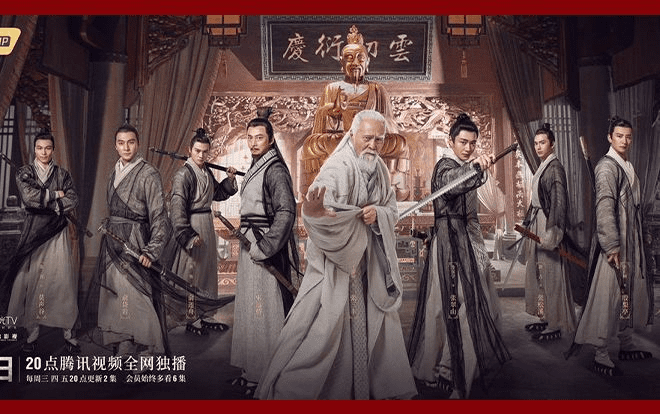
Bodhidharma
Although he never directly appeared, Bodhidharma is the great shadow that looms over all martial arts in Central Plains. He is regarded as the “founding ancestor” of Shaolin martial arts and, therefore, the source of most martial arts in the world. The saying “Martial arts in the world come from Shaolin” is the clearest evidence of his legacy.
Legend has it that he created two fundamental martial arts texts: the Yi Jin Jing (Muscle Change Classic) for internal strength training and the Xi Sui Jing (Marrow Washing Classic) for mental training and unblocking meridians. These are not only martial arts techniques but also methods of cultivation that reach the ultimate realm. Just laying the foundation for Shaolin Temple, transforming it into the “North Star of martial arts” for hundreds of years, is enough to affirm his unshakeable position as a Master.
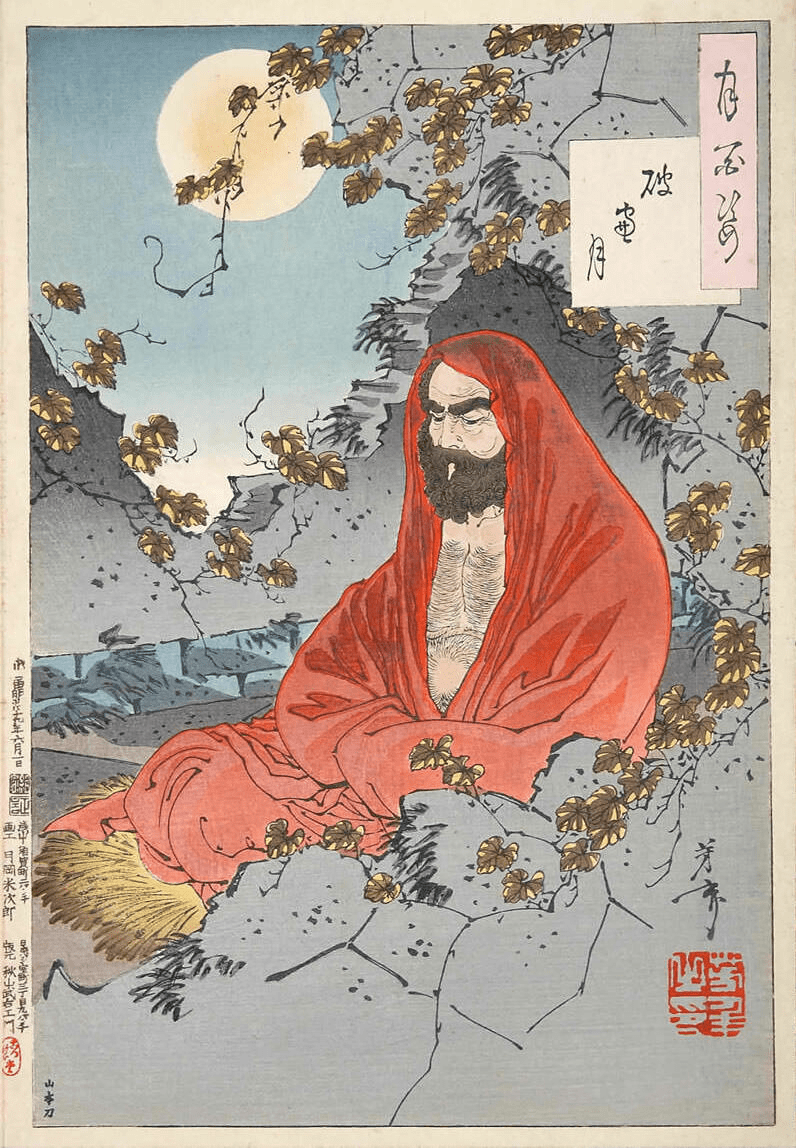
Dugu Qiubai
If Bodhidharma is the Master of martial arts in general, then Dugu Qiubai is the absolute Master of swordsmanship. His entire life is encapsulated in the four words “Seeking Defeat” – wishing to lose just once but never being able to. He did not establish a school, but the greatest legacy he left behind is the philosophy of the five realms of swordplay.
From Sharp Sword (keen and hard), to Flexible Sword (using softness to overcome rigidity), then Heavy Sword (using weight, “great skill not clumsy”), to Wooden Sword (no longer adhering to forms), and finally No Sword (no need for a sword, everything is a sword, the highest realm). This is a complete philosophical system of martial arts, deeper than any specific technique. This very system indirectly created two outstanding masters: Yang Guo (with Heavy Sword) and Linghu Chong (with Dugu Nine Swords, the realms of Wooden Sword/No Sword).
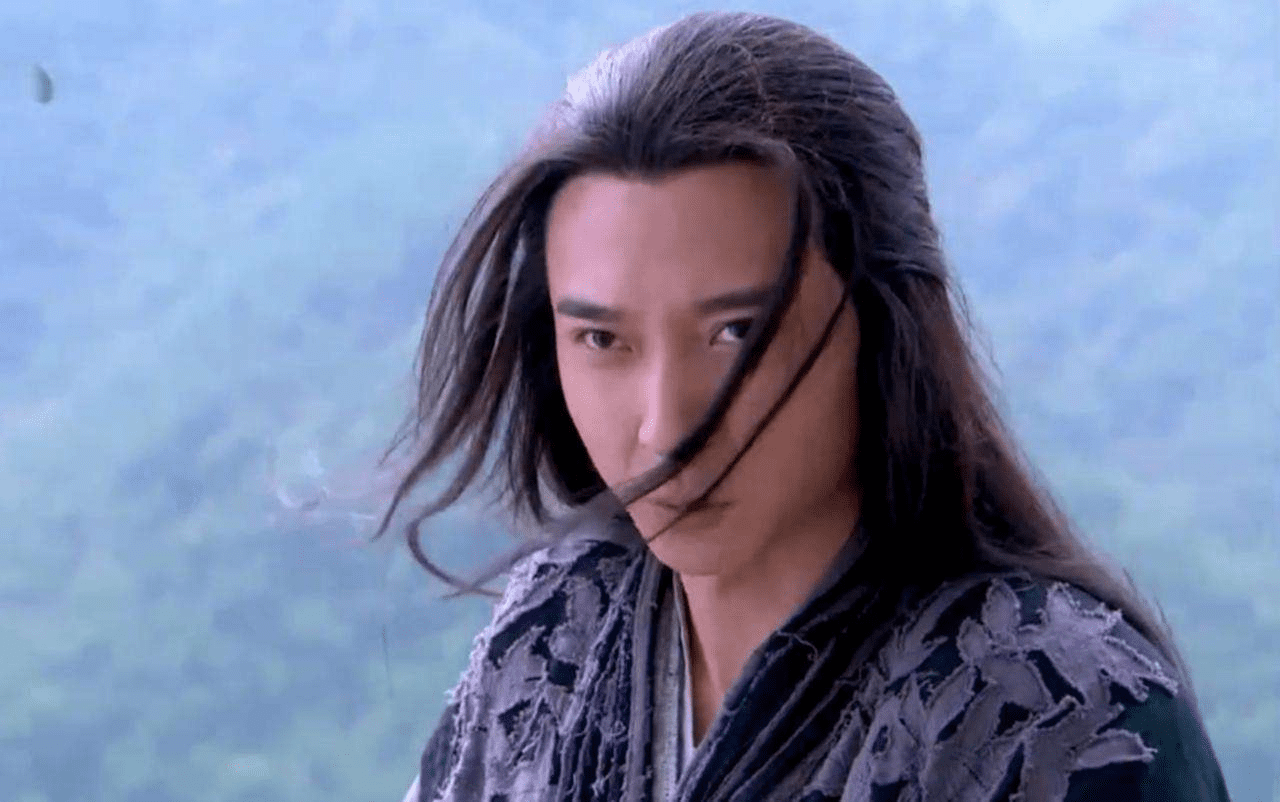
Wang Chongyang
Wang Chongyang is a Master of practicality. He not only won in the first Hua Shan Sword Debate, obtaining the Nine Yin Manual and the title of “Number One in the World,” but he also founded the Quanzhen School.
The greatness of Wang Chongyang lies in the fact that he did not keep martial arts to himself. He established a sect that combined superior martial arts (like the Primordial Energy Technique) and Daoist philosophy, making Quanzhen School the “Number One Sect” in the world at that time. He was not just a master; he was also a leader of the martial world, gathering heroes and shouldering the responsibility of resisting the Jin army. His legacy, through the Seven Disciples of Quanzhen, profoundly influenced the entire landscape of martial arts in The Legend of the Condor Heroes.
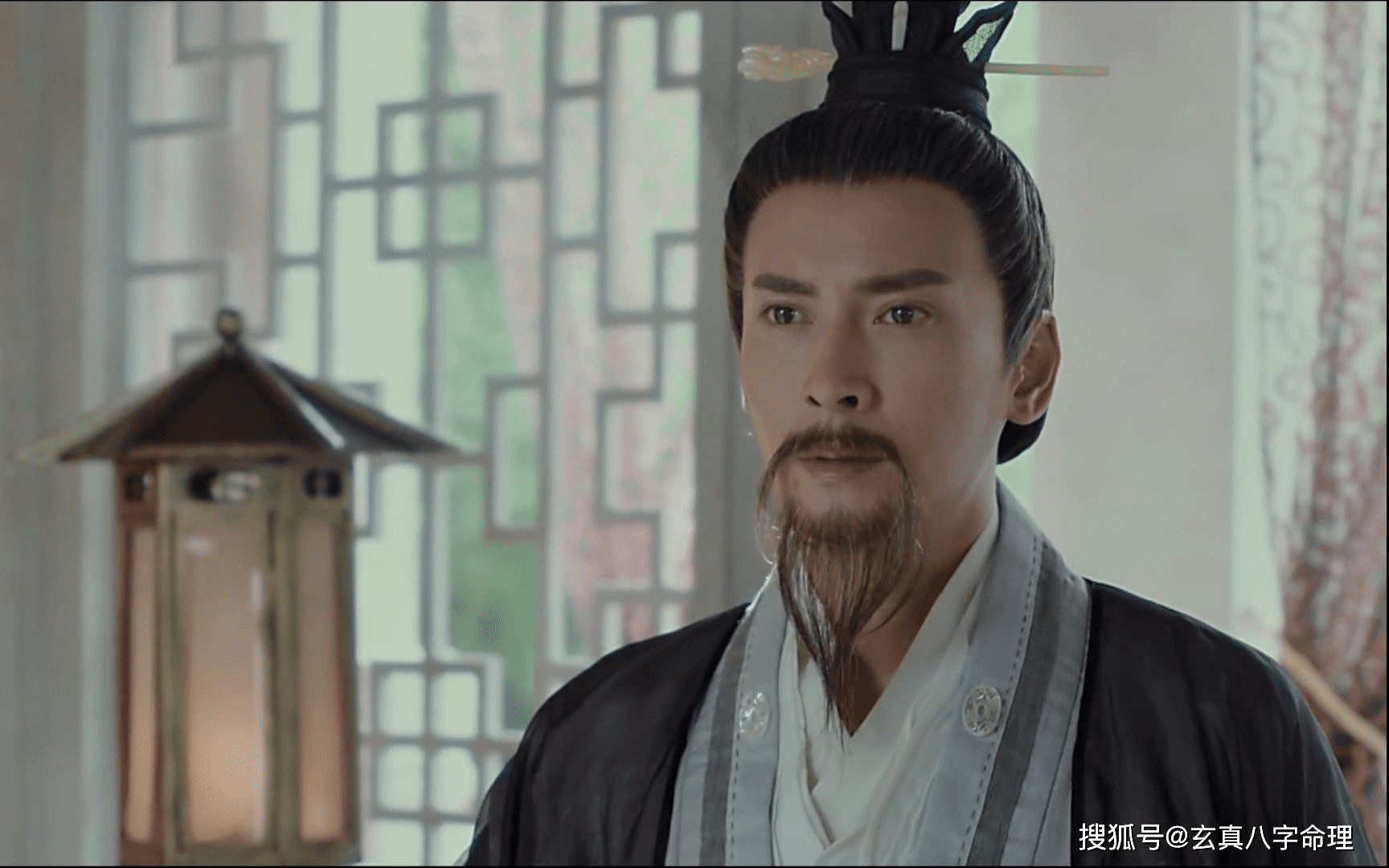
Zhang Sanfeng
If one had to choose a perfect model of a “Master” that encompasses all qualities, it would be Zhang Sanfeng (Zhang Junbao). Originating from a Shaolin disciple, he personally comprehended and broke free from the existing martial arts framework to establish the Wudang school.
Under his leadership, Wudang became a great mountain, another “North Star of martial arts,” standing alongside Shaolin Temple, which has a history of hundreds of years. The greatest legacy of Zhang Sanfeng is the philosophical martial arts system: Tai Chi and Tai Chi Sword.
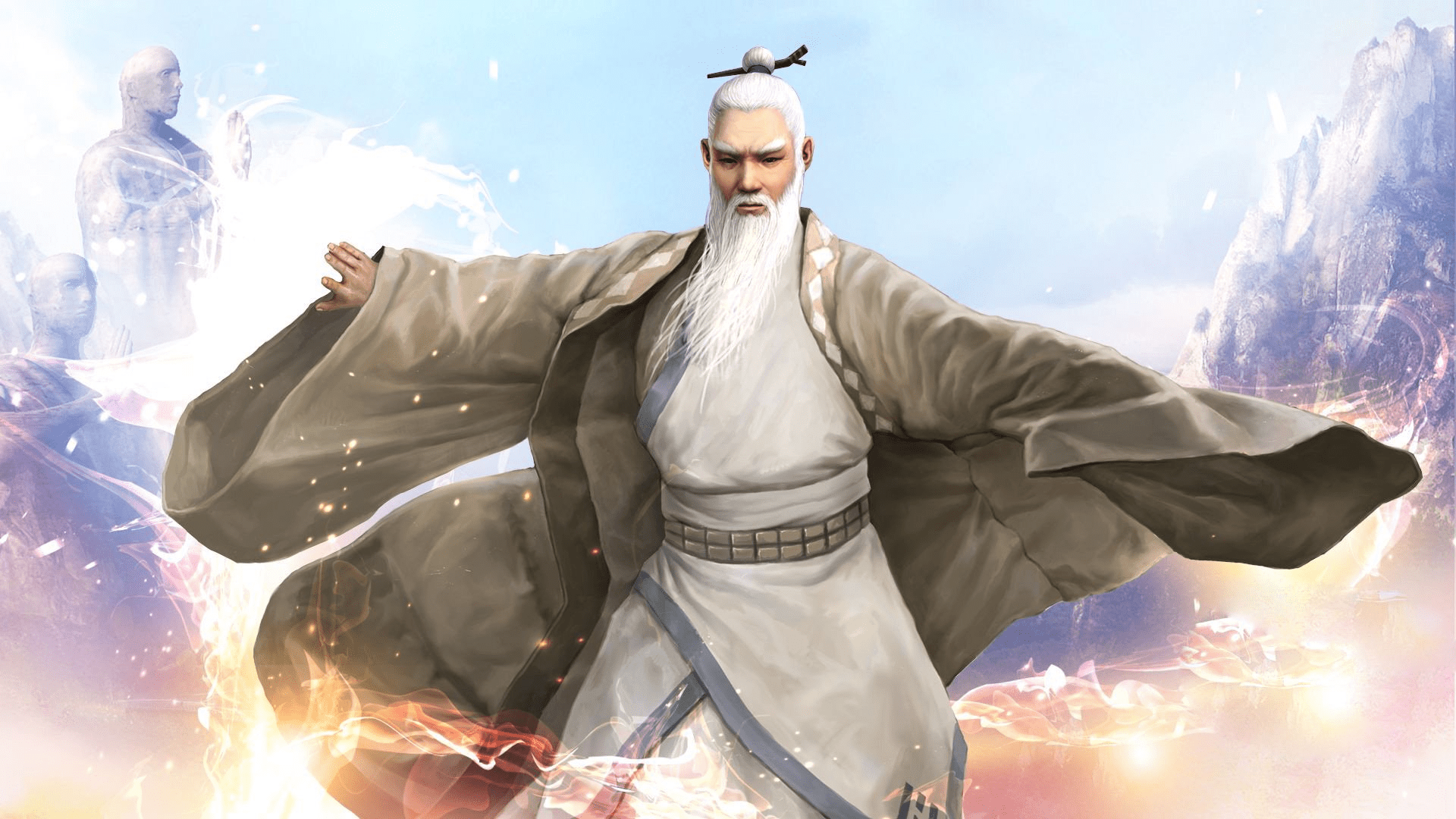
He founded a completely new martial arts school, taking “using softness to overcome hardness,” “later development over earlier,” and “no technique defeating technique” as the core. This is not just martial arts; it is a philosophy of the movement of the universe. Zhang Sanfeng is the most vivid and outstanding embodiment of the title Master.