
In recent days, there has been continuous debate surrounding ASIAD 2023. Initially, there was excitement because, for the first time, Esports in general and League of Legends in particular had the opportunity to become a medal event, but now the community feels somewhat disappointed. This is not only due to the implementation of version 13.12 at the tournament but also the issues arising from the competition formats and what national teams are facing.
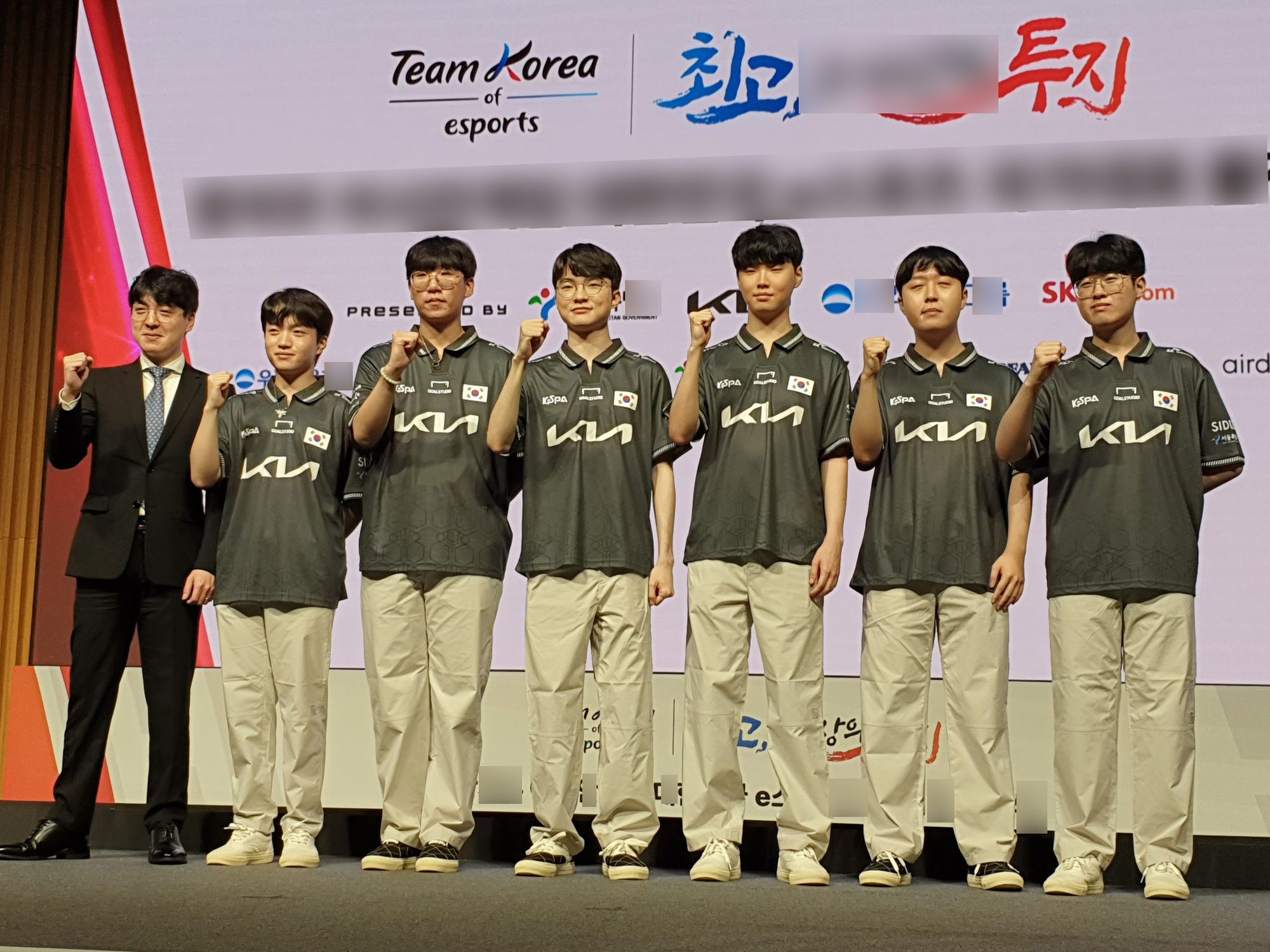
The first issue is the ambiguity regarding the format of the Road to Asian Games (RTAG) 2022 held earlier this year. At that time, teams were only informed about the seeding process. However, according to information from representatives of Chinese Taipei, the 4 seeded teams from RTAG 2022 went directly to the quarter-finals of ASIAD. As a result, due to a lack of information, many teams found themselves in a difficult position. South Korea, Vietnam, etc., may have to face each other in the group stage, with only one strong team from each group advancing.
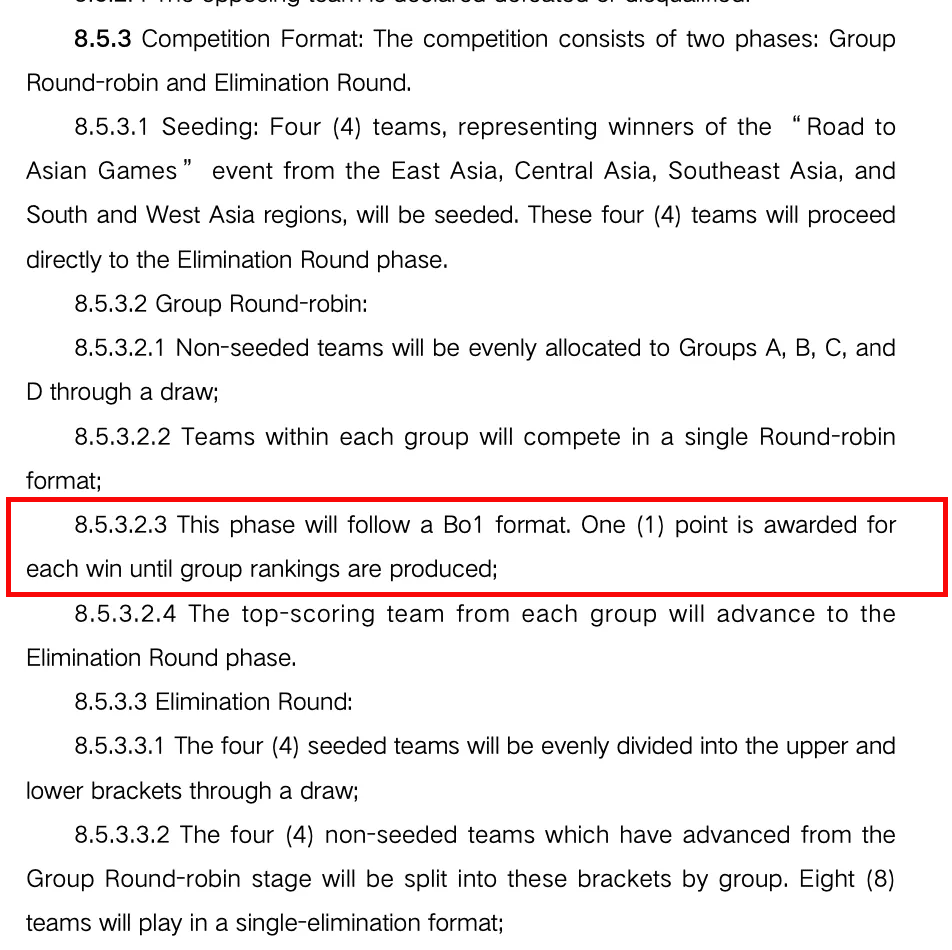
From here, the second shortcoming of the tournament is highlighted, which is the single round-robin format with each match being a BO1 in the group stage. In other words, this is a format that used to be seen in the World Championship but at a much higher risk level. Teams will only have a maximum of 3 opportunities, and stumbling in 2 out of 3 matches may lead to elimination. In some cases, teams might only lose 1 match and still be out of the tournament. Notably, the BO1 format has not been applied in professional League of Legends for a long time, except for the World Championship 2022. Even current domestic leagues mostly feature BO3 or have home-and-away matches.
It can be said that fans are extremely disappointed that the format consists of only BO1 matches instead of the exciting BO3 or BO5 matches seen in international Esports tournaments, particularly League of Legends. Nevertheless, there are still some opinions expressing sympathy, suggesting that this is the first year Esports is officially competing for medals. It is possible that the ASIAD organizers did not have enough time to research and come up with the most suitable formats. Not to mention, when held at the Asian Games, Esports must share its time with other sports.

Of course, even if fans are dissatisfied, it cannot be denied that ASIAD Hangzhou is indeed an important milestone for Esports. However, it is clear that the ASIAD organizers need to make more suitable changes in the future to align with the spirit of Esports.