

As has been reported, in 2025, Riot plans to merge several regions, leaving only the five largest regions in the League of Legends scene. Among these, CBLOL will become part of the Americas region while VCS will merge with PCS, LJL, and others to form the APAC region. This format has been implemented for VALORANT for some time. Riot’s goal is to move towards more sustainable development, with budget support allocated appropriately. Additionally, Riot aims to enhance the quality of MSI and Worlds tournaments as teams will have to compete more fiercely for spots at international events.
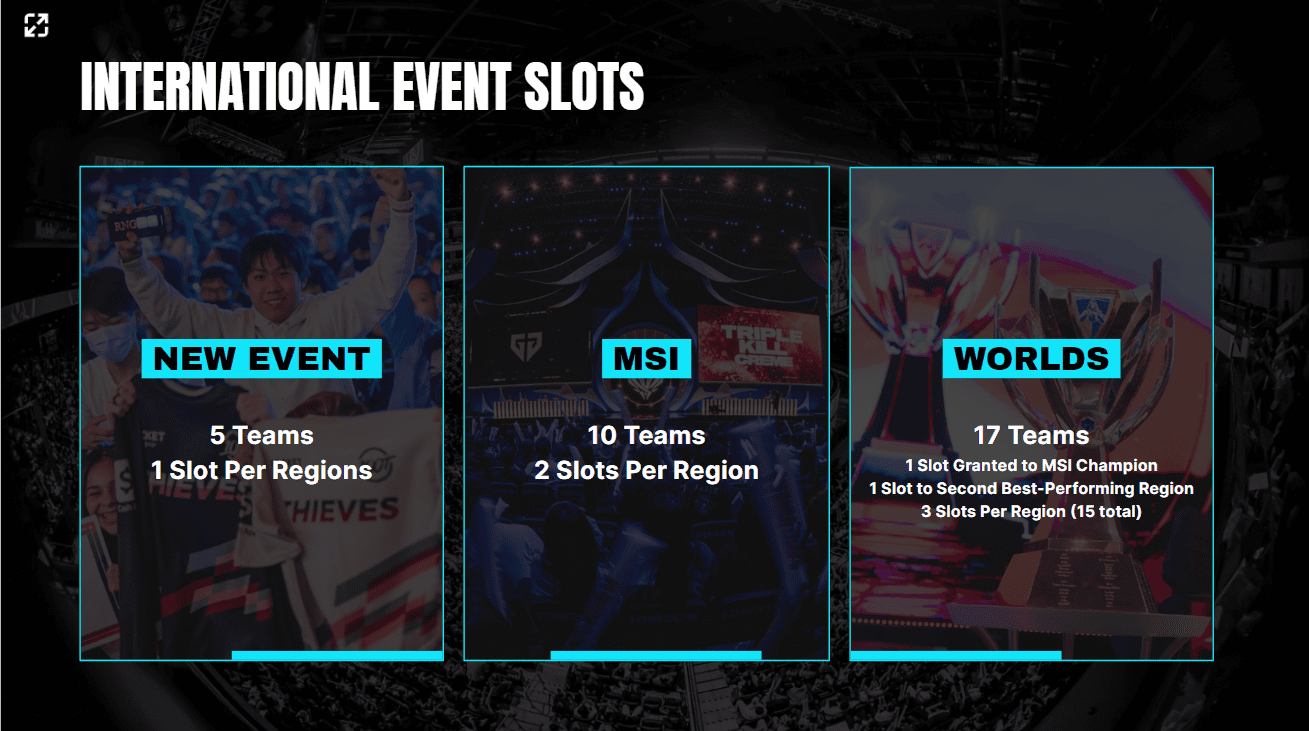
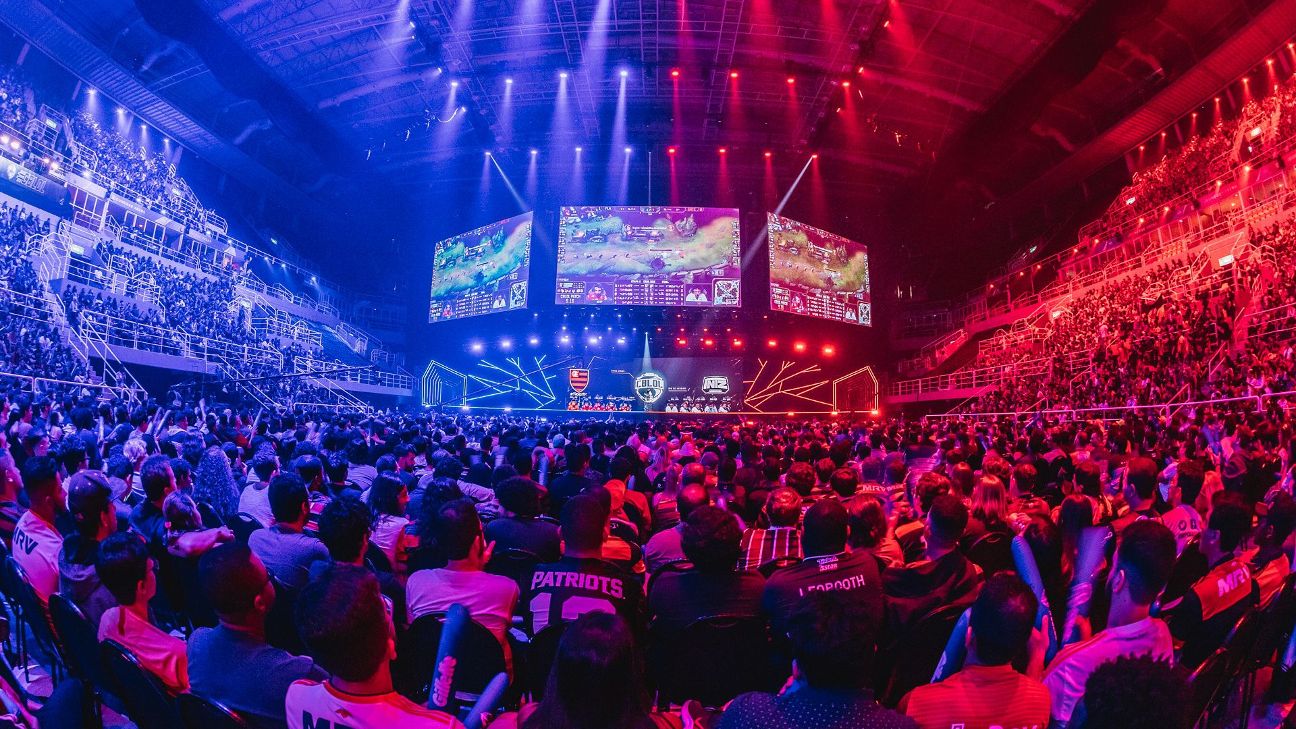
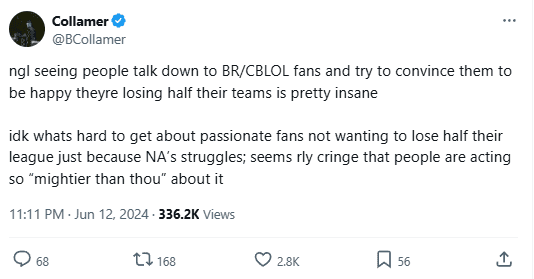
However, the international League of Legends community, especially in CBLOL, has shown a lack of enthusiasm, if not outright criticism towards Riot’s regional merger policy. It is well-known that CBLOL has been a region with significant growth potential in recent years. Although international achievements are not high, the tournament in CBLOL is organized on a large scale, with impressive audience numbers, comparable even to LoL Park in Korea.
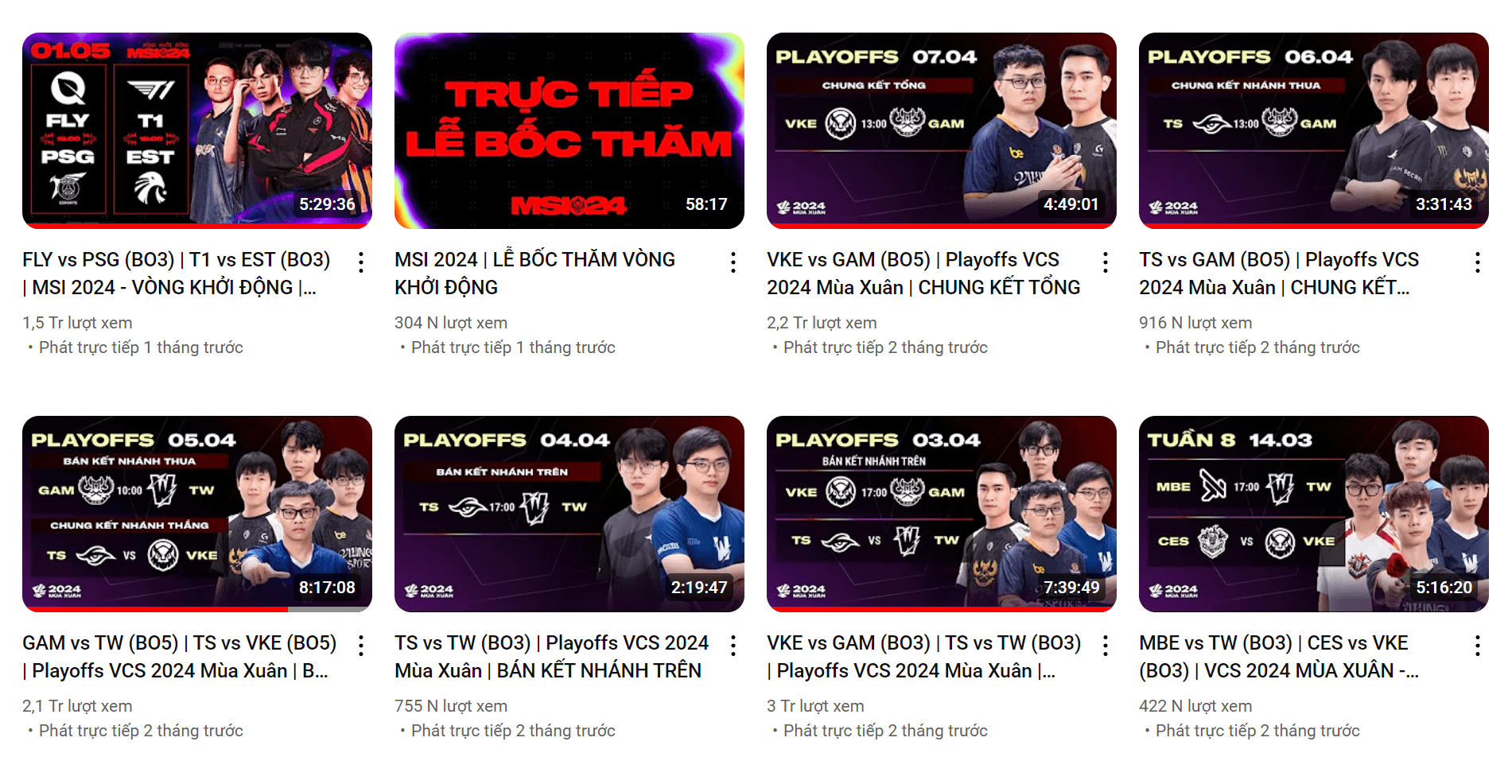
The same applies to VCS, although it lacks a dedicated stadium, fans here are very passionate about the tournament, and online viewership or participation in Viewing Parties is also quite high. For example, the live stream of the VCS Spring 2024 finals between GAM Esports and Vikings Esports reached over 2.2 million views, despite being a challenging and turbulent time for League of Legends in Vietnam.
If Riot merges the regions, many teams may struggle to compete for a spot in the APAC/Americas qualifiers or even disappear entirely. Notably, many viewers support a team not just for their achievements but also for various objective and subjective reasons, such as player performances or familiar names. Therefore, there are concerns that communities that are already strong, like CBLOL or VCS, could be negatively impacted when merged with less developed regions.
For example, in LCS, there are quite a few teams that have almost no fans in Vietnam or in major regions worldwide. Or in LJL, even in the Land of the Rising Sun, League of Legends is not a game of much interest. Moreover, due to the community’s inability to develop, Japanese League of Legends still relies on veterans like Evi, while the average skill level of players has stagnated or even regressed over the years, with no standout young talents.
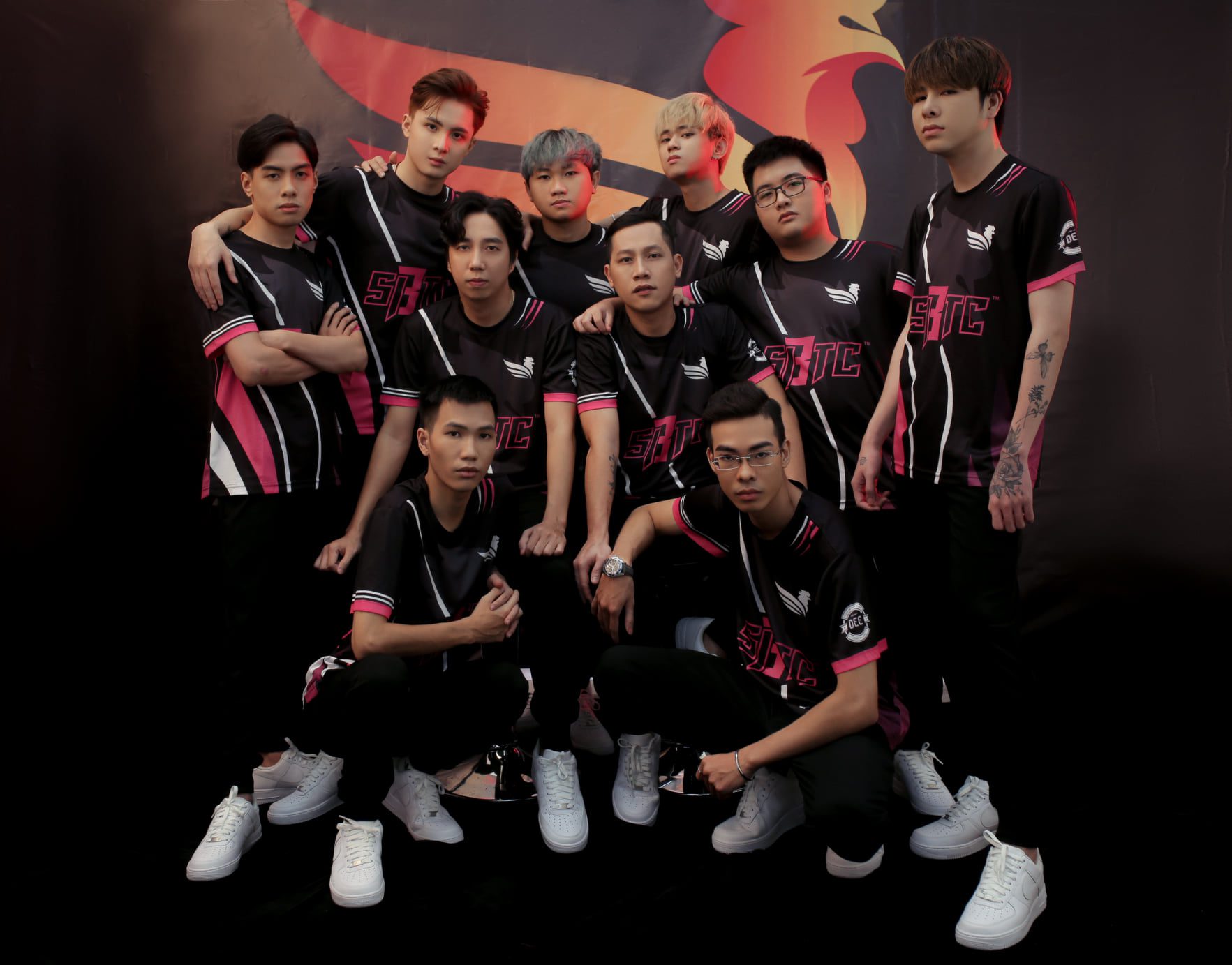
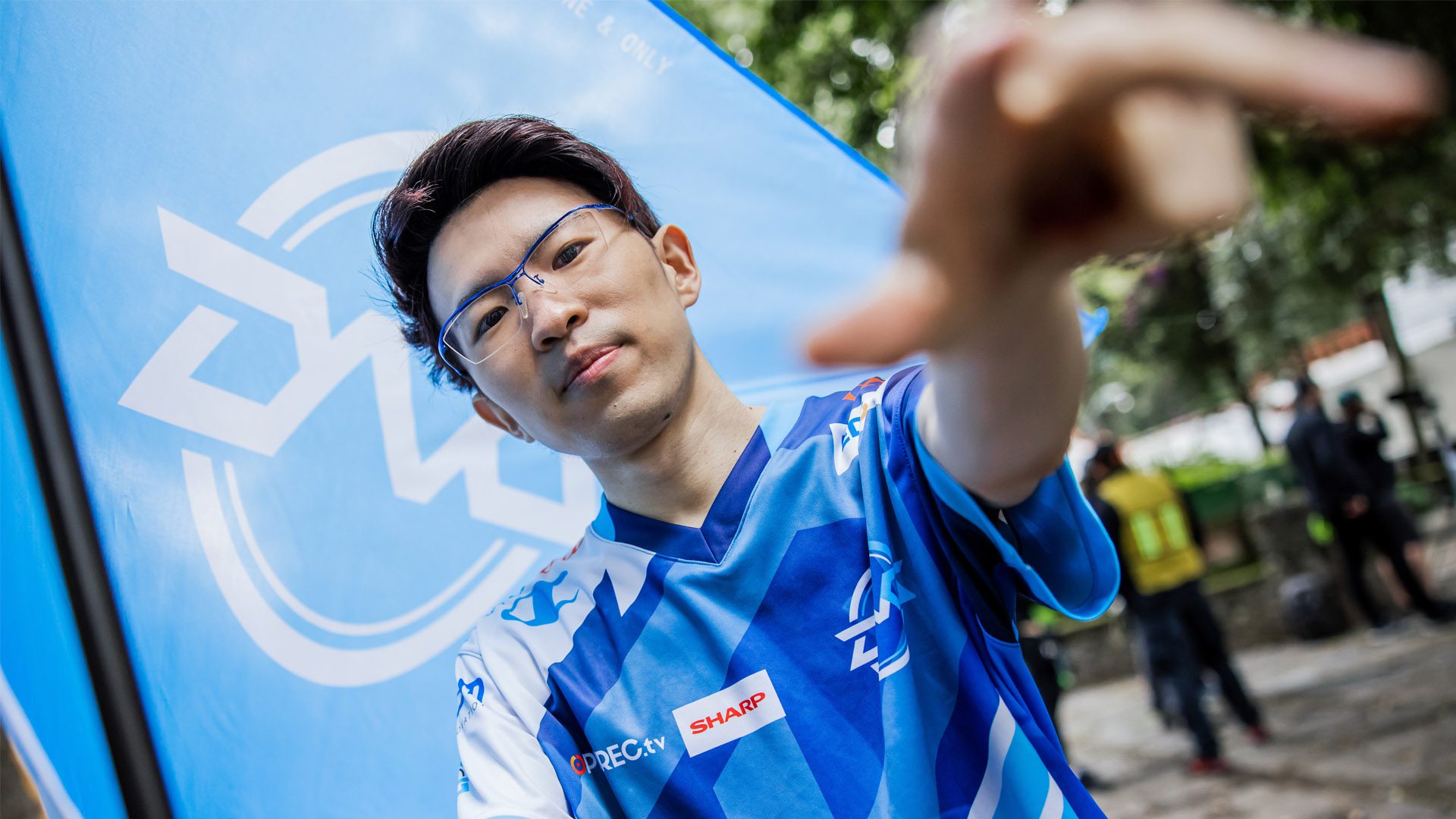
In the past, there have been teams that, despite not having significant international achievements (and not even participating in international tournaments), still had a considerable fan base, with SBTC Esports being a prime example. However, with Riot’s policies, such cases like SE may not be seen as often, and could even completely disappear if we look further into the future.