

Last week, alongside the intense matches of League of Legends tournaments worldwide, the community buzzed with another incident: Faker was game-thrown while live streaming his rank climb. The perpetrator was player Qingtian from Top Esports in the LPL – a league considered a rival to the LCK.

The incident sparked fierce debates from both the LCK and LPL as well as the global League of Legends community. Even experts and professional players weighed in on the matter. Most of them agreed that the quality of solo queue in Korea is declining. Part of this is due to the meta, and as Canyon – the superstar jungler from DWG KIA claimed: “Previously, players in Korean solo queue focused on macro, which is why the kill counts were low. Nowadays, that’s not the case anymore.”

Recently, Morgan – the top laner for BRO also spoke out about the incident. As a player who has competed in both the LPL and LCK, Morgan surely understands the habits of Chinese players and their rank climbing methods. “Sir” stated: “I empathize with Faker about the current state of Korean solo queue. Not every game, but sometimes it can be very bad. It’s hard to conclude, but what Faker said completely resonates with my own experiences in solo queue, so I understand his frustration.”
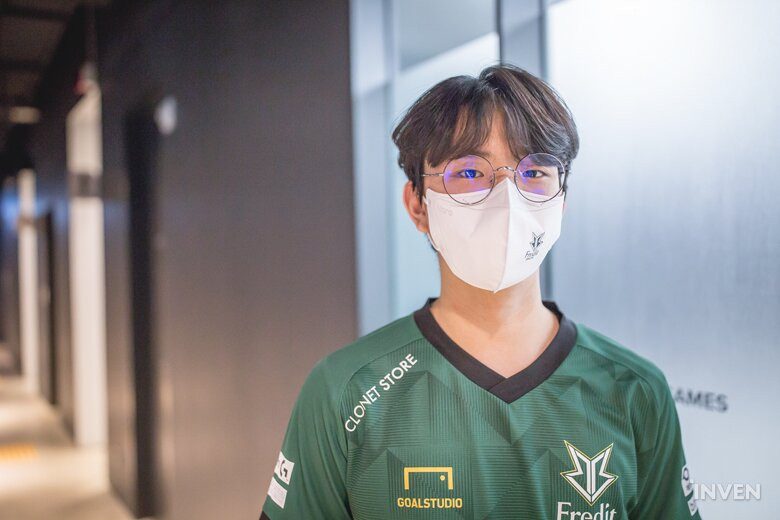
Morgan also affirmed that LPL players prefer playing in Korean ranks due to the higher quality. These players are willing to accept high ping. Morgan also mentioned that he has never played on the super server in China but believes that Chinese players often have tactics that make this server unsuitable for practice.
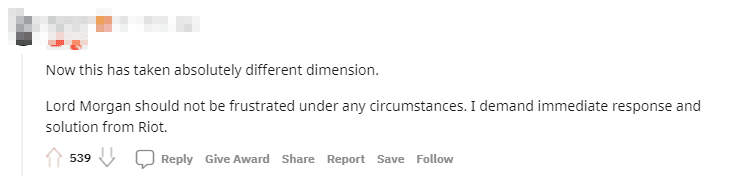
Naturally, Morgan’s comments immediately drew significant attention from the international League of Legends community. Some amusingly noted that now that both the “Demon King” and “Sir” have spoken out, Riot must take concrete action regarding the current state of Korean rank climbing.



However, one common point is that all players agree that the quality of Korean rank is not what it used to be. At this point, maybe Riot should seriously reconsider their management, especially regarding the penalties for violations (game-throwing, toxic behavior…) and whether they have truly reached their highest effectiveness.