

It can be said that the champions who are powerful and stand out in League of Legends tournaments are often studied and brought into ranked mode by many viewers. However, for many reasons, these champions tend to be strong only in tournaments, while in ranked matches, they are often quite weak.
Here are the main reasons for this difference:
Due to the lack of synergy between teammates
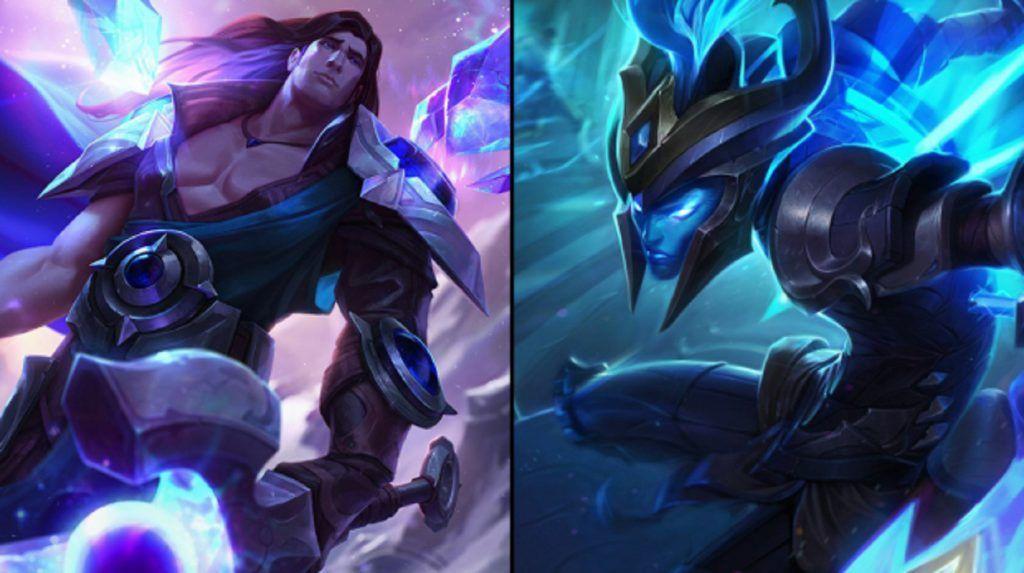
For example, in tournaments, the synergy between the two players, the marksman and the support, is often maximized. Not only that, they also practice for many scenarios and can communicate with each other during the match.
In ranked matches, however, players often can only ping or chat, making it difficult to understand each other’s intentions in time. A typical example is the duo of Kalista and any support champion; the support player can freely engage in fights without fear of dying thanks to Kalista’s ultimate, Fate’s Call, that pulls them back, and Kalista can also directly use her ultimate to bring the support into the fight. But in ranked matches, decisions are often made from one side rather than the harmonious combination of both.
Due to not understanding the champion’s essence
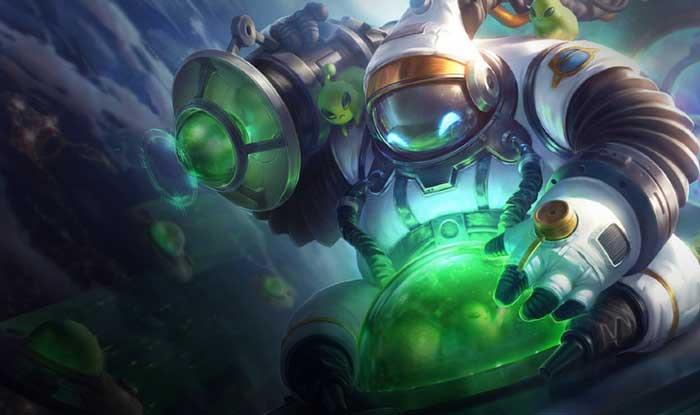
Recently, Bard has become a very hot name in tournaments worldwide. However, when brought into ranked mode, Bard is one of the strongest champions that can “throw the team under the bus” in League of Legends. Many players are unclear about what Bard can do and what he should do.
For instance, Bard can take advantage of his fast movement ability with Magical Journey as well as the chimes on the map; with that high speed, Bard can roam a lot to help teammates without worrying about falling behind in experience (because he moves very fast and collects some experience from chimes). Additionally, before roaming, Bard should leave some Caretaker’s Shrines on the lane for the marksman to recover while facing a 1vs2 situation.
In emergency situations, deciding where to use his ultimate, Tempered Fate, is also extremely important. For example, if the team wants a kill but Bard “golden” the enemy instead of the turret, or if the team wants to take the turret and Bard “goldens” the turret as well. If he doesn’t listen to his teammates, Bard can very well use his ultimate to “throw the team under the bus” drastically.
Due to the lack of coordination in banning and picking
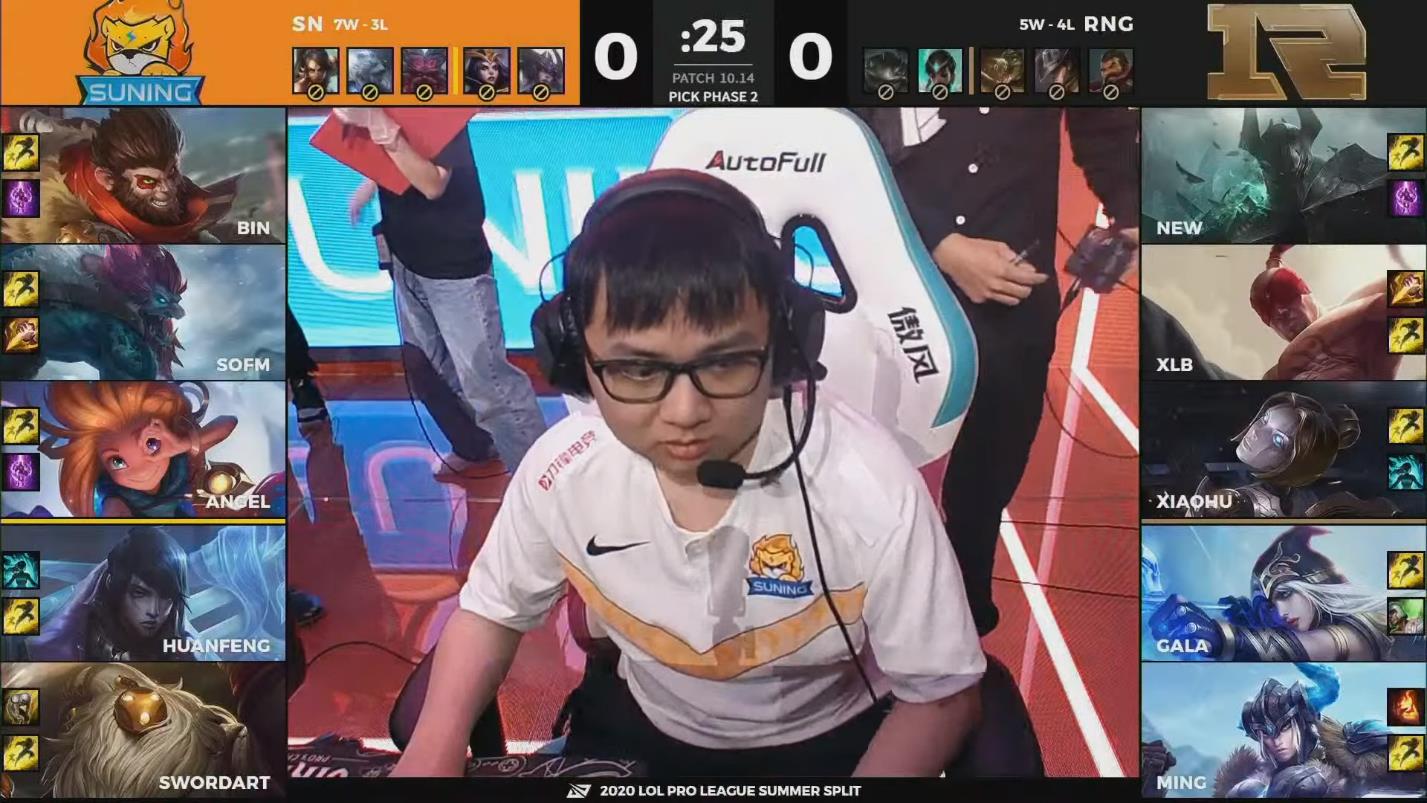
In tournaments, many believe that after the ban-pick phase, we can predict 70-80% of the match’s outcome. That’s because the ban-pick phase shapes both the strategy and the lane ability through each champion.
Conversely, in ranked matches, all five players often ban champions that… they dislike, or some may even skip banning because… they are confident and not afraid of any champion. Therefore, when entering the match, some powerful champions like Ornn have a hard time unleashing their full power if their ultimate is blocked by champions like Braum or other specific champions. Or strong champions like Varus might not have a supportive champion to protect them, resulting in them getting eliminated before they can even poke.
Due to differences in skill and champion proficiency

This is one of the most common reasons; the champions chosen in tournaments are often practiced by the team dozens or even hundreds of times. This allows the players and the team to understand when that champion is strong or weak, how long their cooldowns are, what to do in fights, or what items to buy.
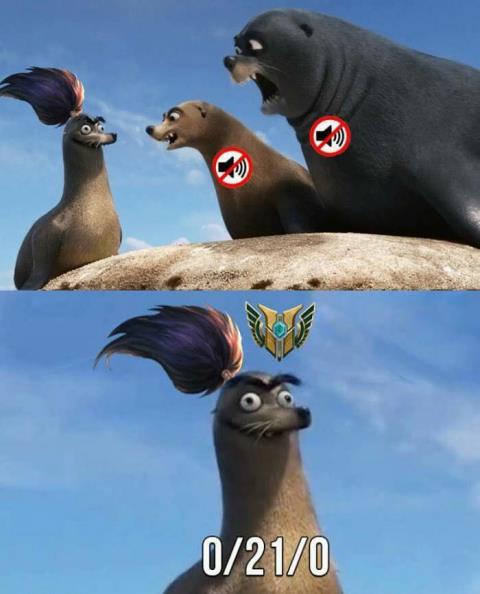
In contrast, in ranked matches, many players often bring champions they have only played once in normal matches, or even… just bought the champion and have never played a match before bringing them into ranked. Yasuo is a quite typical example of this issue in the Vietnamese server.
In the end, there are many other small factors, but the reasons above are the most common for the disparity in a champion’s strength in tournament play and ranked matches.