

In recent seasons, the salary cap issue in the LCK region has been a hot topic among fans. This is because the LCK and LPL are two regions with the most developed League of Legends scenes. However, the LPL has implemented a salary cap for a long time. Meanwhile, the LCK has remained relatively lenient regarding team and player salaries. But as economic conditions have worsened and teams struggle to find sponsors, regional leaders have decided to take action.
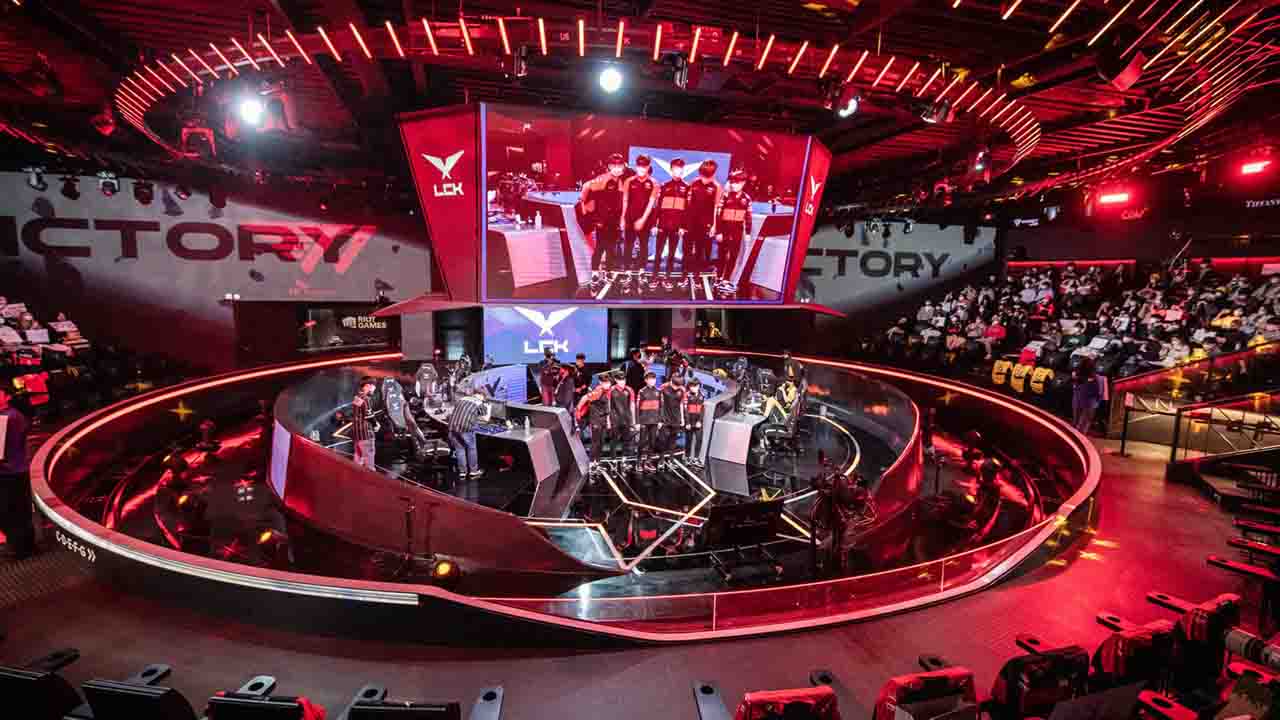
Accordingly, LCK has announced the Sporting Financial Regulation (SFR), setting limits based on the total salaries of the five highest-paid players in a team. Players who are substitutes or have salaries lower than these five will not be counted towards the salary cap. If the total salary of the five highest-paid players exceeds the limit, that team will have to pay a tax (yet to be announced). This tax will then be distributed to teams that stay within the allowable salary limits (not exceeding or reaching the cap).
However, many opinions suggest that even within this regulation, there are several clauses favoring long-standing, high-achieving players in the LCK, especially Faker. Specifically, the exceptions in this regulation clearly state: “Players who have won the LCK five times or more or have won an international tournament three times or more (in this case, MSI and the World Championship) will have their team’s salary cap for that player reduced by 50%. Additionally, players who have played for the same team for three years or more will receive a 30% reduction when calculating the salary cap.”
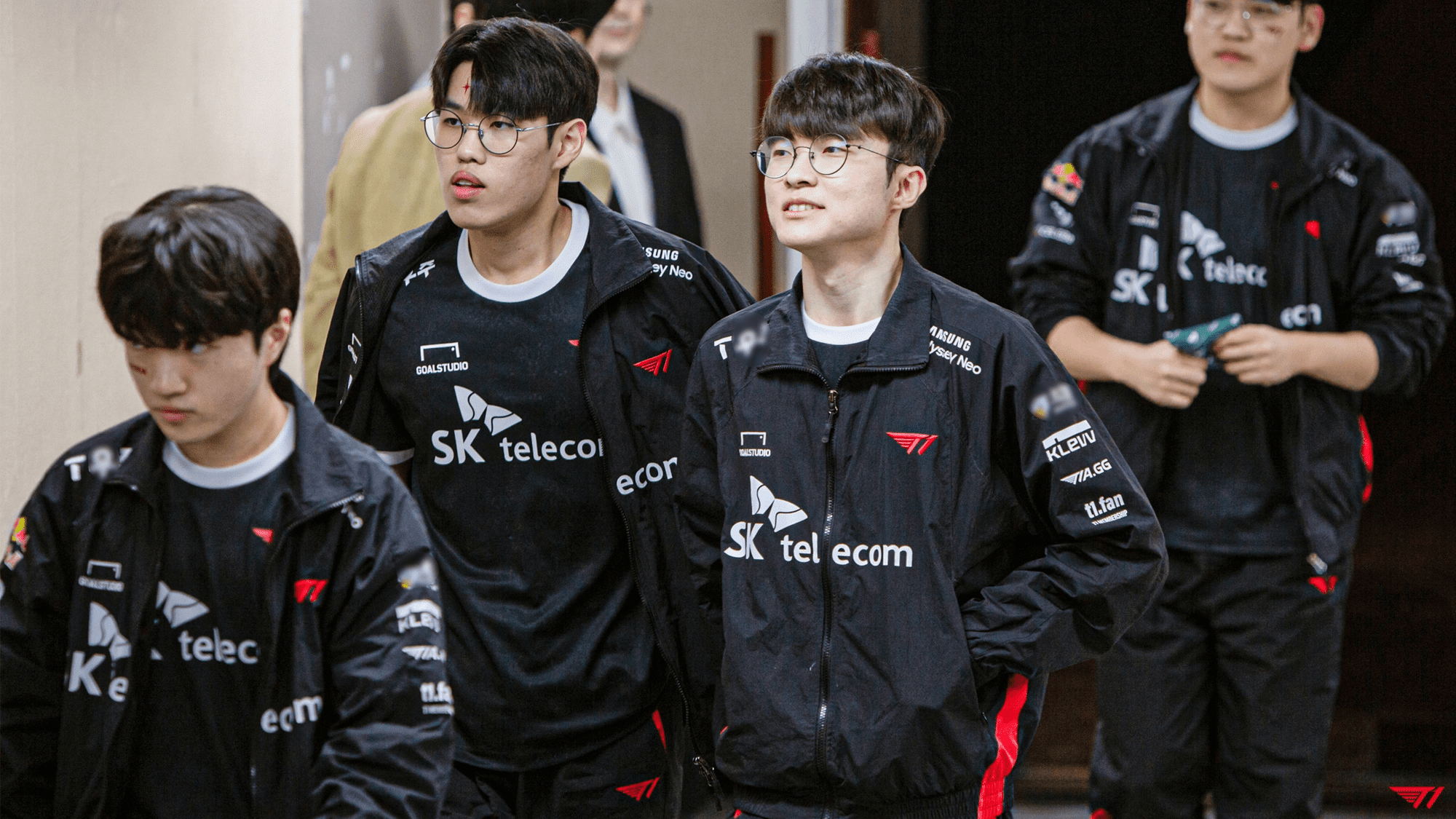
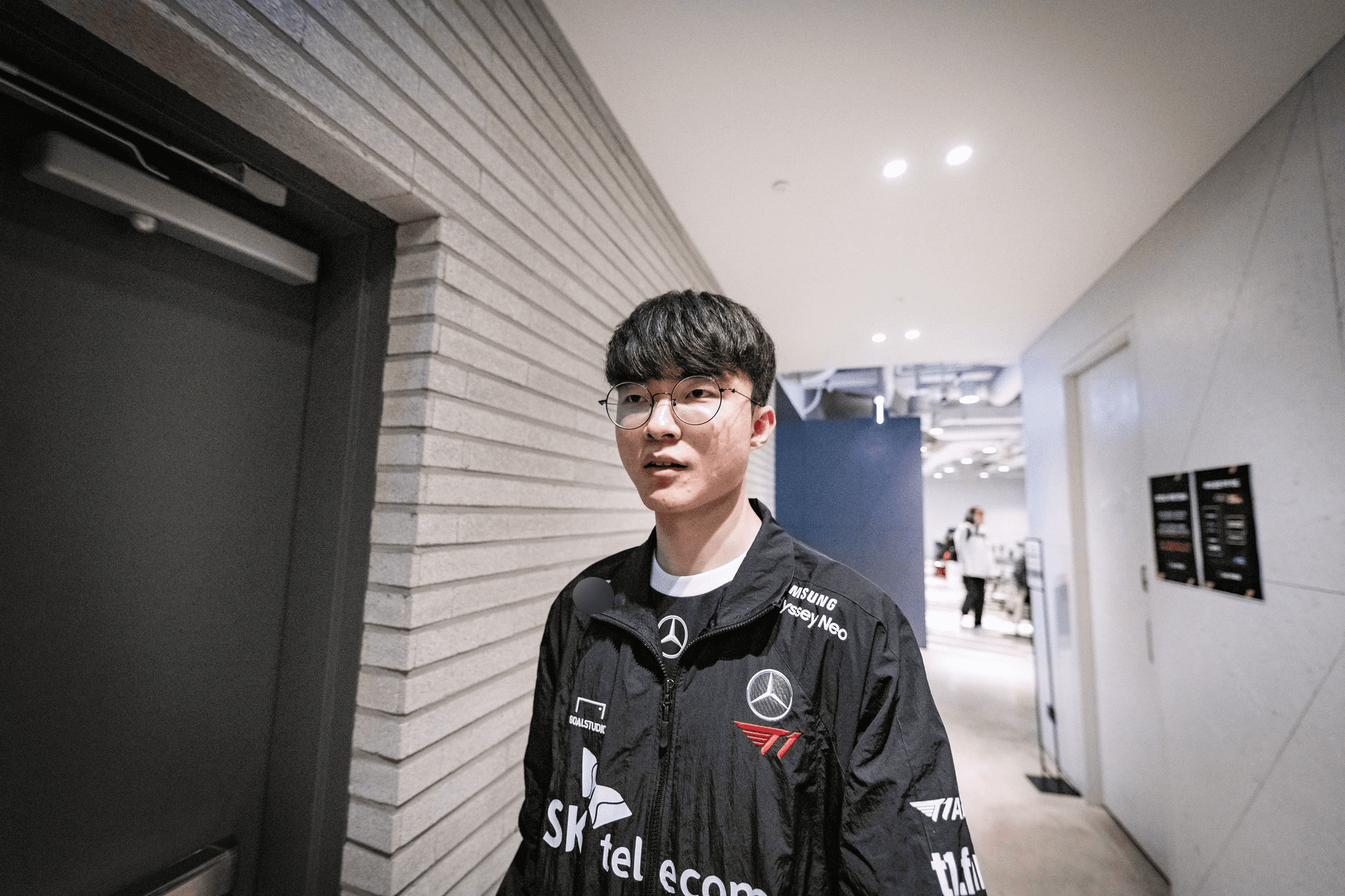
With these exceptions, the League of Legends community believes this is a “favor” from LCK for Faker. According to the provided example, Faker meets all of the criteria (having won the LCK five times or more, won an international tournament three times or more, and played for one team for three years or more), so T1’s salary cap will be equal to 50% of Faker’s salary plus the four highest-paid players.
Of course, these provisions may be adjusted in the future. Nevertheless, it can be said that this is an effort by the LCK to rebalance the salary fund that has long caused headaches for teams, especially as the world continues to cope with the aftermath of the pandemic and economic downturn.