

November 13 – one day after Ly Zi Qi released her latest two videos [on lacquer crafting and making a changing room in the woods] after a 3-year hiatus from social media – ‘The Country Fairy’ left netizens in China ‘in a wave of worry’ with images of her pale face.
“Ly Zi Qi’s Dedication Has Reaped Sweet Rewards”
In an interview with Chinese media, Ly Zi Qi stated that it was due to a ‘workplace accident’ while she was learning to make lacquer and filming this 14-minute video.
“This creative process brought me both pain and happiness. After my first contact with lacquer resin, I could not avoid an allergic reaction: Swelling, bumps appeared all over my face and limbs. The bumps caused itching all over my body, discomfort, and insomnia. At one point, the whole crew had to go to the hospital for allergy shots” – Ly Zi Qi shared with the media.
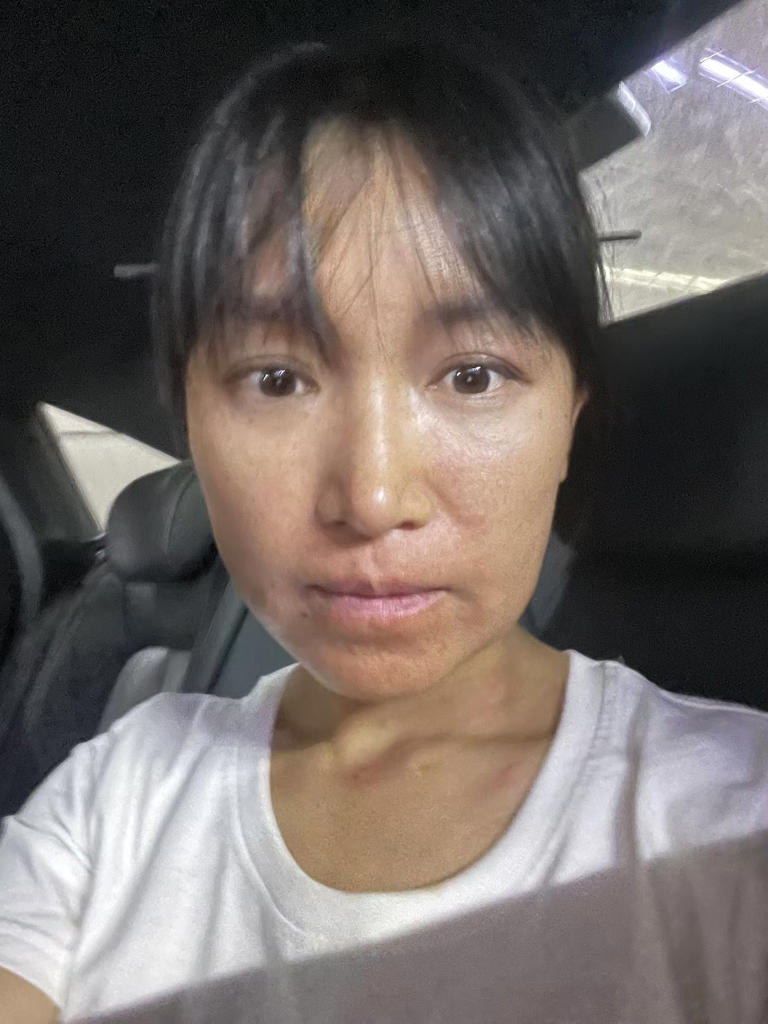
The swollen face of Ly Zi Qi when allergic to lacquer. Photo: Provided by the character/MSN
According to Shandong Newspaper, quoting information from the Chengdu Lacquer Craft Workshop (Sichuan Province), it stated: Many years ago, a wonderful opportunity brought Ly Zi Qi to the Chengdu Lacquer Workshop, and both sides visited Master Yuan Li Ping – a national heritage heir – to learn about the authentic lacquer art, which is recognized as a precious national intangible cultural heritage, with extremely difficult techniques such as carving and decoration.
“The difficulty of lacquer is that not many people can endure it. To embrace the 8,000-year-old lacquer art of China, mere affection is not enough. One must have a special passion for ‘Carved Flowers Hidden in Lacquer’, and truly immerse in the essence of the multi-layered yet serene and warm traditional Chinese culture.
Some people often take 3 years just to begin with lacquer art. Some take a decade to grasp all the essence of lacquer art and understand the ‘soul’ that cannot be expressed in words after each meticulous work created.
The first time I met Ly Zi Qi, I thought she would give up. I was surprised that she showed remarkable perseverance in the process of learning lacquer. The energy from her optimism and dedication eventually bore fruit. I was truly moved” – Master Yuan Li Ping shared.
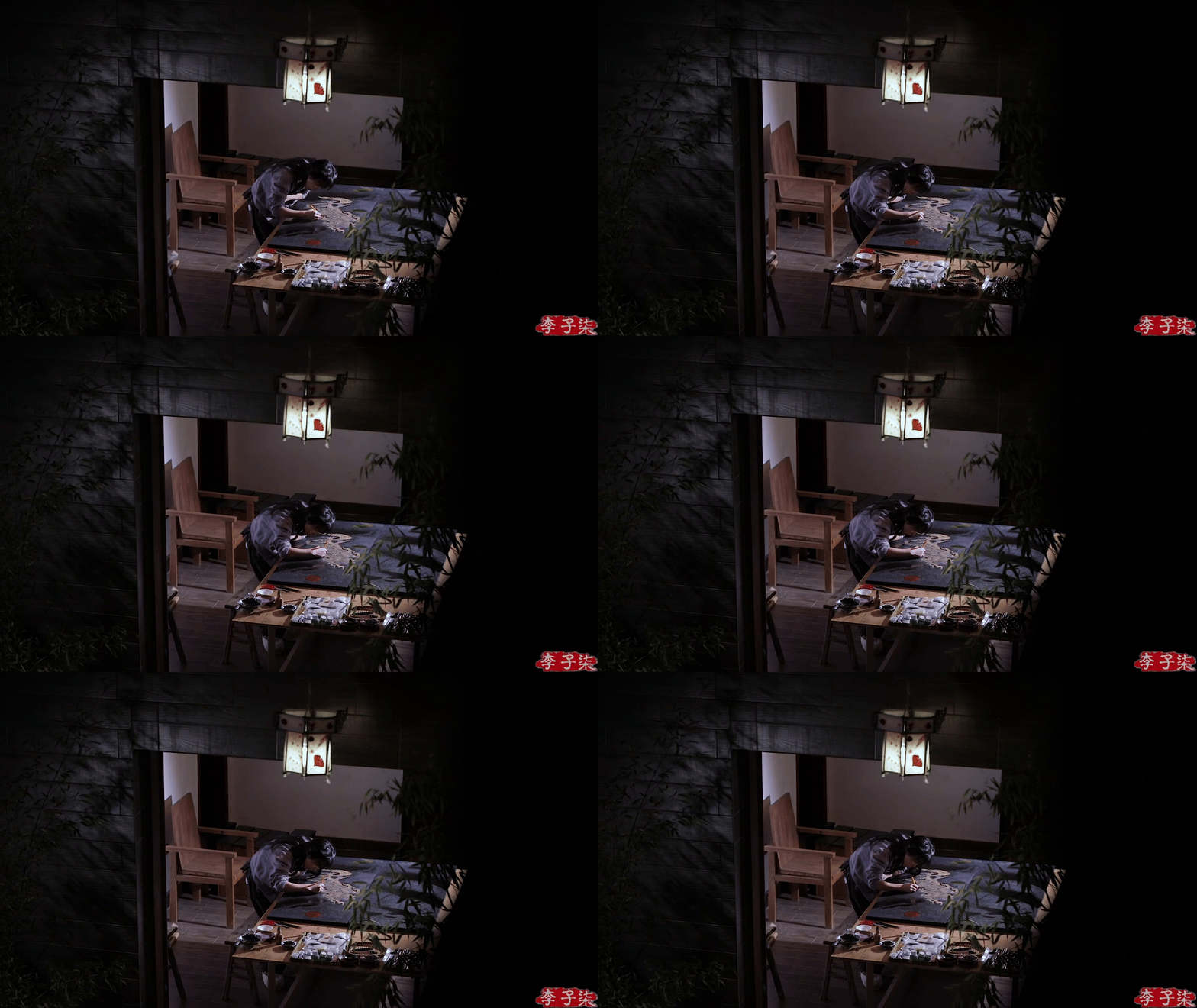
A GIF from Ly Zi Qi’s Weibo showing her making a purple lacquer cabinet. Source: CGTN
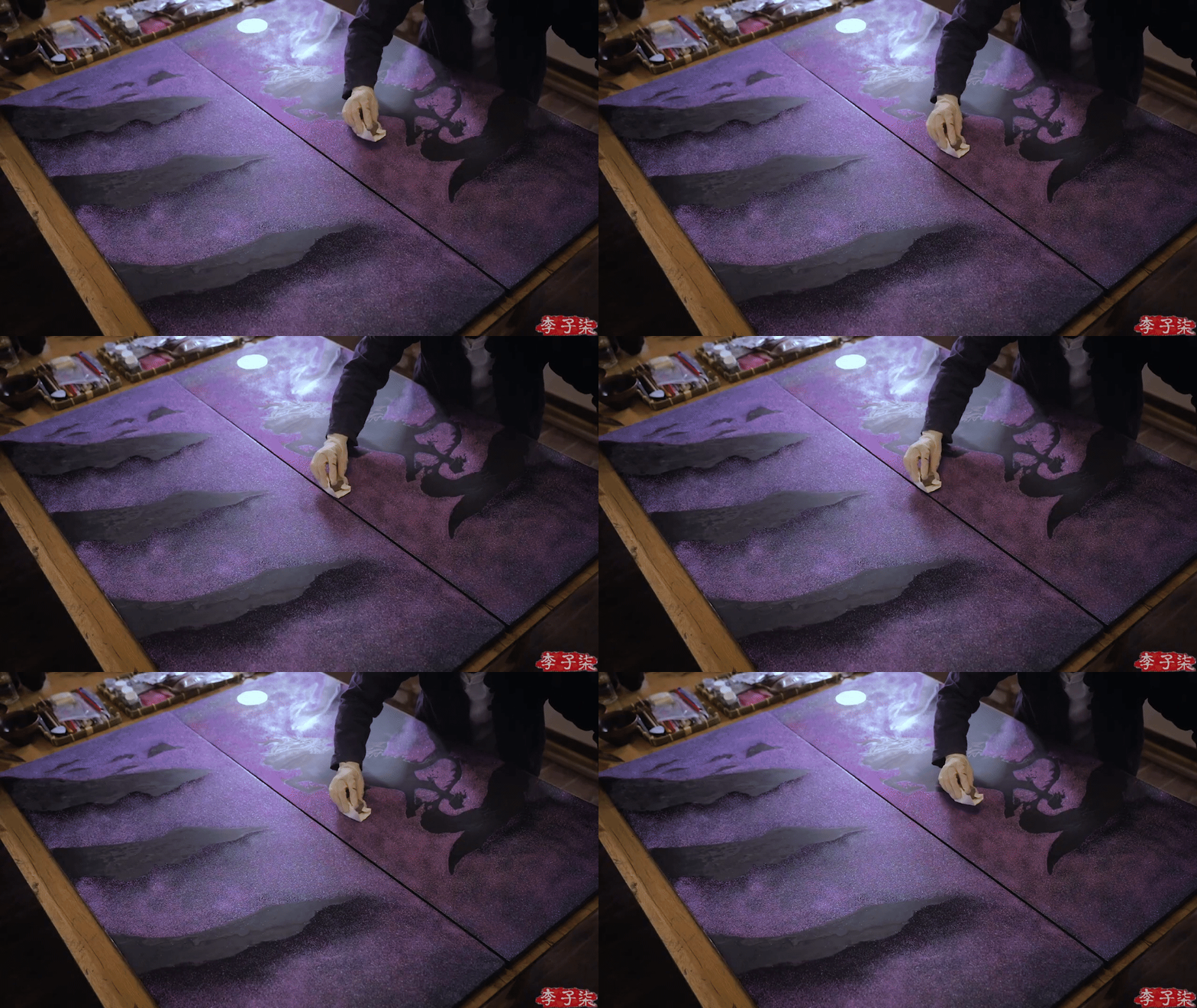
A GIF from Ly Zi Qi’s Weibo showing her making a purple lacquer cabinet. Source: CGTN
According to MSN, Ly Zi Qi has taken the 8,000-year-old Chinese lacquer art as the theme for her 14-minute video, which took half a year to complete, vividly showcasing the aesthetics and unique craftsmanship of Chinese lacquerware.
When introducing her newly released lacquer art video, Ly Zi Qi revealed that she named the lacquer piece with hidden flower carvings on her grandmother’s cabinet “Purple Air from the East”.

To achieve these beautiful moments in the 14-minute video, Ly Zi Qi had to study and perform it for half a year. Clip taken from the video.
The charm of Ly Zi Qi comes from her poetic depiction of rural life, characterized by the culture and aesthetics of China. The slow-paced rural life, akin to a fairy tale, her traditional cooking techniques, and cultural activities have attracted a large following both domestically and internationally.
In 2020, Ly Zi Qi set the Guinness World Record for the most subscribed Chinese language YouTube channel, with a total of 11.4 million followers at that time. This number has now exceeded 20 million, according to CGTN.
So, what is lacquer resin? Why does it cause allergies?
Data from Baidu Encyclopedia indicates that the Chinese lacquer tree (scientific name: Toxicodendron vernicifluum) grows in southern regions from southern Gansu to Shandong. These are areas with humid temperatures and environments very suitable for the lacquer tree to develop. Broadly, the lacquer tree is mainly distributed in Eastern and Central Asia, in other countries like Vietnam, Korea, Japan, Myanmar…
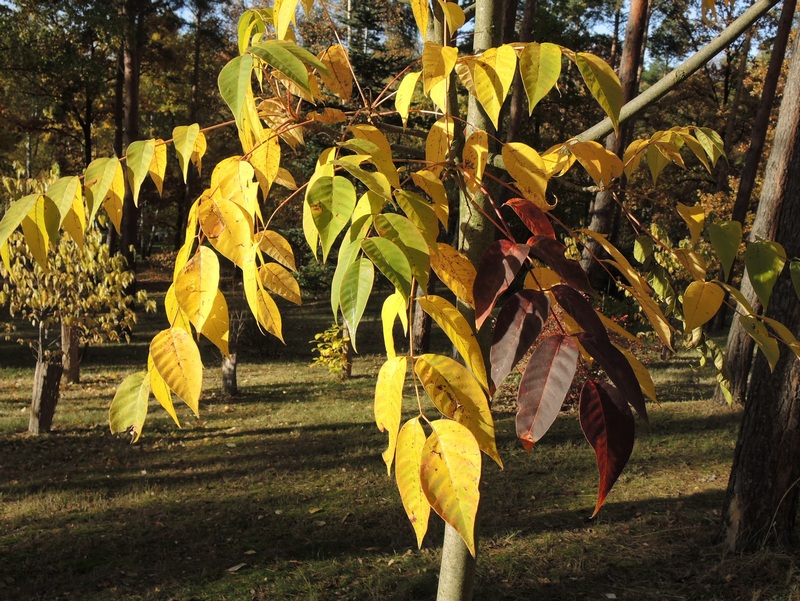
The Chinese lacquer tree.
Chinese lacquer resin is a pure natural liquid paint, opaque white in color, harvested from lacquer trees by cutting the trunks. This liquid paint gradually turns brown when exposed to air and dries to harden within about 4 hours.
“White as snow, red as blood, black as iron” is a saying Chinese people still use to describe the process of natural lacquer resin from a liquid state to oxidation and drying; the color transitions from light to dark, ultimately forming a durable lacquer film.
Chemical experts analyze: As the main film-forming agent of lacquer, the molecular structure of urushiol contains aromatic hydrocarbons and long fatty side chains. Therefore, urushiol has dual properties of being fragrant and oily, along with very remarkable physical and chemical properties.
The lacquer film possesses countless outstanding and superior features such as hardness, gloss, unique durability, corrosion resistance, abrasion resistance, heat resistance, oil resistance, water resistance, acid resistance, solvent resistance, and especially excellent thermal and electrical insulation, hence the economic value of lacquer resin is very high.
At the same time, it is widely used in coating handicrafts, furniture, equipment, agricultural machinery, and is also present in chemicals, textiles, and other industries.
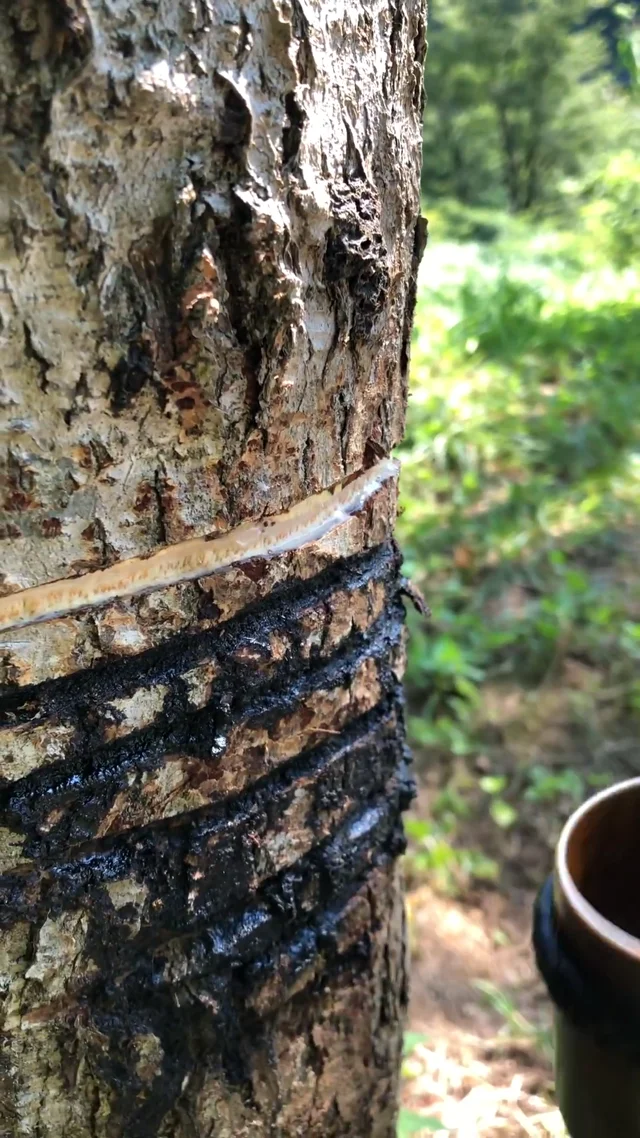
The resin from the lacquer tree is highly toxic but offers incredibly superior properties in return.
The main chemical component of lacquer resin is urushiol. The solution of lacquer resin cut from lacquer trees includes: Urushiol, nitrogen, liquid, and a small amount of volatile acids, of which nearly 80% is urushiol. The enzymes in the nitrogen-containing substances of lacquer can promote the oxidation process of urushiol, creating the unique light sour taste of lacquer.
However, the most noteworthy feature is that urushiol in lacquer is highly toxic and can cause allergies in humans. [In return, the higher the urushiol content, the better the quality of the lacquer.]
Lacquer resin can cause allergies at varying levels. The reason why lacquer resin causes allergies in people is still not well understood. The primary cause is the presence of urushiol and various volatile substances in lacquer resin.
The main pathways through which allergens in lacquer resin enter the human body are through the skin, mucous membranes, and respiratory tract. Therefore, allergies and ulcers can occur (depending on severity) not only through direct contact with skin/mucous membranes but also through inhalation.
Although it causes swelling, itching, and ulceration, as long as medical intervention is applied early, the treatment of allergies from lacquer resin is easy and leaves no traces.
References: Shandong Newspaper, QQ, Baidu Encyclopedia, CGTN