

Recently, the news that VNG has officially become a strategic partner of Riot Games in Vietnam has stirred excitement in the gaming community. In addition to becoming the official publisher of the card game Legends of Runeterra, the majority of community opinions suggest that this move is a sign that VNG will take over League of Legends: Wild Rift – the mobile MOBA version of League of Legends PC.

Immediately, endless debates erupted as many gamers expressed strong reactions to the prospect of VNG becoming the publisher of League of Legends: Wild Rift. Most people sharing this viewpoint believe that VNG will turn Wild Rift into a money-sucking game, with some even imagining relatively “humorous” scenarios such as “having to top up to VIP5 to buy Yasuo,” or “buying skins will enhance champion power”…


Some counterarguments suggest that whether to spend money is up to each individual; for skill-based games like Wild Rift, not “spending blood” will only make you look… slightly less attractive, as you won’t have purchased skins or fashionable items. In reality, since it’s a MOBA, the influence of money is limited; you can’t improve your skill or rank even if you top up hundreds of millions in-game.
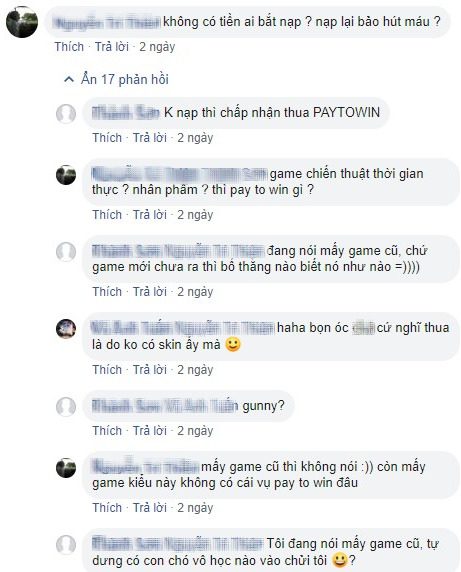
Regarding the “money-sucking” issue of game publishers, this has been a timeless topic of discussion brought up time and again. As with the opinions expressed above, whether a game publisher truly “sucks blood” depends on the viewpoint and perspective of each gamer.
Returning to the story of League of Legends: Wild Rift, even before the game officially launches, Riot has clearly recognized the concerns that the gaming community faces when getting acquainted with a mobile MOBA title. Therefore, they have a very clear direction for their product: All champions in League of Legends: Wild Rift will be released for free, similar to the PC version.
This means players only need to grind and accumulate Blue Essence (or another form of in-game currency) to purchase champions, with no champions needing to be paid for.
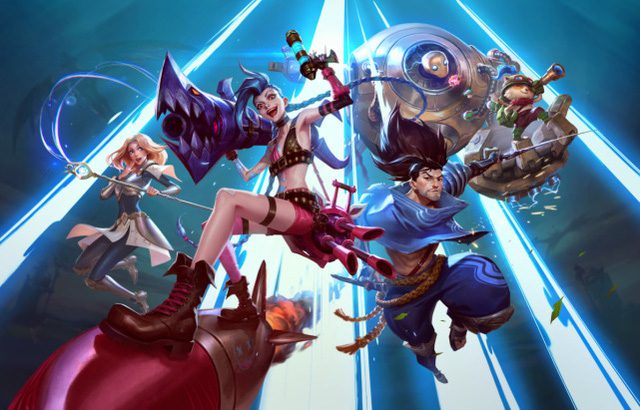
It is agreed that this criterion may change depending on the game publisher, but changing too much of the development direction of the developer (Riot) could lead to negative results. Whether it’s VNG or any other publisher, there’s no reason to do so.
Moreover, an important point here is the issue of competition in the market. Currently, Vietnam has witnessed the growth of many mobile MOBA products, the most notable being Arena of Valor and Mobile Legends: Bang Bang… Among these, Arena of Valor is considered the biggest rival to League of Legends: Wild Rift.
And look at how the publisher of this game is trying to retain players as Wild Rift is about to launch: Continuously giving away free champions and hot skins, launching many attractive events to attract gamers.
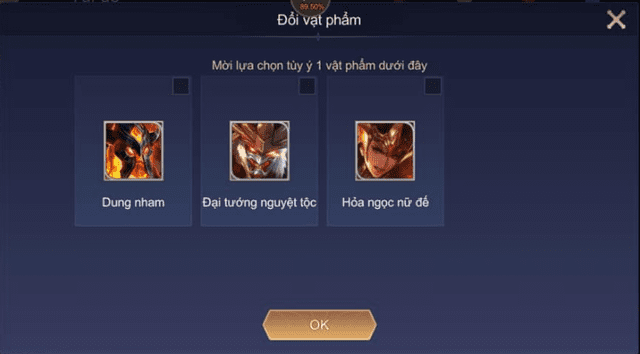
League of Legends: Wild Rift is set to launch at the end of the year, which is just enough time for Arena of Valor to adapt, increasing its appeal through daily events, helping gamers reduce the financial burden compared to before.
Therefore, there’s no reason for League of Legends: Wild Rift to adopt a money-sucking policy if it enters the Vietnamese gaming market, as it does not hold a monopoly and must compete fiercely. Simply put, the competition between League of Legends: Wild Rift and Arena of Valor is like a scenario of “the fisherman gaining profit” for the gaming community of both titles, as both publishers will be forced to offer attractive incentives if they want to retain their customers.
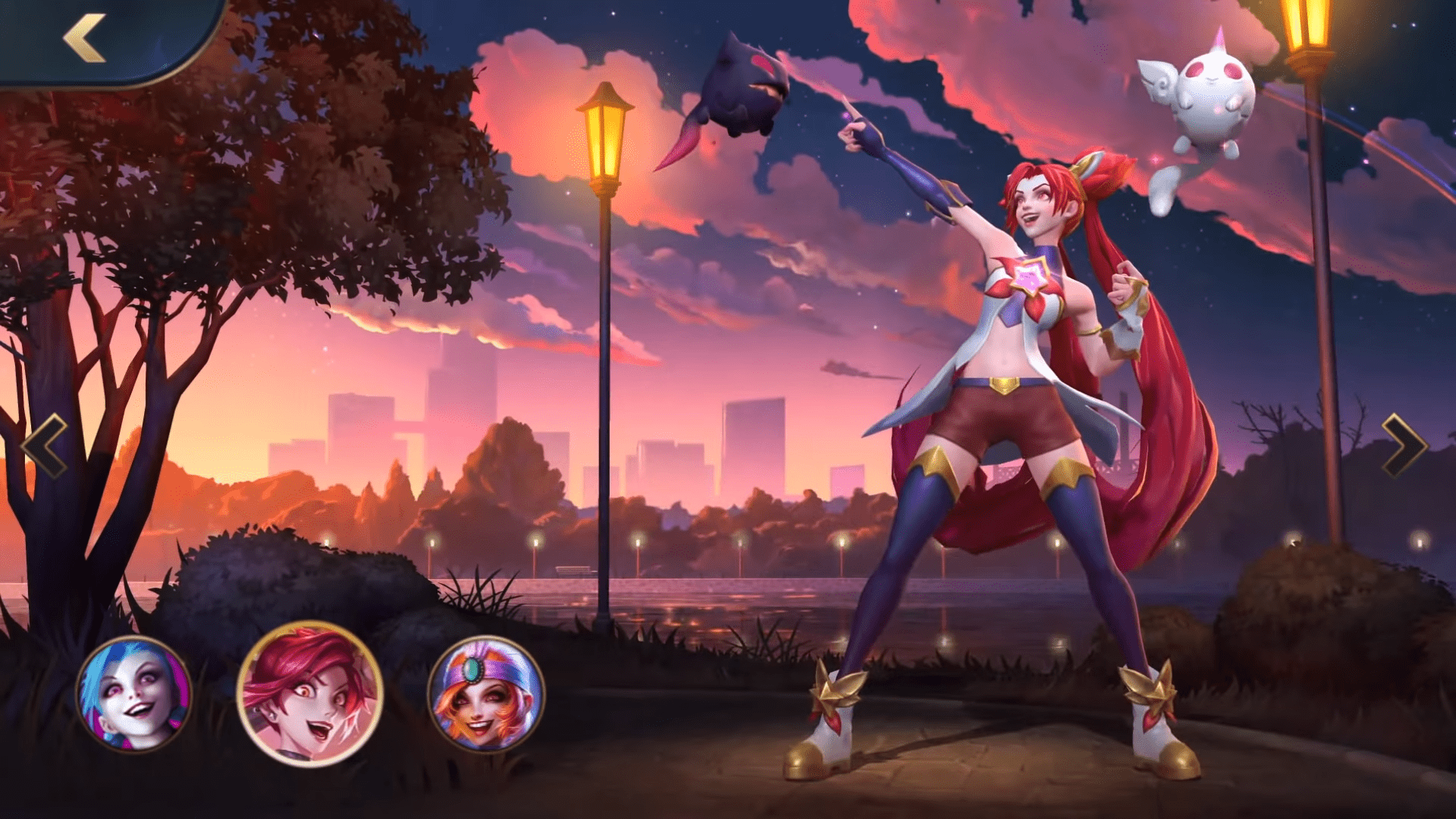
And above all, as of now, League of Legends: Wild Rift hasn’t even launched its Beta version yet, making it too early to make subjective conclusions about the future of this game in Vietnam.