

MVKE’s player points out VCS’s weaknesses
Since making a name for themselves in international tournaments, VCS teams, regardless of the name, have shared a common playstyle: unafraid of continuous skirmishes to force opponents into mistakes. This is a unique aspect and can be considered a strength of VCS, providing real entertainment for League of Legends fans and leading to many impressive victories. However, based on the recent performances of VCS teams, along with MVKE’s draft choices and Kati’s insights, VCS’s strength is gradually becoming a weakness.
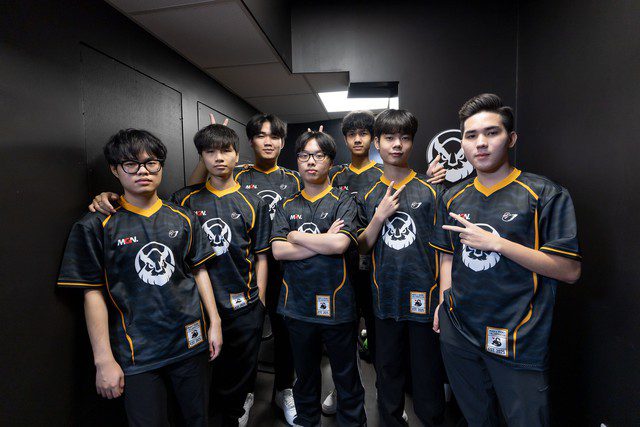
Accordingly, Kati commented on MVKE’s recent Azir pick: “In fact, Azir is a champion that focuses on control and strong playmaking. Meanwhile, VCS has always preferred fighting more, and many champions cannot be utilized due to their mismatch. MVKE has trained Azir quite a bit, and we are confident with this champion choice.”
What Kati shared is entirely accurate as VCS always enjoys fighting and winning against opponents based on their mistakes or the players’ skills. However, when facing teams from the LCK or those with significantly higher skill ceilings, VCS’s playstyle becomes stagnant. And when unable to engage in fights, VCS teams can only slowly succumb to defeat.
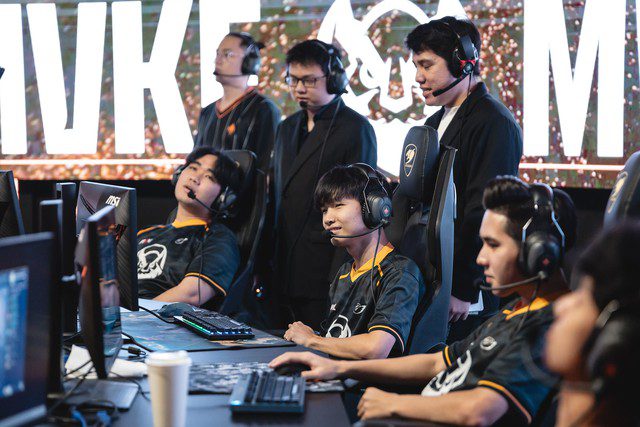
VCS’s playstyle remains volatile, but perhaps lacks scientific rigor and is outdated
In fact, the frequent and continuous skirmishes are not unique to VCS; rather, it is the LPL that pioneered and elevated this playstyle to its peak. However, LPL teams do not engage in fights instinctively; they carefully calculate each situation before setting up a teamfight. Even the more “wild” teams from the LEC or LCS follow a similar approach. In terms of pure skirmishing, GAM, TS, or MVKE may not compare with FlyQuest or G2.
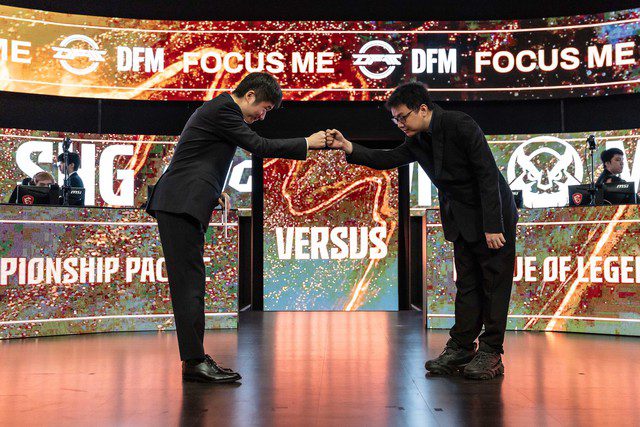
And when VCS’s strengths are too clear and easily countered, it is understandable that advantages can turn into weaknesses. Perhaps VCS teams need to seriously reflect and improve their playstyle, especially when the Fearless Draft mode not only helps teams diversify their strategies but also exposes the weaknesses of those who refuse to adapt.