

In the professional League of Legends environment, the ban-pick phase holds significant meaning, and can even determine the outcome of the entire match. Through the ban-pick phase, teams can discern what strategies their opponents intend to employ, and viewers can form their own opinions, such as which team will have the upper hand or how long the match could last. Therefore, in every match, teams must approach the ban-pick process with great caution. Not only must they conceal their strategic intentions, but they also need to force their opponents to reveal their “trump cards.”
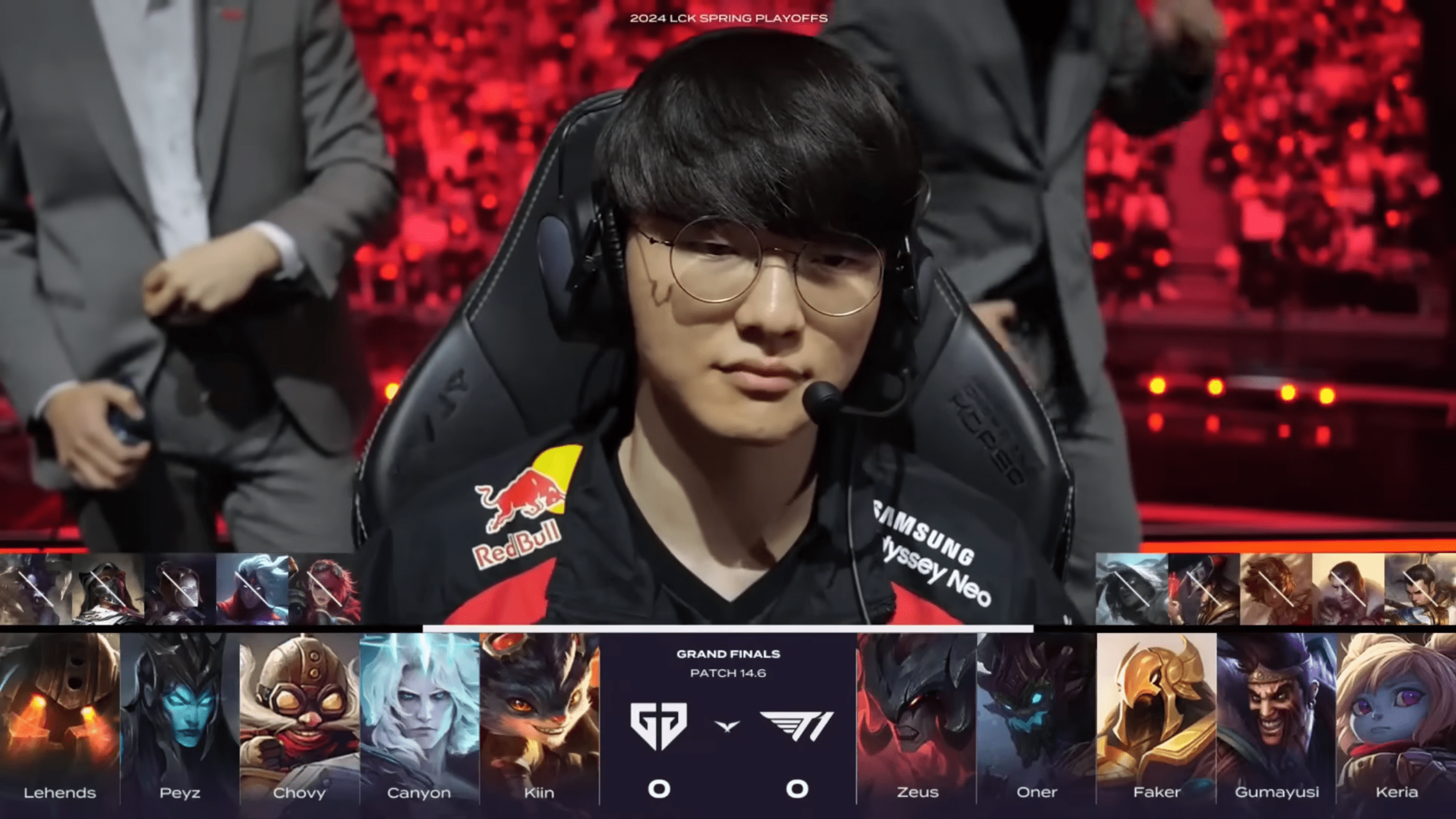
However, in the upcoming LPL Summer 2024, the tournament will implement a ban-pick format called “Fearless Mode.” For those who are unaware, this format is quite similar to Arena of Valor, typically applied in matchups from BO3 onwards. In this format, players cannot select champions that have appeared in the previous match. This is believed to increase the excitement in professional matches and force players to diversify their champion pools. Not to mention, champions that have been rare or nearly extinct, such as Garen, Volibear, or Fiddlesticks, will have a chance to make a comeback.
However, this could pose difficulties for teams, and Riot is the main culprit. Everyone knows that League of Legends has never been a balanced game, and there are always champions that, through updates, become stronger than others. For instance, currently, K’Sante is an overly “dominant” champion in the Top Lane and there seems to be no way to counter him. In a match, with 10 bans and 10 picks split evenly between both sides, the number of champions that “vanish” after the first game is quite large.

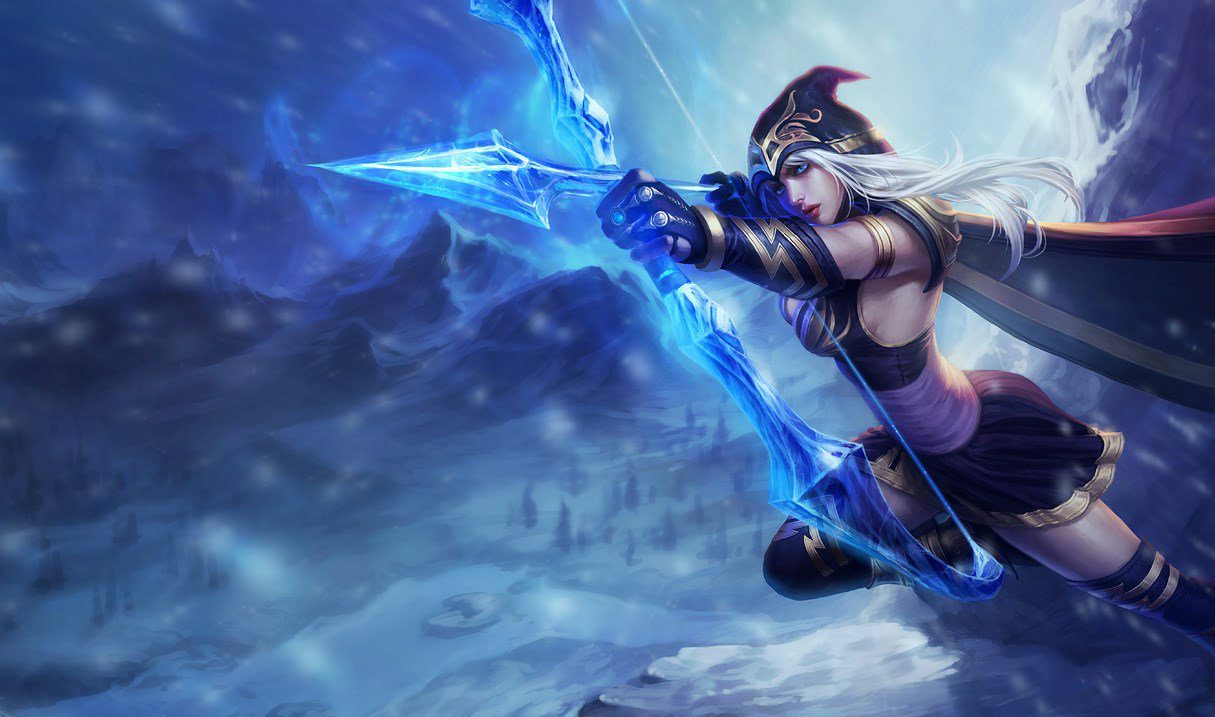
For players, having to train a wider range of champions may not necessarily be beneficial. Moreover, there are champions that may not be truly suitable for a specific role, even if they were previously defined for that position. For example, currently, champions like Ashe have nearly disappeared from the ADC role and are more commonly played as Support ADC. This not only alleviates pressure on Ashe but also allows her to showcase her strength. Meanwhile, in the pure ADC role, she is too weak compared to champions like Lucian, Zeri, Kai’Sa, or even Jhin, Kog’Maw.
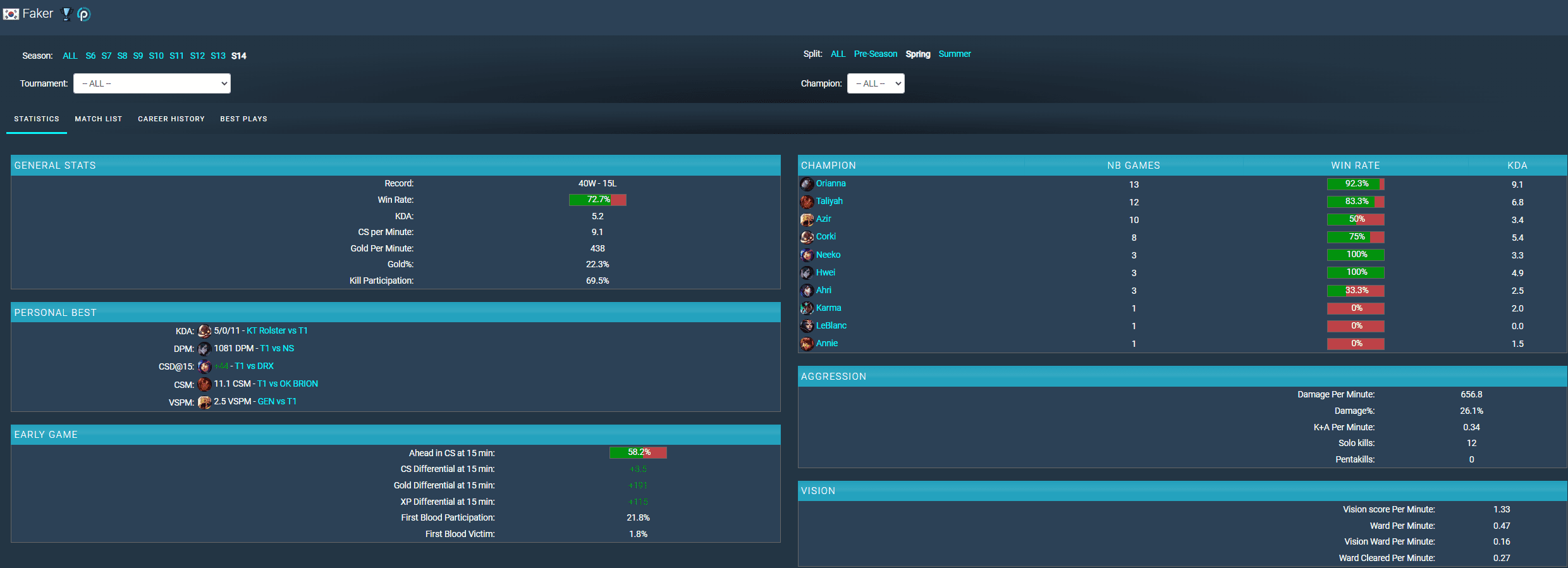
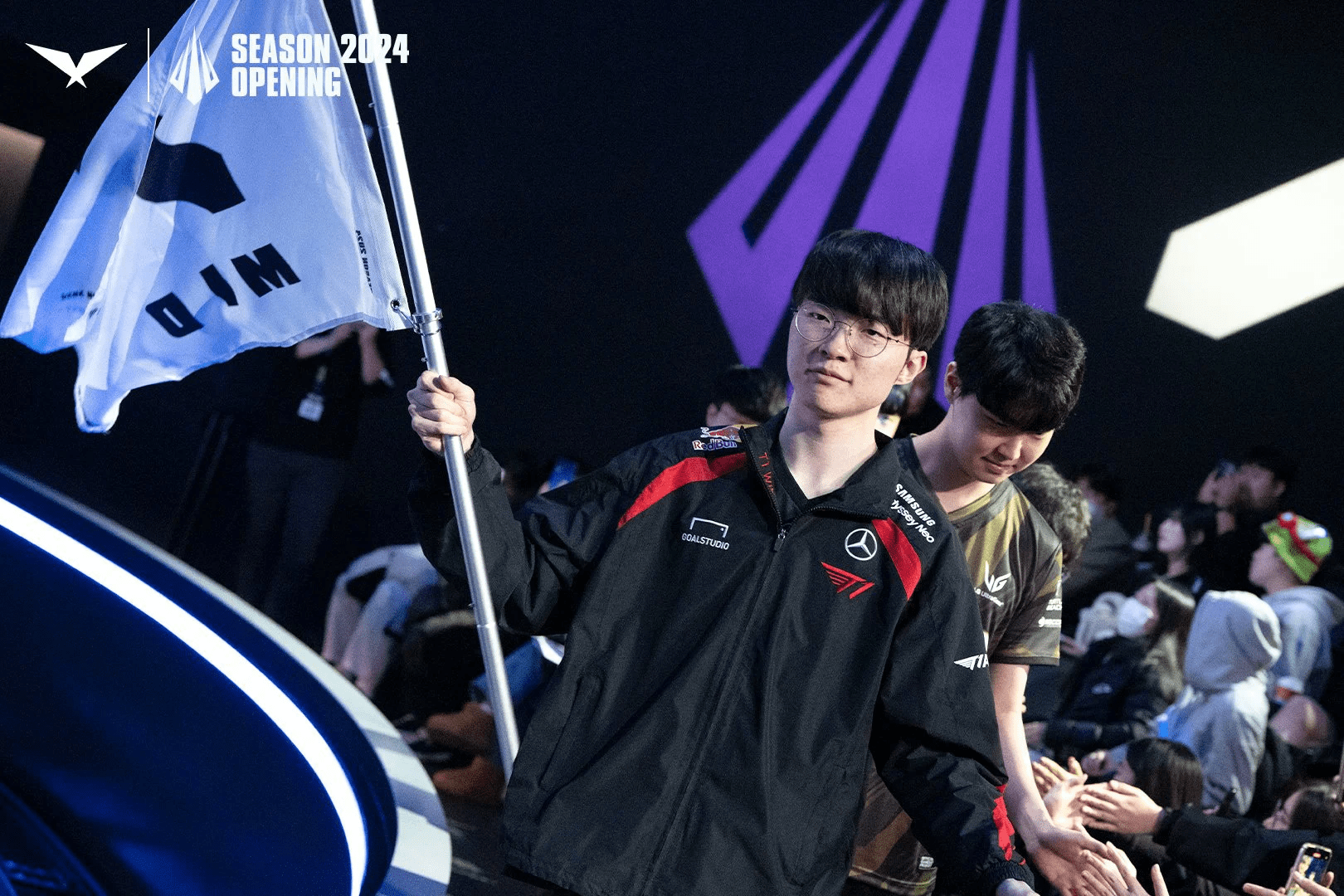
Additionally, some teams often have consistent strategies designed for specific players, such as Chovy with Gen.G or Faker at T1, for example. For Faker himself, it would be a challenging situation if he had to use “team-carry” champions because the reality is that Faker in 2024 is not the same as Faker in 2015 – 2016. For instance, in the recent LCK Spring 2024, Faker’s champion pool revolved only around “make play” champions. Only Corki could serve as a primary damage dealer, but Corki is a passive ADC, heavily reliant on levels, items, and player skill.
In the LCK, teams also pay great attention to strategy and meta. For this reason, LCK rarely experiences unexpected bans, but it is also the region that maximizes the meta in the League of Legends scene. Therefore, if Fearless Mode is implemented in the Korean League of Legends, it may only be T1 that benefits in any way.
The fact that Riot continues to release champions that are extremely unbalanced, alongside the difficulty for teams to require their players to master all champions, will be an obstacle when the Fearless Mode is implemented. Nevertheless, LPL Summer 2024 could be a necessity, both to give viewers an overview of the advantages and disadvantages that this new mode brings, and to allow Riot to evaluate the potential for expanding this model in the future.