

As we all know, currently, alongside details about the new season, the Vietnamese League of Legends community is anxiously waiting for Judgment Day. Teams and fans alike need to know the final decisions to prepare for the new season. Moreover, this is the right time, as MSI has passed, and some regions have even begun their Summer Split 2024. Not to mention, this is one of the biggest negative penalties in VCS history, garnering significant attention from the VCS community and the global League of Legends scene.
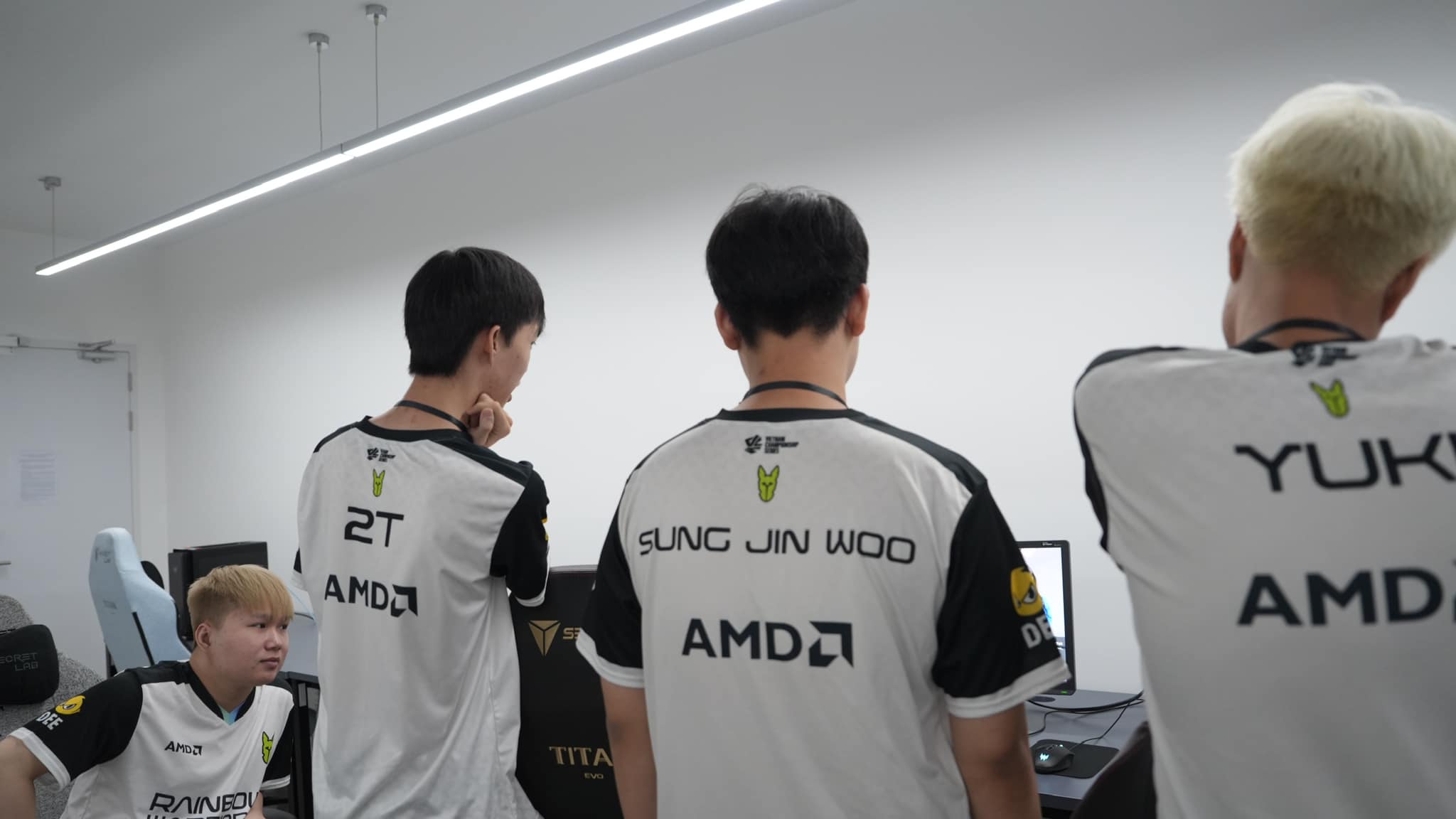
On the afternoon of June 3rd, the VCS organizers and Riot officially delivered the verdict for VCS. Accordingly, out of 32 names that were publicly investigated, 5 players and a coach received permanent bans, including Coach Raze and players 2T, HinieeeC, Yuki, and Spot, all from Rainbow Warriors. Additionally, three former members of SBTC Esports, namely NPer, DNK, and Penguin, were also banned. All of them violated Article 3 of the Global Esports Code of Conduct of Riot Games.
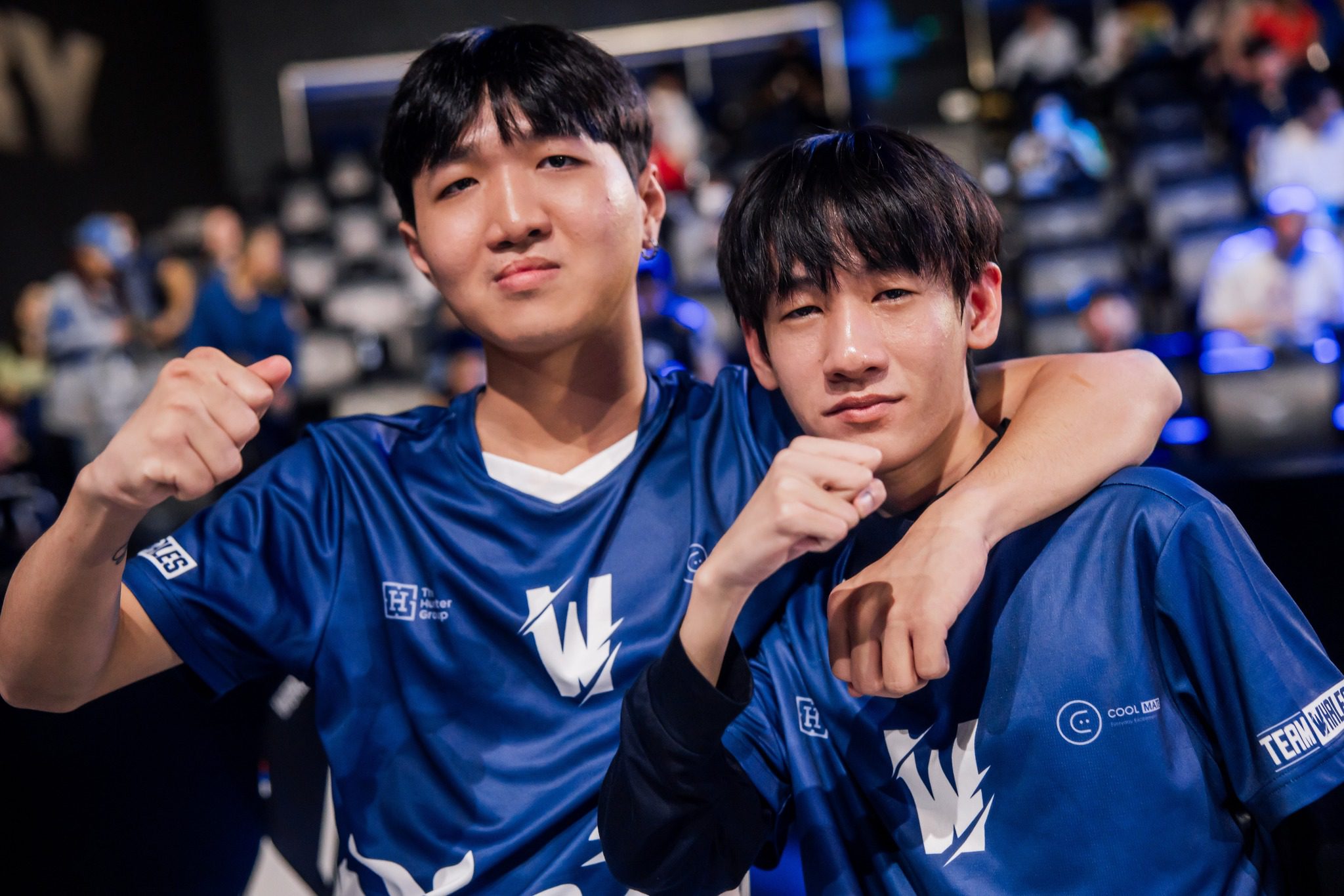
Furthermore, other players who also violated Article 3 of Riot Games’ Global Esports Code of Conduct received severe penalties. Among them, Artifact, Sorn, Froggy, and BeanJ (36 months) and Qiang (29 months) received the heaviest sentences. With bans of 2 years or more, the careers of these players are effectively over.
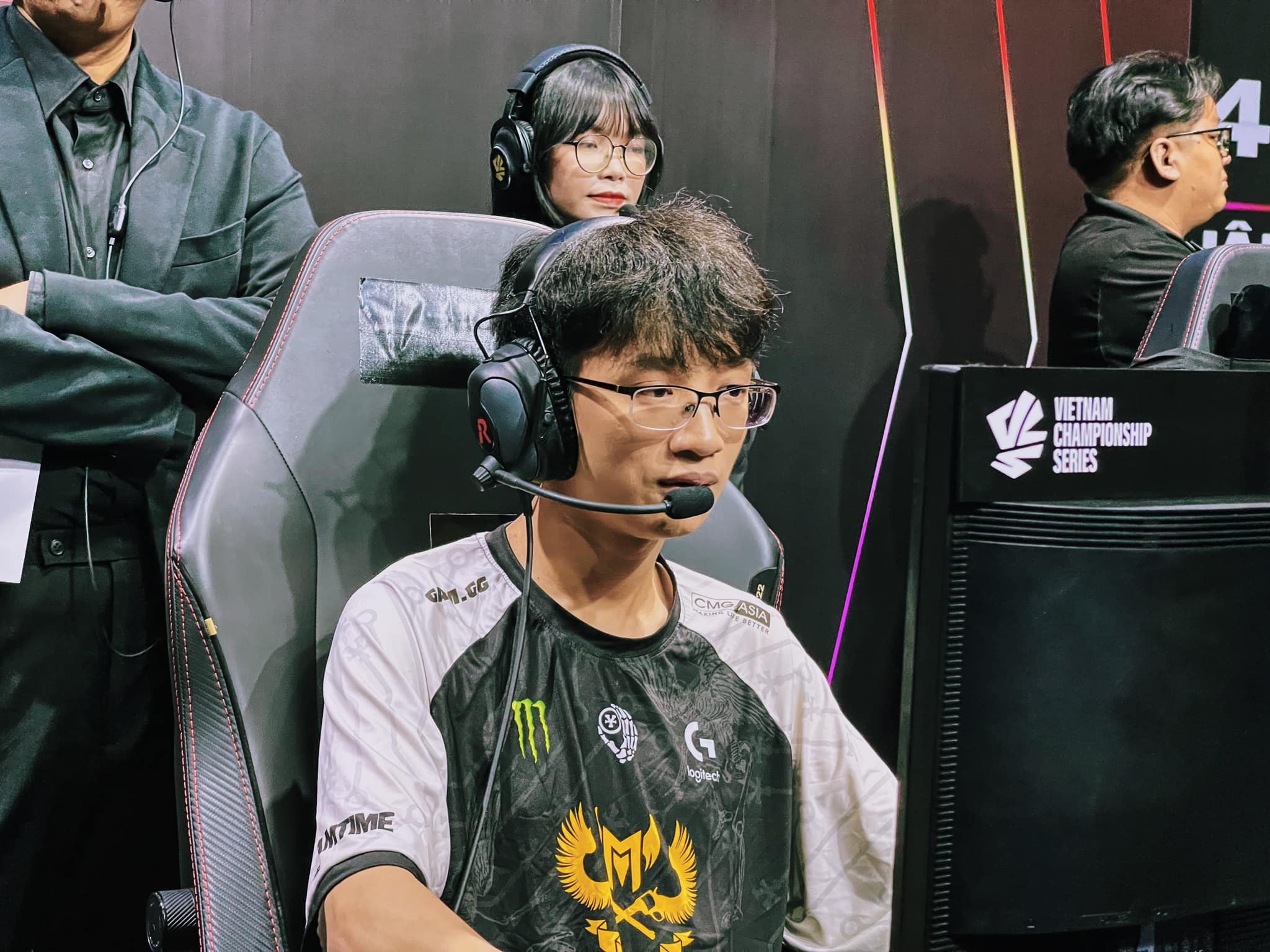
Players who violated Article 4 of Riot Games’ Global Esports Code of Conduct (for aiding and abetting) also faced penalties ranging from 6 months to 1 year and 6 months. These penalties can be seen as deterrent measures, offering these players a chance to return to competitive play. Additionally, some players previously under investigation have now been declared innocent, including: Gury, Blazes, Draktharr, Pun, Richard I, Slowz, and Rigel.
Thus, after many days of waiting, the verdict from the VCS organizers and Riot has been announced. This can be seen as one of the most significant “cleansings” in VCS history. As for the players, they can likely only blame themselves for losing their careers due to a moment of weakness.
Article 3.3 of the Global Esports Code of Conduct of Riot Games
Cheating is strictly prohibited. “Cheating” is defined as using any methods, techniques, or technologies, either in-game or out-of-game, that affect the outcome of the game or provide an unfair advantage to an individual or team, including but not limited to the use of hacks, exploiting bugs, cheating, or communicating with non-players in-game.