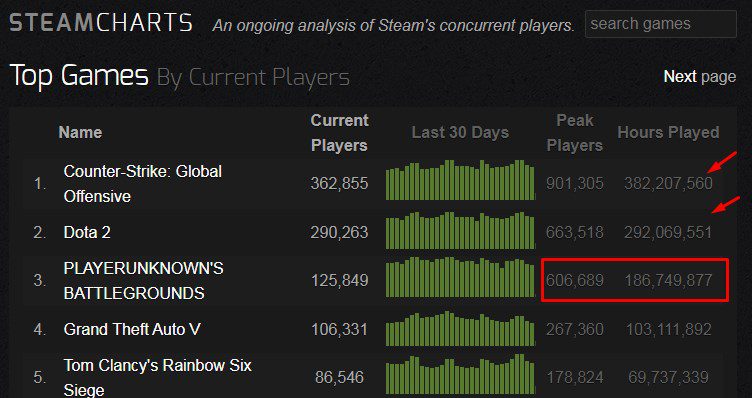
According to Steam’s leaderboard, the peak player count for PUBG last month has dropped to a record low. Furthermore, the total hours played on PUBG is less than half compared to CS:GO and over 100 million hours fewer than DOTA2, games that Vietnamese gamers often mock as “dead games.”
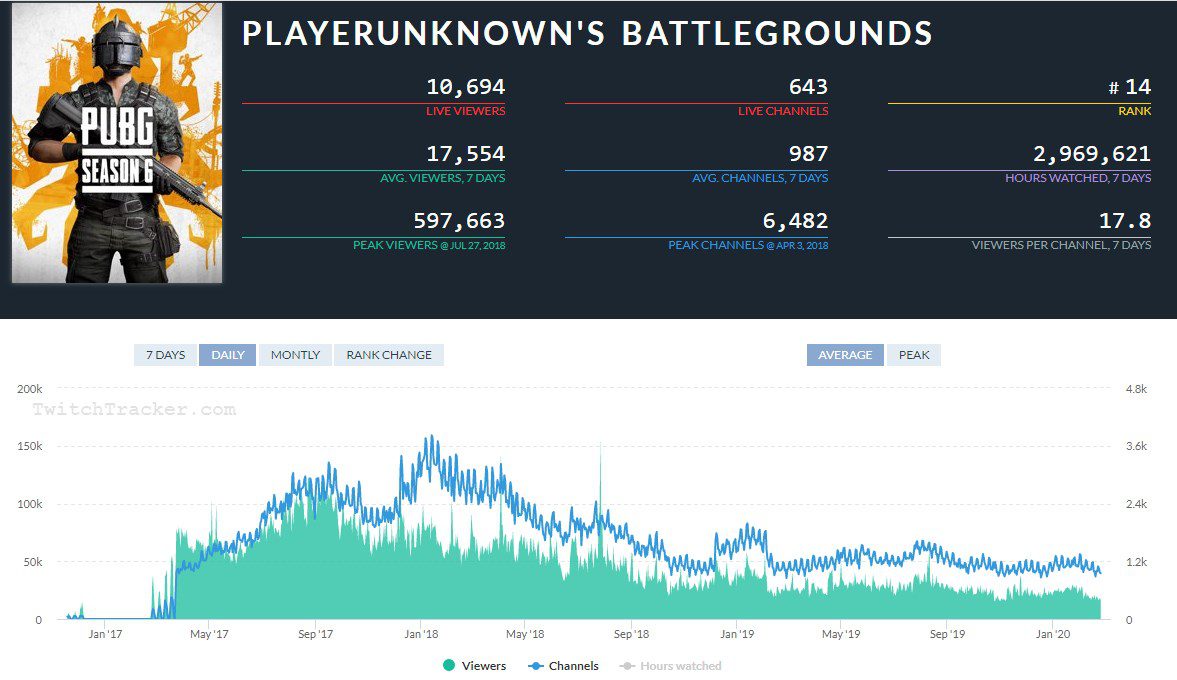
Not only has the player count plummeted, but the number of followers and content creators related to this game has also significantly decreased. Statistics from Twitch.tv show that the peak number of PUBG streaming channels was over 3200, but now there are only nearly 1000 channels left. This means that 2/3 of PUBG streamers have abandoned the game, even though this was a highly effective advertising method.
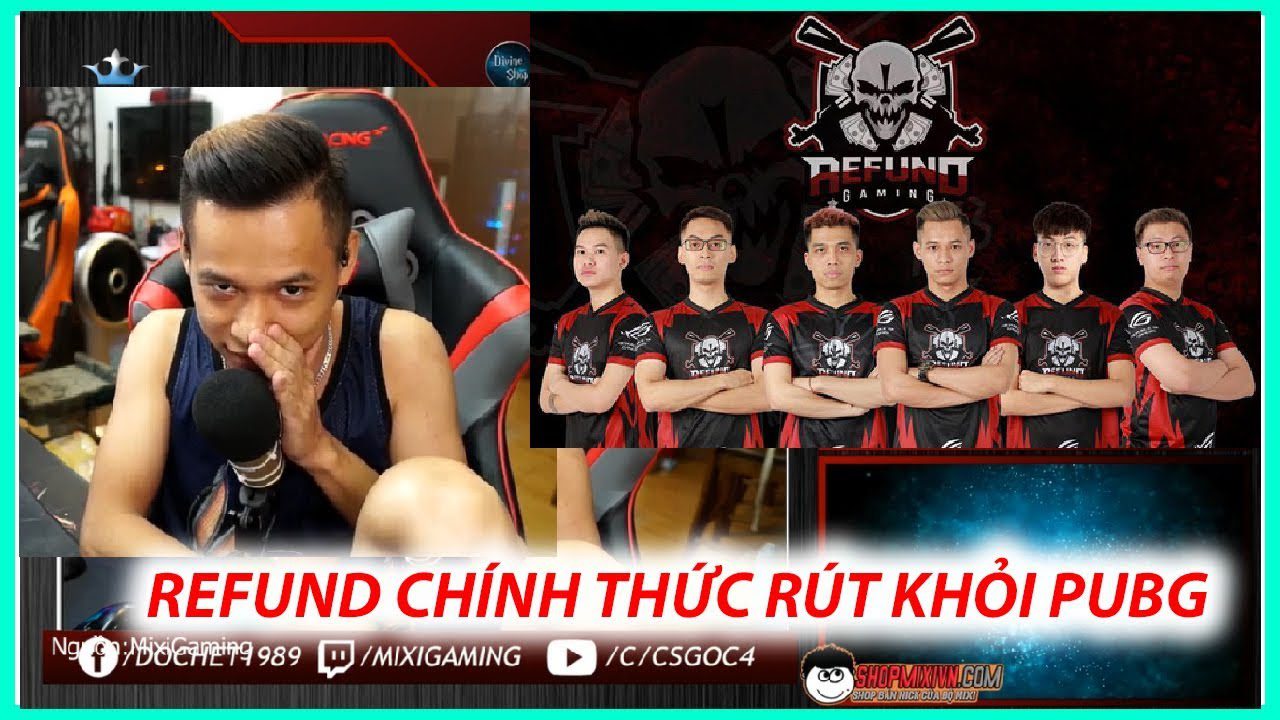
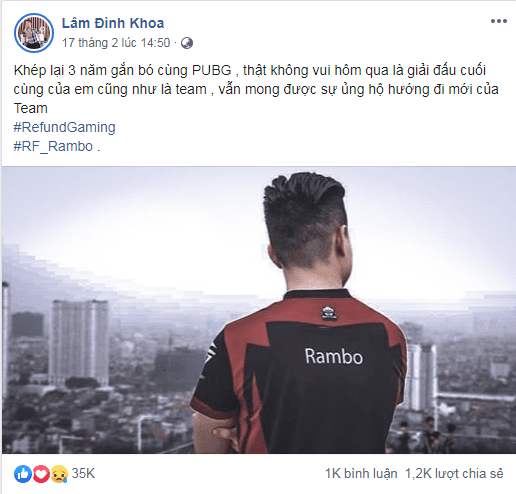
Many organizations both domestically and internationally have also shown less interest in PUBG, and the latest name to exit the battle royale scene in Vietnam is sadly Refund Gaming, led by “tribe leader” Mixi Gaming.
Widespread Hacking
The first reason leading to this uncontrollable decline of PUBG is the rampant hacking. The feeling of losing to a hacker is perhaps the most frustrating experience for PUBG players; you spend nearly 30 minutes gathering loot, strategizing how to escape the zone, only to have all that effort wasted because someone you can’t even see shoots you while you’re sitting inside a house.
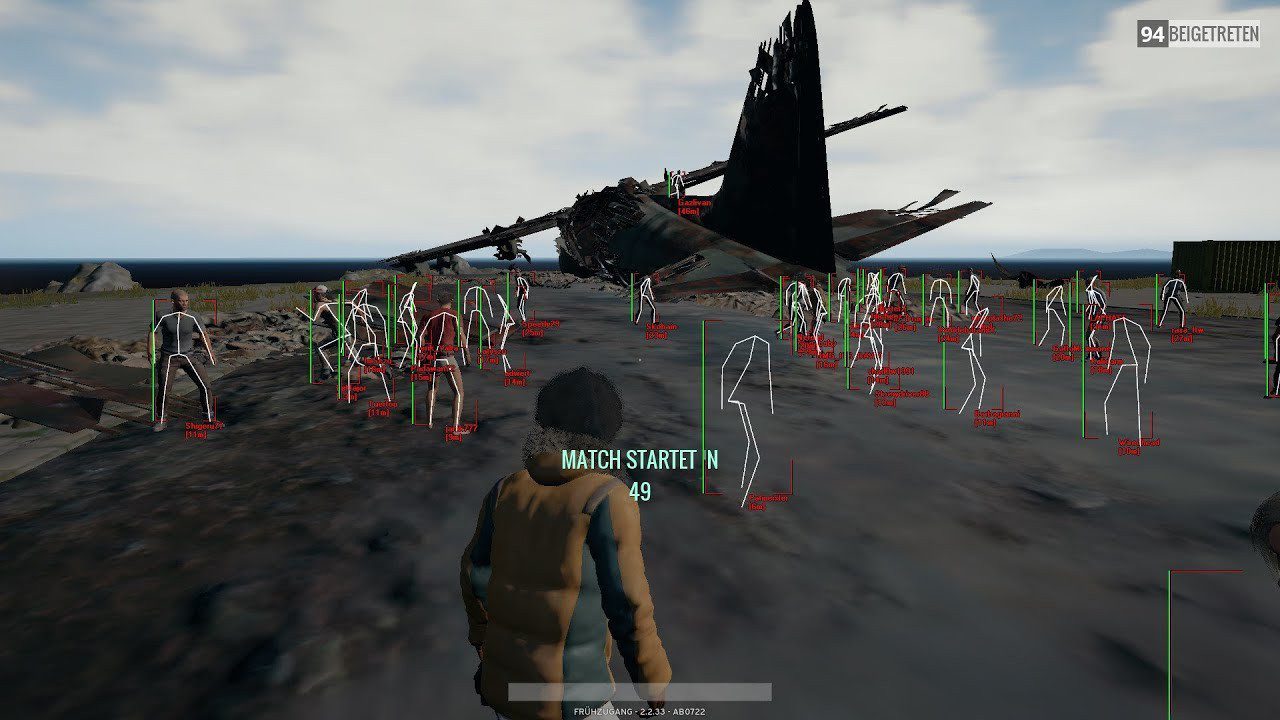
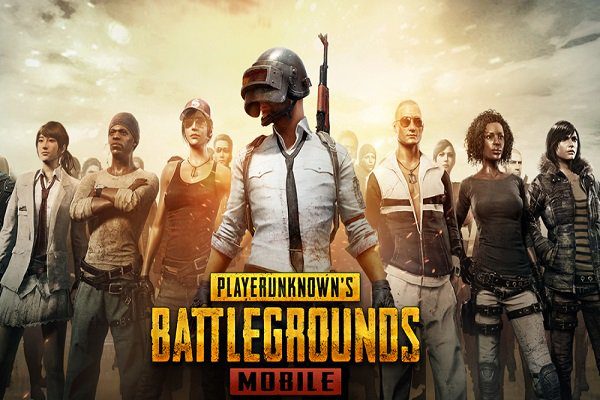
It wouldn’t be an issue if the publisher seemed to have a handle on this situation. Players still face cheaters daily, and eventually, they become disheartened and leave the game. Moreover, PUBG also undermines itself by launching PUBG Mobile, which offers far more conveniences and seems to have received more resources than the original PC game.
No New Gameplay
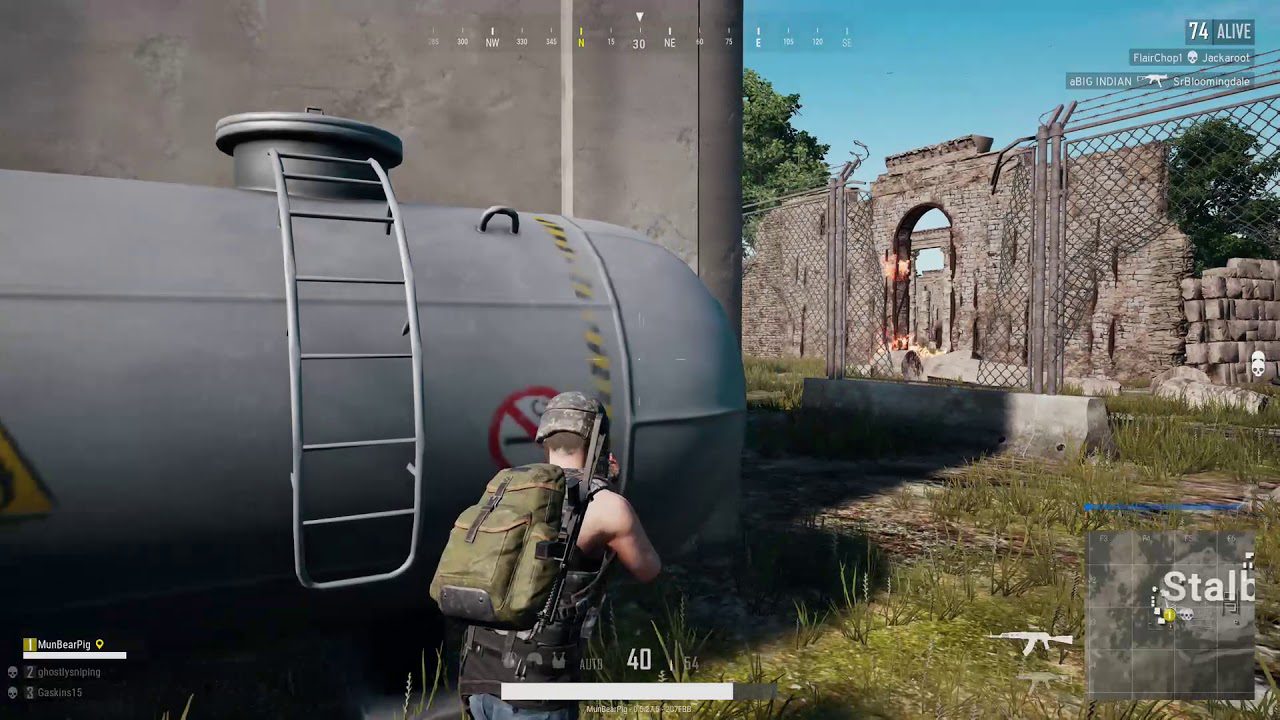
Another reason why PUBG is gradually dying is that it doesn’t meet the evolving demands of gamers over time, especially in the context where many consider it an Esports title. With simple gameplay, PUBG easily attracts new players, but the depth or innovation in gameplay is what keeps those players engaged.
Just look at traditional Esports titles like League of Legends, DOTA2, and CS:GO to see the differences from PUBG. They continuously receive updates across various aspects, including characters, maps, and equipment… to keep the game fresh with new champions that have unique playstyles. Otherwise, there should be a complex strategic depth for players to explore, like in CS:GO, for example.
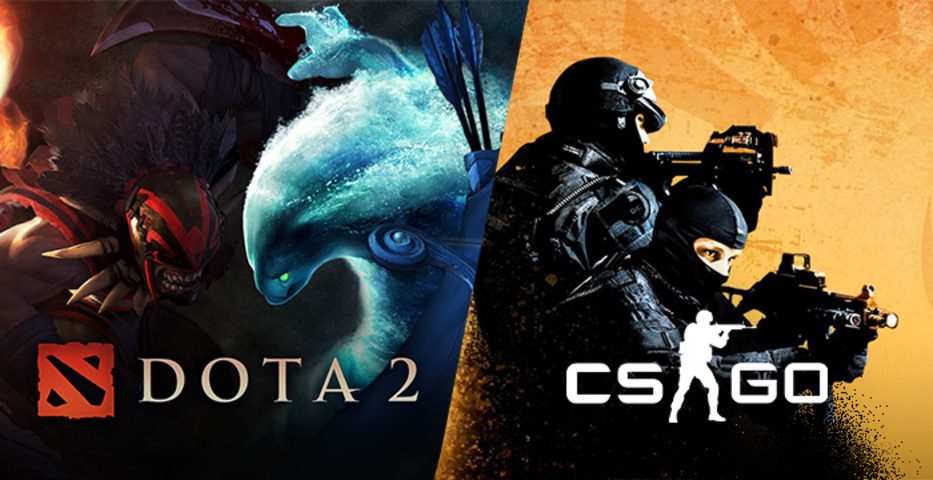
Meanwhile, PUBG lacks these elements; updates are frequent, but they only consist of cosmetic items. The gameplay has remained the same since its inception—you still collect equipment and strive to survive until the end. You might play one or two matches with that repetitive gameplay, but to continue playing until match 100 or 1000 is extremely challenging, which is quite normal for an Esports title.
No Changes But Too Many Competitors
The final reason why PUBG is gradually losing its appeal is that there are other survival games emerging that are taking its place. The most notable examples are Fortnite and Apex Legends, which retain the basic elements of a battle royale shooter but have made many gameplay improvements and adjustments to keep the game from becoming monotonous.
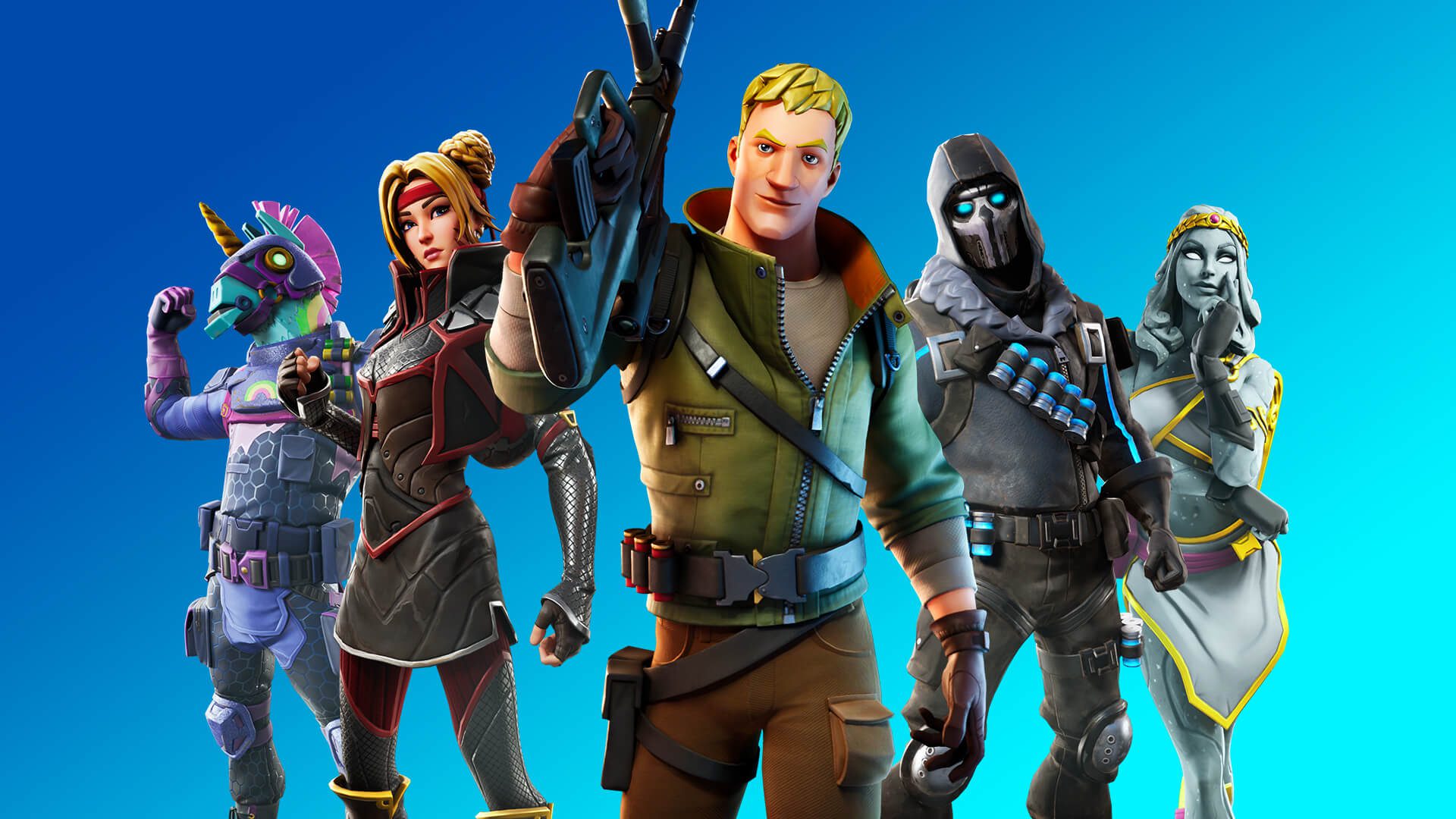
When there are other games that are more outstanding, appealing, and interesting, it’s understandable that players would abandon PUBG for Fortnite or Apex Legends. Not to mention that traditional Esports titles like League of Legends, DOTA, and CS:GO always maintain their unique appeal, no matter how long you play them.
Conclusion
Perhaps PUBG is gradually reaching its limits; without breakthroughs in gameplay or something to retain long-term players, the prospect of PUBG truly becoming a “Dead Game” is closer than ever.