

After 2 seasons of Teamfight Tactics, this mode has achieved remarkable success by attracting many players, and the development team continuously updates and adjusts to keep the meta evolving. However, season 2 of Teamfight Tactics did not leave a strong impression as Riot played it too “safe.” While they tried to innovate with Lux, her low appearance rate did not create a significant impact.
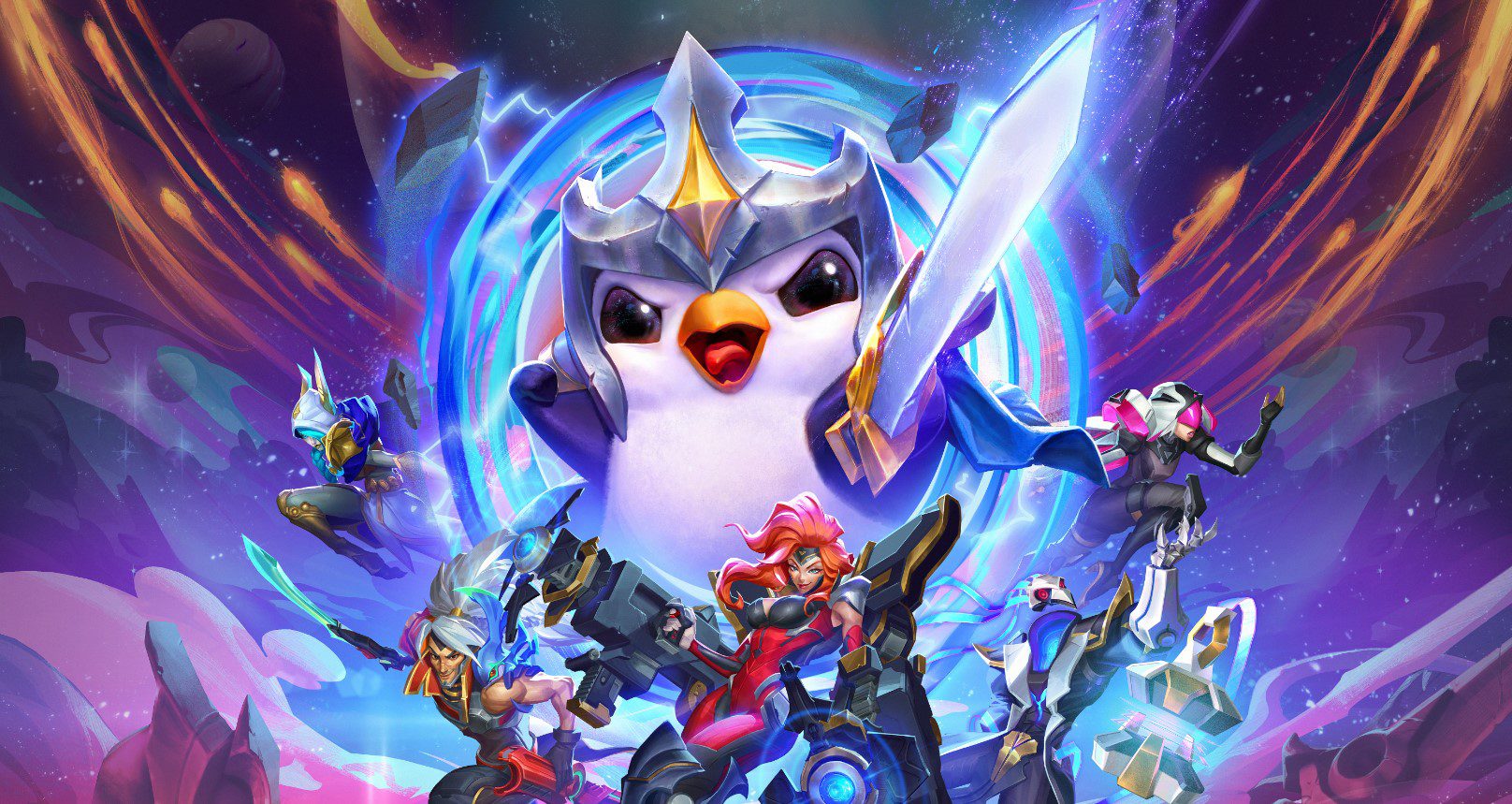
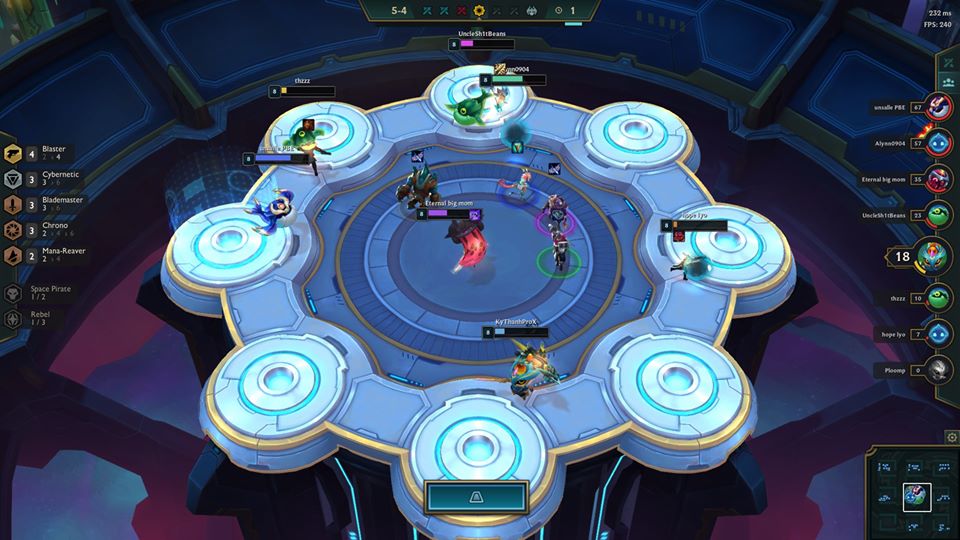
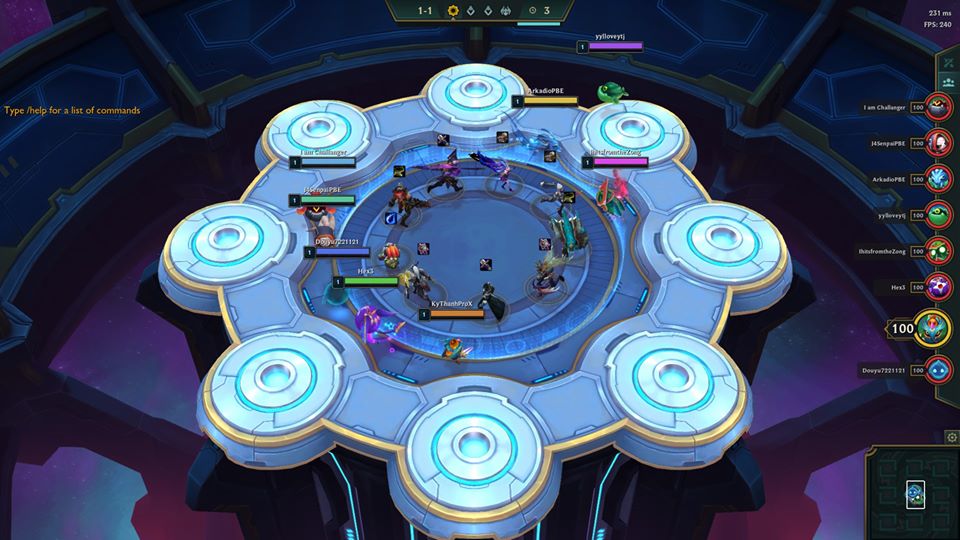
However, when experiencing Teamfight Tactics: Infinite Galaxy, the author was greatly impressed by the completely different traits and classes compared to before. First, in terms of overall interface, the shared selection phase of this season gives the feeling of being inside a gigantic spaceship rather than the somewhat rudimentary design seen currently.
Riot Games also revealed that they will develop Teamfight Tactics in a long-term manner with many seasons and various themes. Perhaps the shared selection interface will change with each season to fit the theme.
Another improvement is in the visual effects; now when activating a new combo, the animation showcasing this activation is significantly more prominent. For effects that increase power over time, such as Chrono speeding up attack rates every 4 seconds, the display is also clear but not visually distracting for players. Even the activation items look considerably better. Meanwhile, in the official version, these effects were overly simplistic and did not leave a strong impression on players.
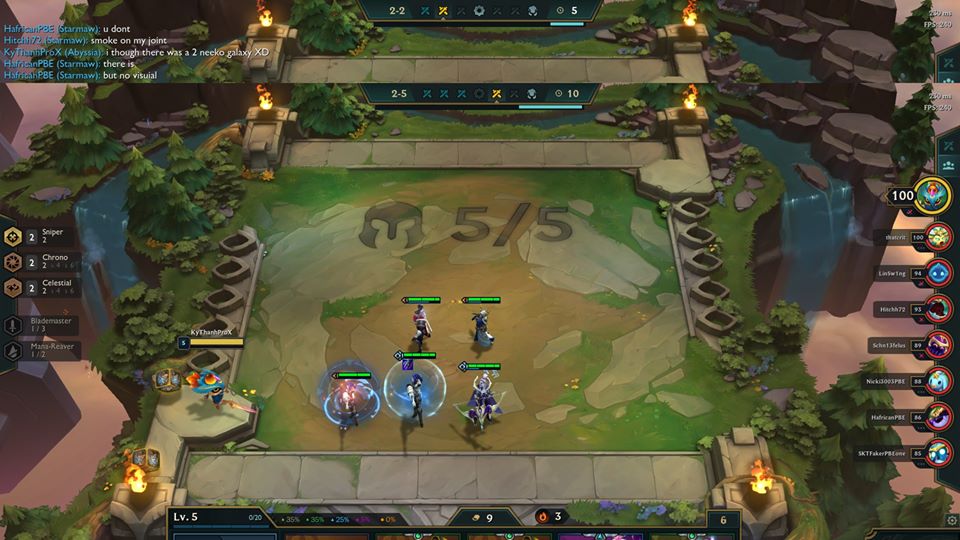
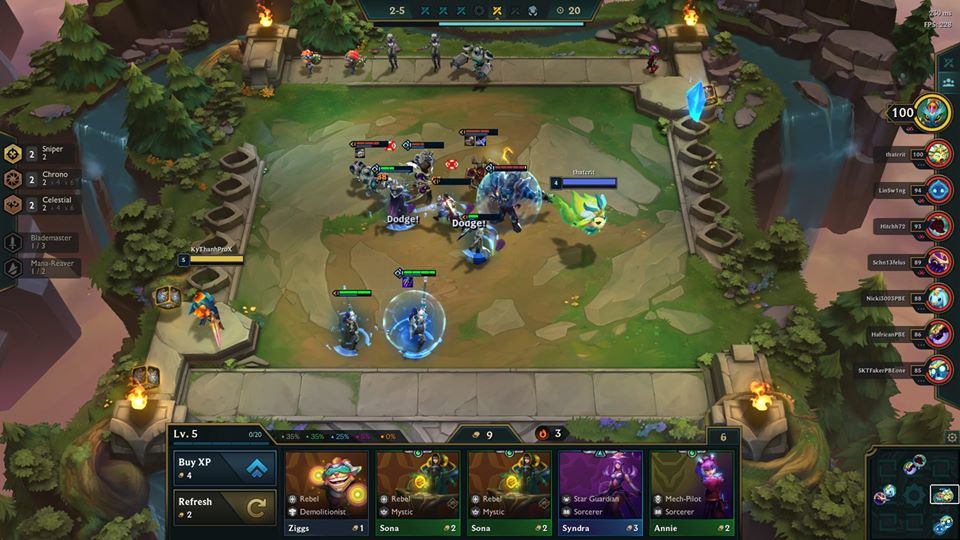
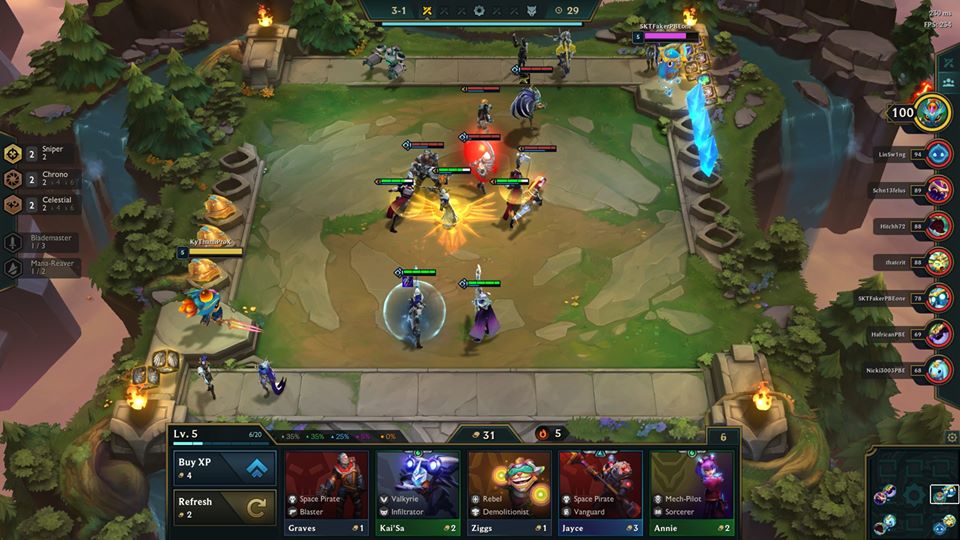
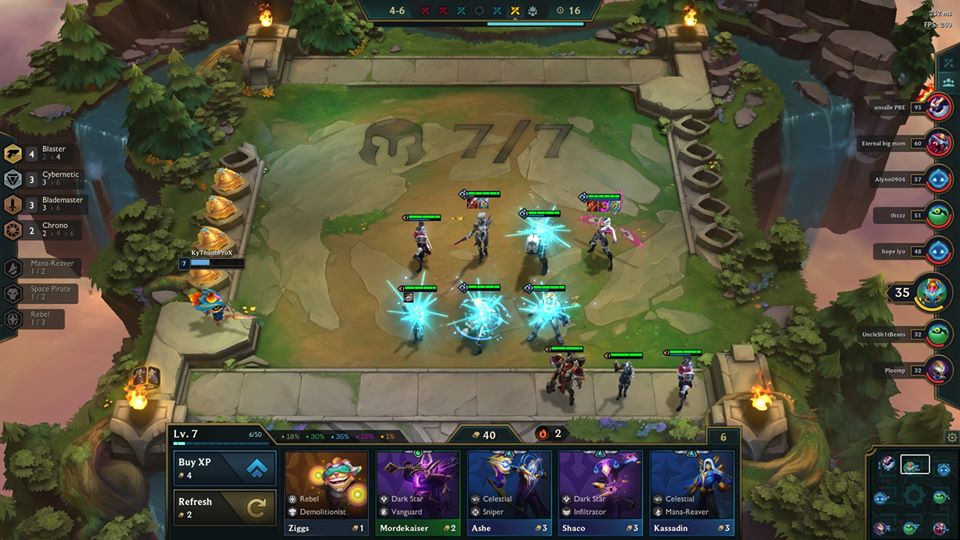
However, the only downside is that the store interface is quite ugly compared to the current one. The League of Legends backgrounds are great tools to showcase the characters in the game, but for some reason, Riot Games has brought the mobile version’s interface to PC, which is quite absurd. Riot has recently promised to find a way to bring back the previous backgrounds to Teamfight Tactics.
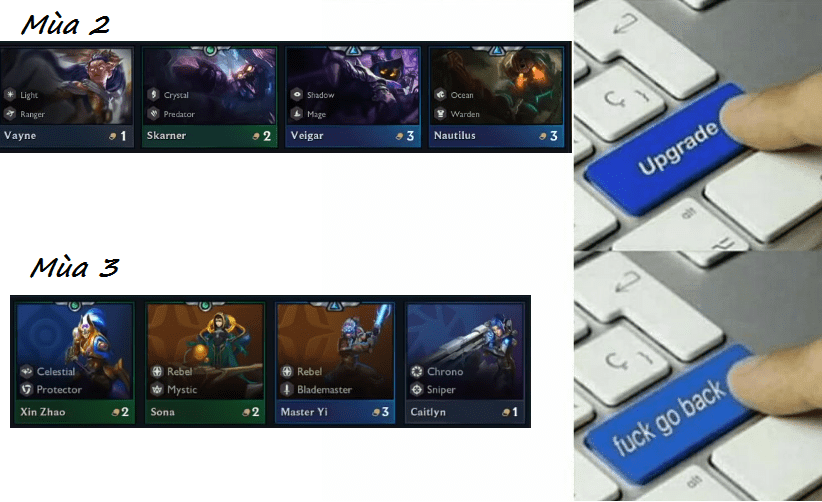
The final downside of season 3 is the Galaxy mechanism, where each game is a different universe, is displayed very unclearly. While in season 2 we could observe the elements right from the first shared selection phase, in season 3 you cannot know which universe you are in early on. Many matches do not take you to any universe, no Neeko, no 4-cost champions in the first selection phase, you just play normally.
That’s about the interface; the gameplay of Teamfight Tactics: Infinite Galaxy is what has changed the most. The author’s first impression is that the loot boxes in the monster rounds give way too little gold, much less than before. Moreover, in the first shared selection phase, all champions appearing are priced at 1 gold, and even if you sell them, it won’t significantly improve your economy.
This stems from the fact that the amount of gold received per round has decreased significantly; you only receive 2-3 gold after the monster rounds, and even gold and champions cannot drop from loot boxes after the first 2 monster rounds. In summary, you can no longer upgrade levels early while also having 2-star champions and snowballing too strongly as before.
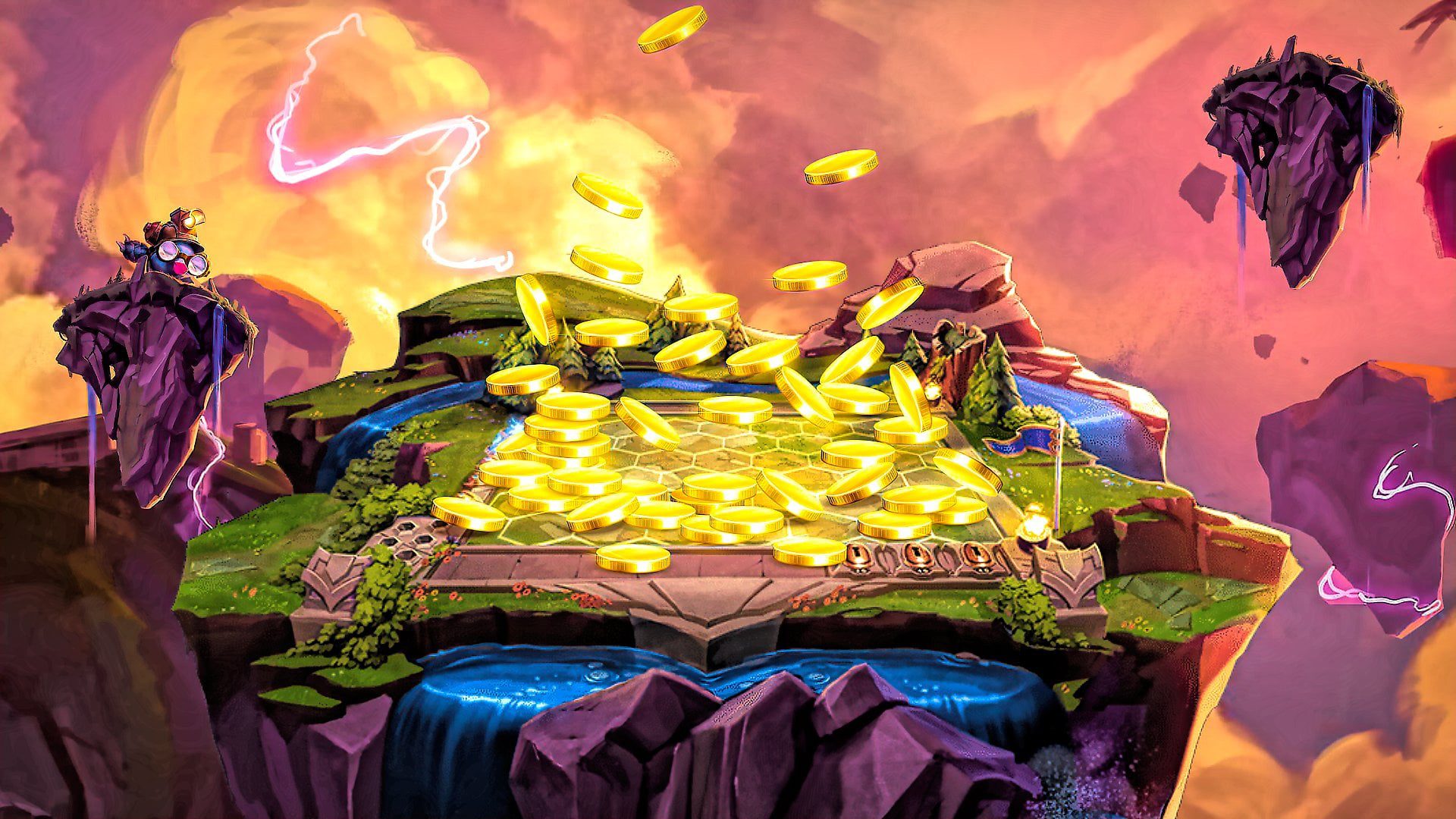
Regarding classes and traits, season 3 has done well in balancing the power among the factions so that no specific team composition has overwhelming strength over the others. The author has played many compositions from Star Guardian – Sorcerer, Void – Sorcerer, Rebel – Blaster, Chrono – Sniper – Blademaster… and feels that each composition has its own strengths and no team comp can be deemed “useless.”
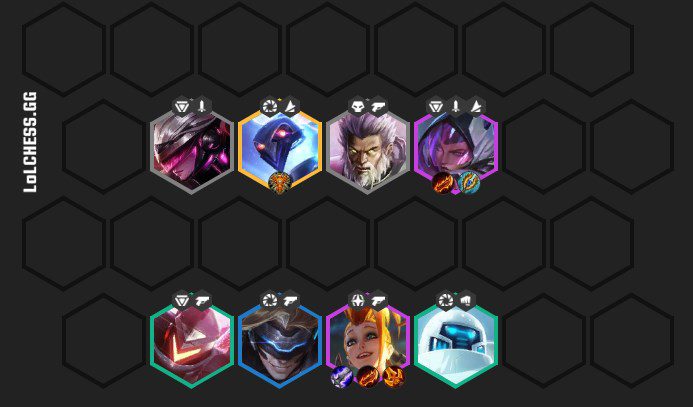
Riot Games has learned from the previous 2 seasons and has made traits and classes that were previously not very useful more impactful. For example, Chrono increases attack speed for the team; you must combine it with units or classes that have strong damage rather than like the current Moonlight trait, where the trait buffs attack stats, and Karma also buffs attack speed, making some units unstoppable.
The last point that Teamfight Tactics season 3 brings is the extremely powerful 5-cost units late in the game. Two units, Gangplank and Miss Fortune, can truly wipe out the entire enemy team with just one ultimate ability, while Aurelion Sol transforms into a spaceship and drops small planes to attack enemies… As for utility units, Lulu with her ability to polymorph multiple enemies or Thresh pulling an ally from the waiting area are effects that can change the outcome of the battle round.
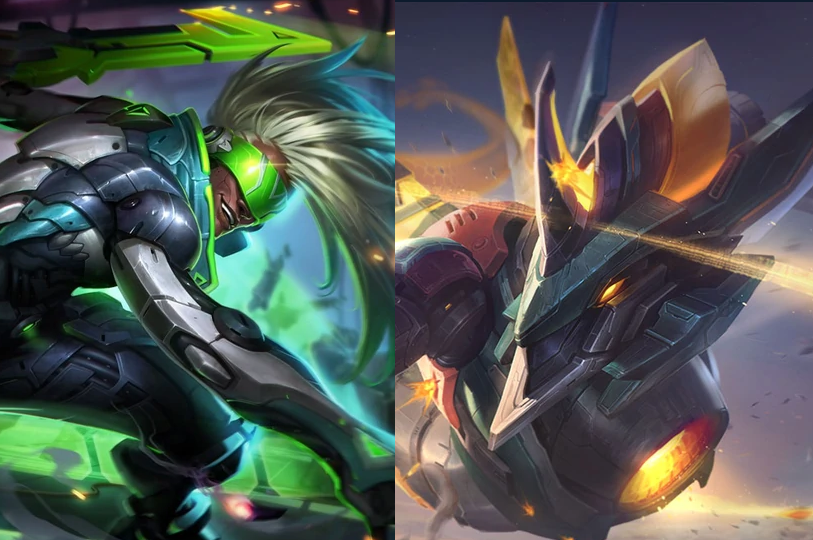
However, this does not mean that lower-cost champions will be weak late in the game; some 1-cost champions like Caitlyn or Xayah can deal a lot of damage and can carry the game very strongly. Especially Caitlyn, with a range of 5 tiles and a skill dealing 800 damage right at level 1, is already an extremely strong carry unit.
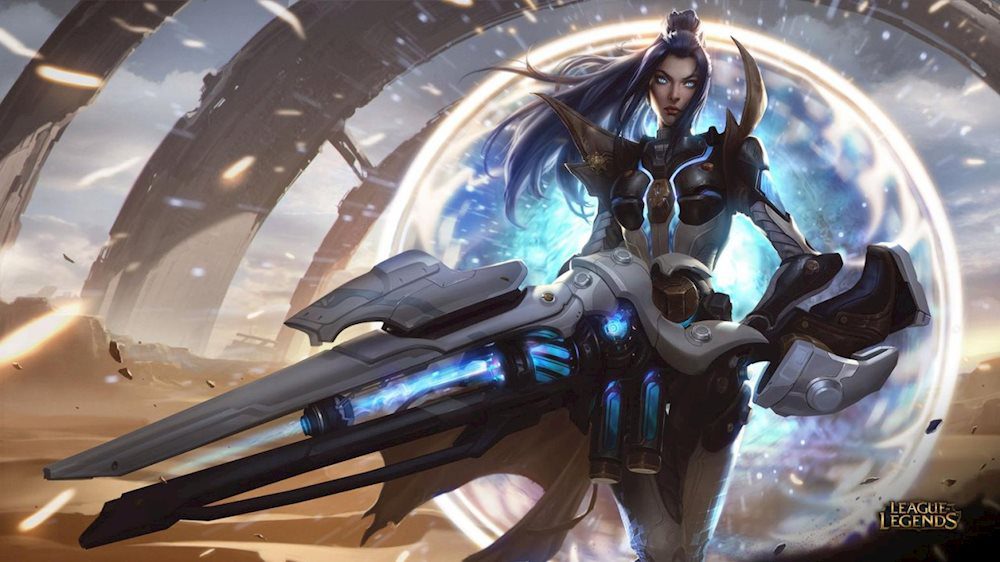
In conclusion, Teamfight Tactics: Infinite Galaxy is a comprehensive upgrade of Riot Games bringing “luck-based chess.” The visuals and interface are significantly better, gameplay has improved a lot, and it requires players to find the best compositions with what they have instead of hoarding gold and buying the perfect team composition. A few downsides would be the current ugly store interface or the unclear Galaxy mechanism.