

According to the latest announcement from Riot Games Korea, starting in 2021, the LCK tournament will officially adopt a Franchise system, following in the footsteps of the LCS, LEC, and LPL leagues.
Specifically, from next season, the promotion/relegation system will be abolished, and the CK tournament (the second division) will be restructured into an Academy tournament for academy or semi-professional teams. Meanwhile, organizations wishing to participate in the LCK will be required to purchase a slot and prove their financial capability.

The minimum salary of professional players in the LCK will also triple, increasing from 20 million won/year (approximately 380 million VND) to 60 million won/year (approximately 1.1 billion VND). This regulation will significantly impact the current income of professional players in South Korea.
Sources in the Land of the Morning Calm have previously claimed that Faker – the highest-paid player in professional League of Legends globally, earns a salary of 3 billion won/year; however, this information has yet to be verified. Furthermore, Faker is just one of the few players who have salaries reaching billions, while in reality, many professional players in the LCK only earn the minimum salary of 20 million won/year.
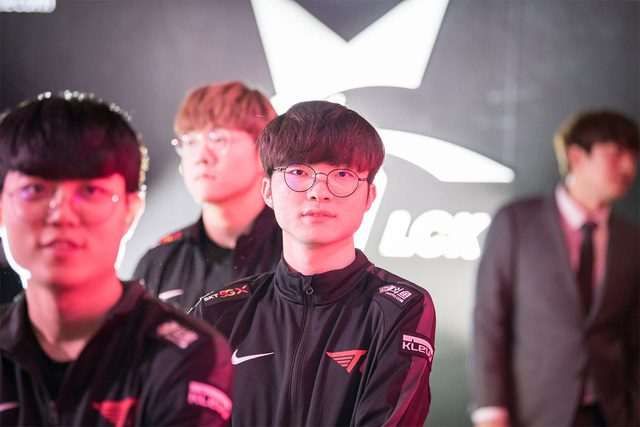
According to 2018 statistics, the average GDP per capita in South Korea is 41.2 million won, which means that currently, the minimum income of most professional players is still quite meager. Even with additional streaming and advertising contracts, it cannot compensate for the risks associated with a short career lifespan, and furthermore, fluctuating performance will also greatly affect salary levels.
Increasing the minimum salary threefold is a move that helps the community of professional players in South Korea achieve a more stable living standard, providing them with sufficient funds to invest in their future after retirement, and this action is being warmly welcomed by the community in this country.