In a MOBA game like League of Legends, each character or champion in the game needs to have a certain distinctiveness for players to remember it, which can come from the skill set, name, or origin of that character. A champion is considered balanced when it has a reasonable win rate, ban/pick rate, a unique skill set, and most importantly, clear strengths and weaknesses.
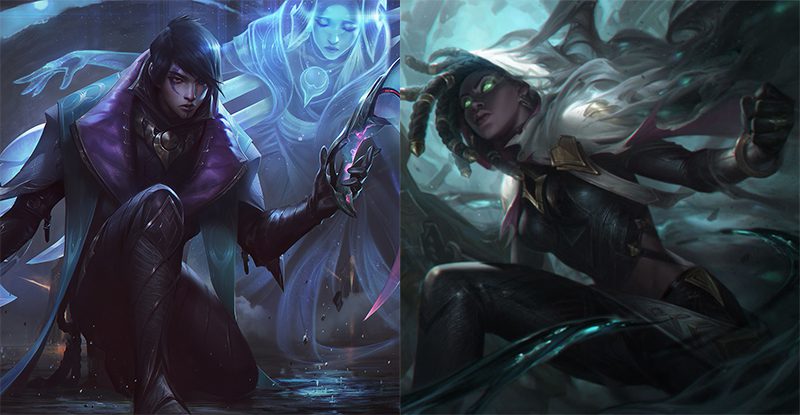
However, in recent years, the balanced champions from Riot Games can be counted on one hand. Most recently, we have the trio Sett, Aphelios, and Senna, who immediately demonstrated their “omnipotence” upon release. They can do things that other characters in the same role cannot (healing and stealth from Senna or long-range crowd control with Aphelios) or do better than all their peers (Sett’s skill set).
Although they are also products of Riot, they had to admit that these are broken products and pledged to players that overly dominant new champions will not be designed anymore. Riot’s Mark Yetter, head of League of Legends design, spoke about this.
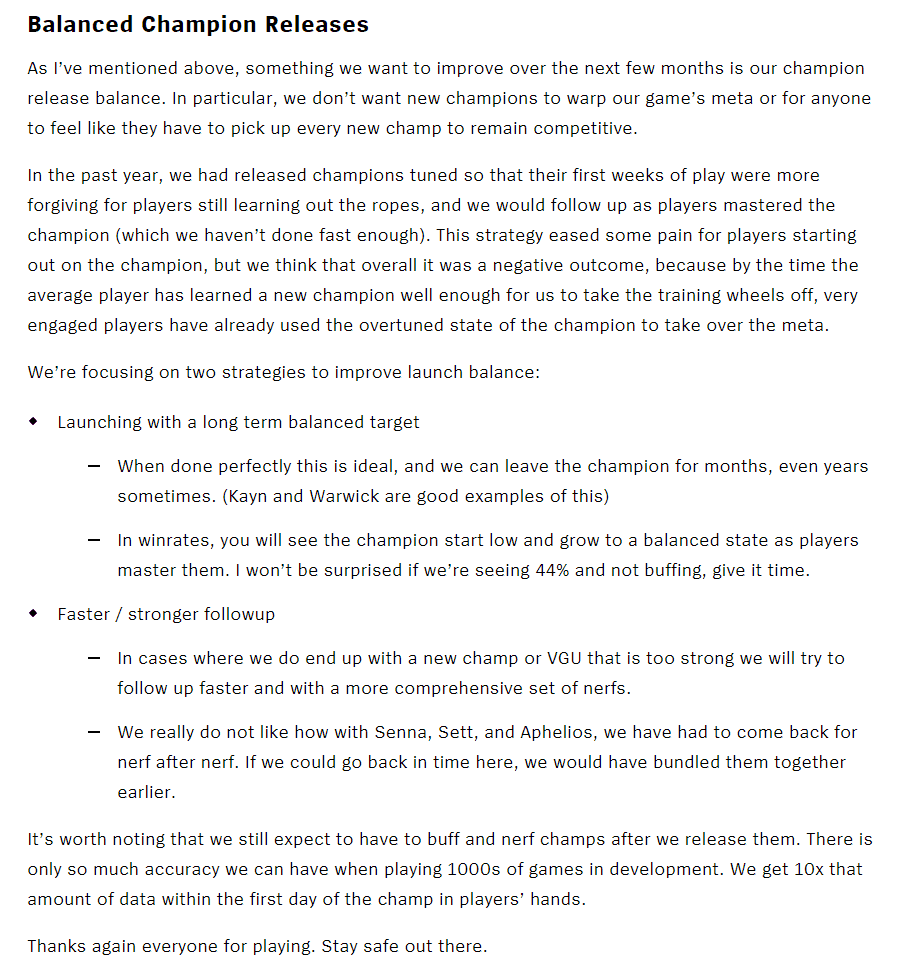
Riot Mark Yetter: “Balancing New Champions
As I mentioned earlier, one of the things we want to improve in the upcoming months is balancing newly released champions. Especially, we do not want new champions to dominate the meta or for players to feel that they have to pick the new champions to win.
Last year, our approach would be to let players freely explore new champions when they first come out and not rush to nerf them. This would make it easier for players to get used to new champions, but we think the negative outcomes were more common. Simply put, once players get accustomed to them, average players can adapt too well to new champions, while better players take advantage of their superior power to dominate the meta.
We will focus on two main ways to upgrade the new champion release process:
Release new champions with long-term balance goals
If done well, we may allow that champion to be balanced for months, even years, without excessive adjustments (Kayn and Warwick reworks are prime examples).
Regarding win rates, you will see new champions start with a low win rate and gradually rise to a balanced threshold as players master them. I wouldn’t be surprised to see a champion with a 44% win rate that doesn’t get buffed; let’s give it some time.
Faster and stronger adjustments
In cases where a new champion or rework makes that character too strong, we will try to make quicker adjustments with more comprehensive nerfs.
We have to admit that Sett, Aphelios, and Senna are too broken, and the team had to continuously nerf these champions. If I could turn back time, I would nerf them even sooner.
It’s worth noting that we still anticipate nerfs or buffs even after a champion has been released. We can only play about 1000 matches during the design process, while this number could be ten times higher, and we will gather a lot of information within the first few days after it reaches players. Thank you all for playing League of Legends, and stay safe at home.”
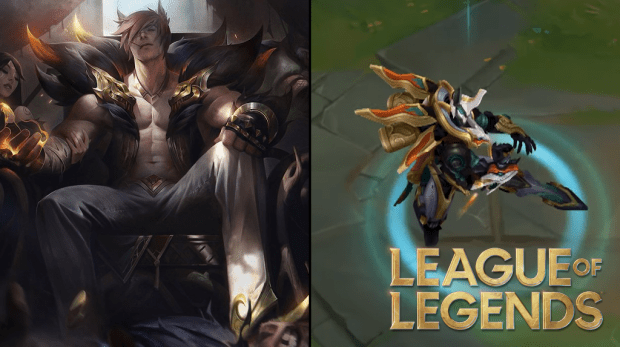
Perhaps we don’t need to overemphasize the ‘toxic’ nature of the trio Sett, Aphelios, and Senna anymore. Even at this moment, these champions are still extremely strong, and the prospect of nerfing them in the future is completely understandable. More importantly, it’s what Riot Games promises regarding new champions, that initial characters may be weak but will balance out as players gradually get used to them.
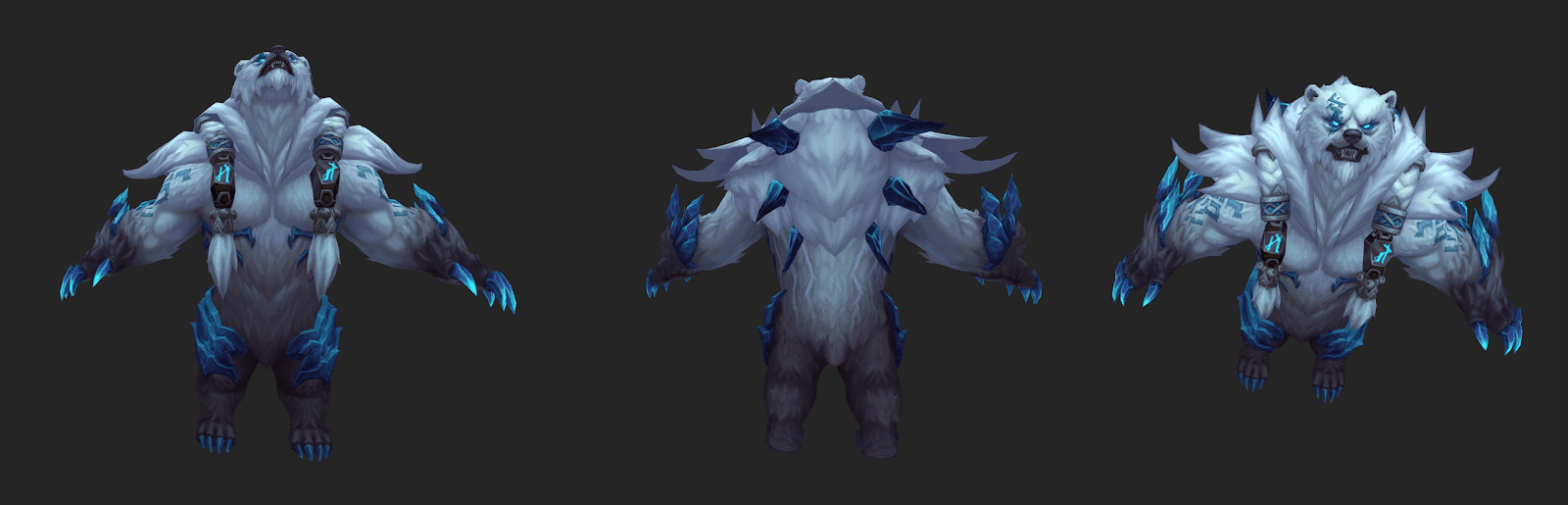
Currently, Riot has not confirmed what their next champion will be, but we know that the next rework project named Volibear is very close to us. In a leaked skin list from a few days ago, we learned that two new champions could be Faye (Akali’s sister) and Yone (Yasuo’s brother). No matter what the new champions are, we can hope that they will be interesting to use and not as overpowering as what Riot has promised.