

Originating from the custom map of DOTA 2 – DOTA Auto Chess, the Autobattle genre emerged like a refreshing breeze in the gaming world, providing just enough strategy to attract hardcore gamers while offering enough luck for those who enjoy taking risks. Both “Strategy” and “Luck” play a significant role in influencing the game, ultimately determining the success and appeal of an Autobattle game.
Teamfight Tactics Season 1 accomplished this, if not doing exceptionally well for a game riding on a trend. During that time, numerous playstyles emerged, with a plethora of powerful team compositions. Names like Volibear Carry, Demon, Elementalist – Ninja, Jinx – Brawler, Empire – Knight… became beautiful memories for players as each match presented a different battlefield and a new team composition to play or counter.
However, after a bland Season 2 both strategically and aesthetically, Season 3 comes with a series of vibrant changes in champion designs, battlefields, and the exciting new Celestial mechanic. The reality is that players, and partly Riot Games, are getting swept up in those colorful and enticing elements while forgetting the two fundamental aspects of this genre – “Strategy” and “Luck” are gradually becoming unbalanced.
In Season 3, there is only one champion, Kayle, designed to make players build their composition around this unit, whereas in Season 1, there were many more options. Rengar, Volibear, Jinx, Akali could all carry if nurtured properly. In terms of larger compositions, Season 3 boasts numerous overpowered 6-champion combos (6 Shadow, 6 Cybernetic, 6 Rebel…) where simply achieving a strong enough build guarantees a good placement.
This leads to a significant “stagnation” in strategy; why innovate when simply following the game’s guidelines leads to victory? Early in the season, everyone played Rebel, then 6 Cybernetic, and Shadow dominated, followed by 6 Star Guardian and Pilot – Spy compositions similarly. We hardly see any “new” compositions; each match is merely a different version of the same style.

That addresses “Strategy,” but what about “Luck”? Teamfight Tactics currently encourages players in various ways to “roll” and hyper-roll as much as possible. If you don’t believe it, you can enter the game and experience it; encountering several players opting for a playstyle that spends all their money to “gold-plate” their composition is something you see in every match.
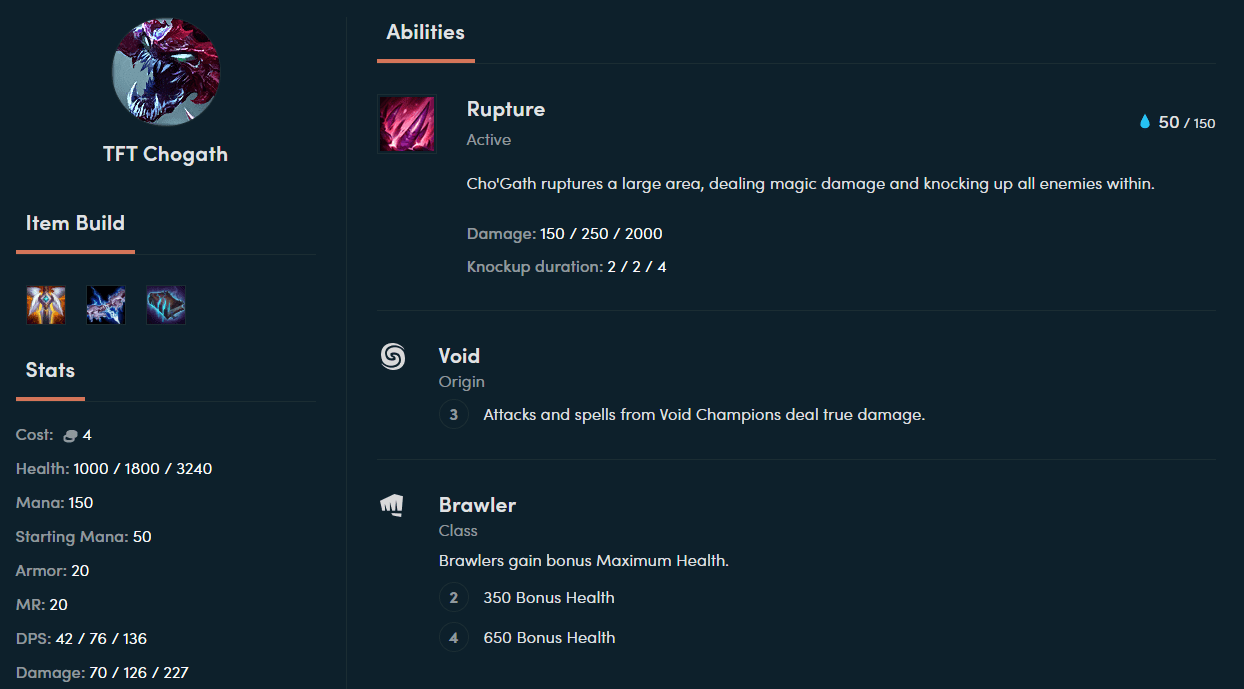
The reason is incredibly simple: Riot has buffed the power of 3-star units so much that if a 3 or 4-cost champion reaches this final level, they can deal an astonishing amount of damage. Take Cho’Gath as an example, a unit present in both Season 1 and Season 3. With the same stats, cost, and traits, in Season 1, a 3-star Cho’Gath dealt 600 magic damage and stunned for 2 seconds. In Season 3, that number is 2000 damage and a 4-second stun.
This significant power increase for all 3-star champions means that every player wants to possess them, as it is the quickest and most effective way to win. Why bother with tiresome calculations when you only need one 3-star champion to literally wipe out the enemy team and secure victory? The strategic element in Season 3, which was already more “stagnant,” is further diminished by the current trend of players “rolling” for 3 stars.
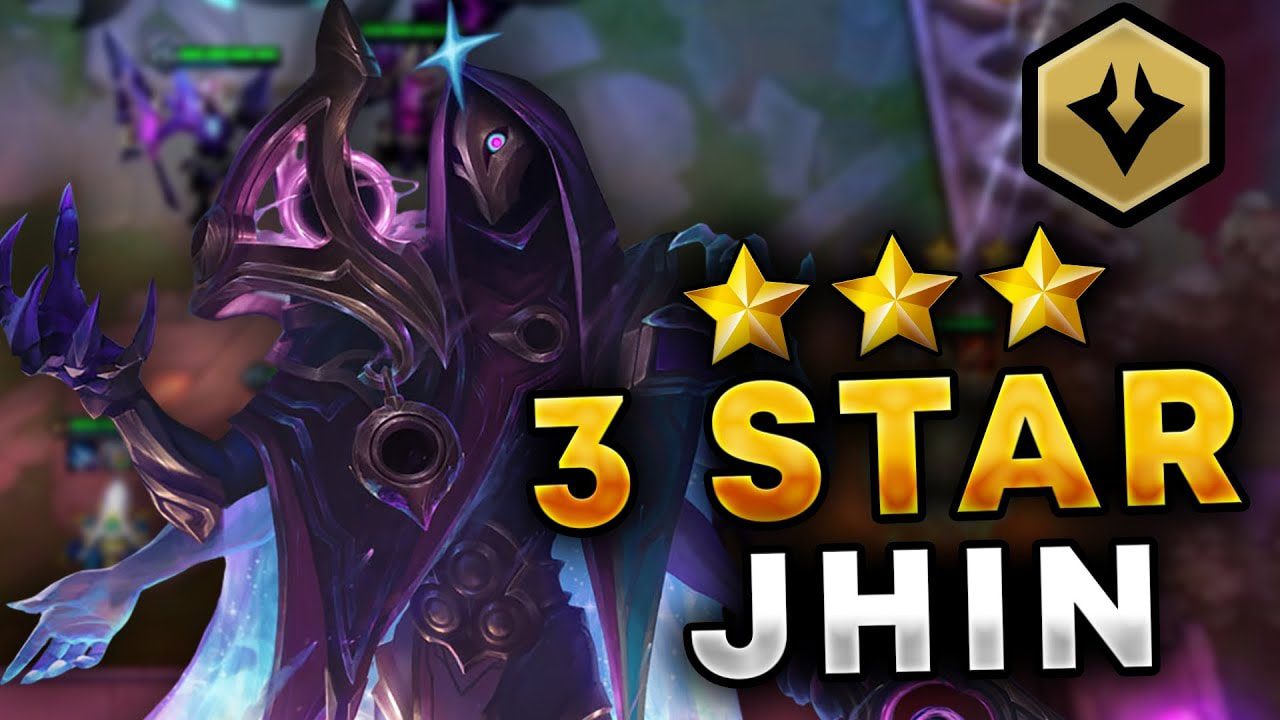
Riot Games may have a statistically successful Season 3, but their game balancing is indeed problematic. It’s true that 3-star champions need to be significantly stronger than usual, but if they become overwhelmingly powerful, the game turns into a true “luck” race to see who is lucky enough to acquire the highest-level champions first.