

The development model for the esports industry, especially for League of Legends, is gradually being planned worldwide. When it comes to structure, perhaps the North American organization Team SoloMid does this best. Nowadays, South Korea is also taking steps to turn esports into a lucrative industry. After organizations, tournaments, and management associations were systematically organized, South Korea has now added another business format: “Training esports players.”
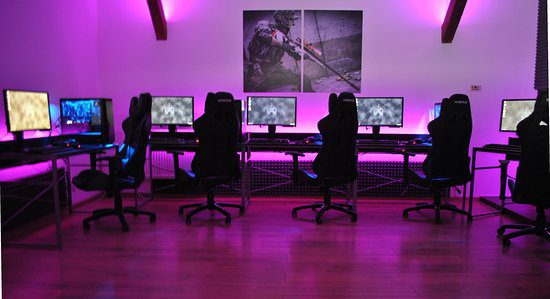
With the goal of providing skills and mindset to players so they can enter fierce battles on keyboards and computer screens, an organization named Big Picture Interactive has established a “GameCoach Academy,” specializing in training players in the necessary skills before stepping into the “School of Life” to fight alongside teammates and other opponents.
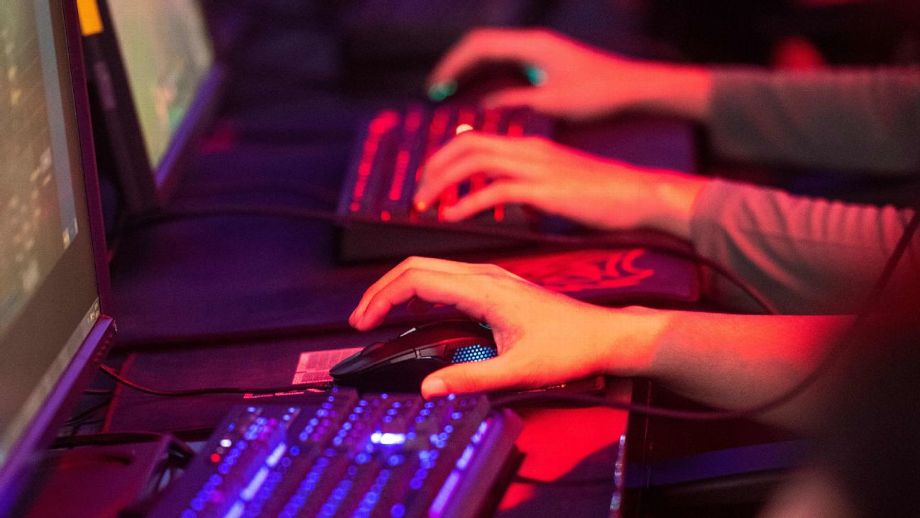
In simple terms, if a student wants to study well, they take extra classes, while a player who wants to improve their skills will attend this center. This center has qualified coaches and instructors; just pay the tuition fee, and you will be trained to enhance your potential in the esports field. This model does not exist in Vietnam, as Vietnam only has youth training teams, meaning those teams nurture young players to compete or transfer in the future.

Currently, this center offers training based on various factors: one-on-one training, group training, and is conducted by specialized individuals who have completed stringent tests and are regularly evaluated. Students participating in the course are provided with lessons from existing curricula, paired with professional competition teams, and offered support for semi-professional to professional tournaments as needed. This means that as long as you pay the tuition fee, everything will be taken care of from A to Z to build a foundation before stepping into professional competitions.
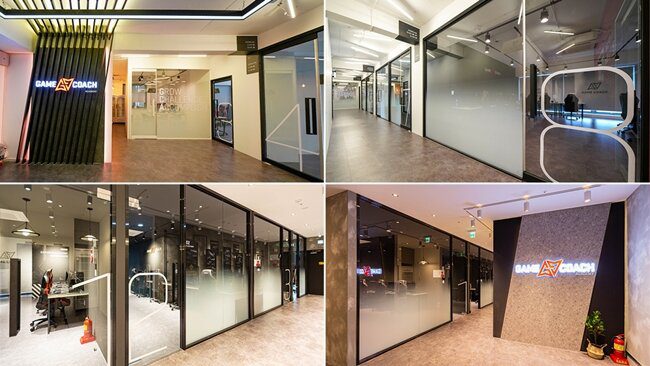
This esports training center is currently operating in three disciplines: League of Legends, Overwatch, and Battleground. These are excellent places for young players to hone their skills before entering the professional environment. To move towards establishing such training centers, the esports industry requires considerable development because supply must meet demand; no one wants their children to be trained in esports when the esports scene is still underdeveloped, and societal prejudices are still prevalent. Hopefully, one day, training centers for esports like this will exist in Vietnam.