

I have a colleague who, every lunch break, has to play a couple of matches of League of Legends before he feels comfortable going to eat. Each time, our office bursts into laughter at the antics of this guy with a wild attitude. From jungle ganks to mid-lane mistakes, he often blames the support for not covering him. When he wins, he starts taunting the enemy team in all chat, but when he loses, he slams his desk and curses without stopping.
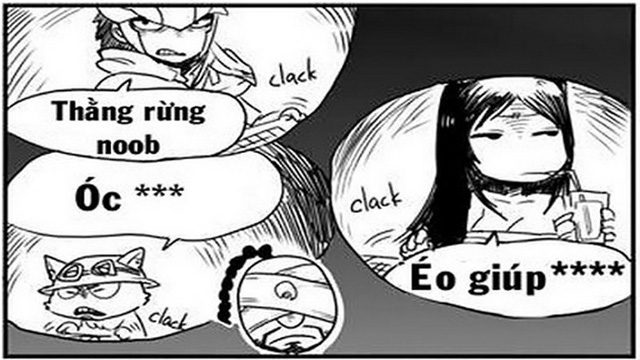
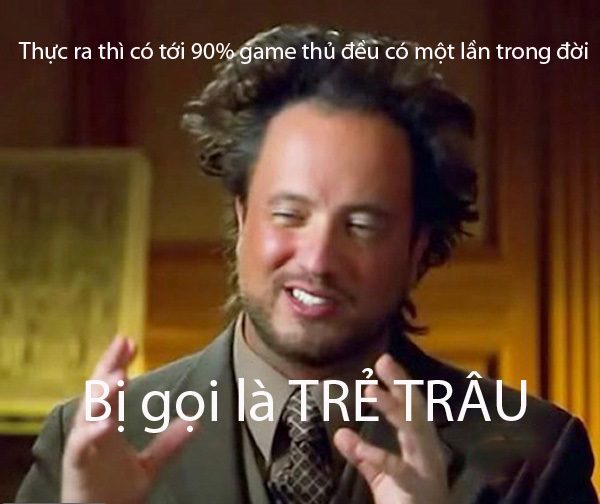
If we were to speak in the language of today’s youth, my friend would surely be labeled a “toxic kid” that gamers often mention with extreme frustration and disdain. Toxic kids are hated, they ruin games, they love to curse – no gamer wants to repeatedly encounter such players while gaming. But have you ever thought that if one day online games had no “toxic kids” at all, it would actually be quite boring?
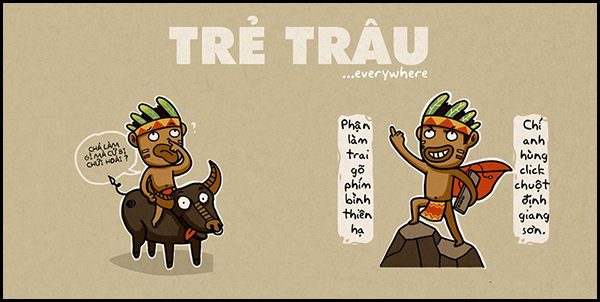
I have played the “perfect” League of Legends matches: reasonable jungle ganks, supports constantly controlling vision, mid-laners roaming whenever there’s a gap, top-laners always teleporting in time, and ultimately a quick win with five honors. Perhaps those are the “dream matches” for any League of Legends player. But can you imagine if for a whole month or even a year, every match was “clean and tidy” like that? Just sitting silently clicking away, everything flowing according to your wishes – wouldn’t that be incredibly dull?
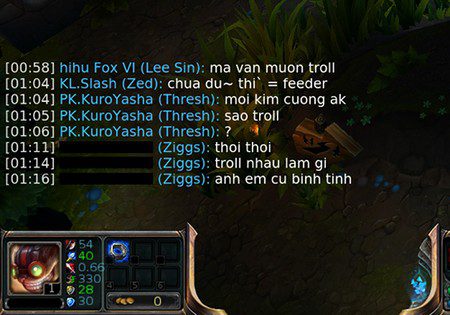
The feeling of intense passion, being fully engaged in success or failure, winning or losing is the core value of any game. Encountering toxic kids daily, whether on your team or the enemy’s, is when your emotions are expressed most authentically and intensely. And isn’t it true that after each of those encounters, the competitive spirit makes you want to play again, and you feel ecstatic when you carry your team and shut the toxic kids up with your skill? We keep complaining about toxic kids, but has anyone ever quit gaming for that reason?
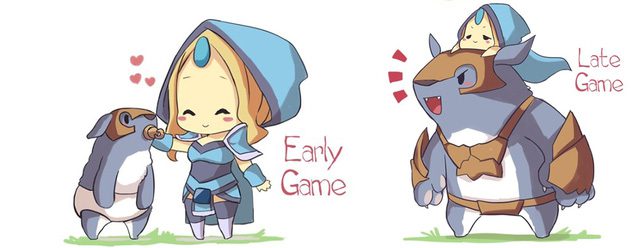
Another thing, we often criticize others as toxic kids, but in reality, there’s always the opposite side. Reflect on whether you’ve ever blamed teammates for not understanding your intentions leading to a loss? Have you ever cursed just because the support “accidentally” used ignite on the enemy ADC and stole the first kill? In fact, toxic kids are just a general term for negative reactions when one is too immersed in the gaming world, which means everyone has had their moments of being a toxic kid. If the dream of eliminating all toxic kids came true, there would probably be no gamers left, because we ourselves are the toxic kids we want to get rid of.
No one is perfect, and no individual can please everyone around them. Therefore, instead of complaining, each of us should self-reflect on whether we are truly better than other gamers.
Generally, in team strategy games (MOBA), the concept of toxic kids is clearer and harsher, simply because it’s a team game, the awareness of one player in the team affects 25% of the match outcome. But in MMORPGs, where gamers play solo with their character, building items however they like, does the concept of toxic kids even exist?
The answer is yes, and quite a lot actually. In MOBA games, toxic kids often ruin games, troll, and feed indiscriminately, while in RPGs, the manifestations of toxic kids are somewhat different: stealing kills, boss camping, and cursing without knowing right from wrong… Among them, kill stealing is considered a plague no different from tools, hacks, trolls, or feeding in MOBA games.
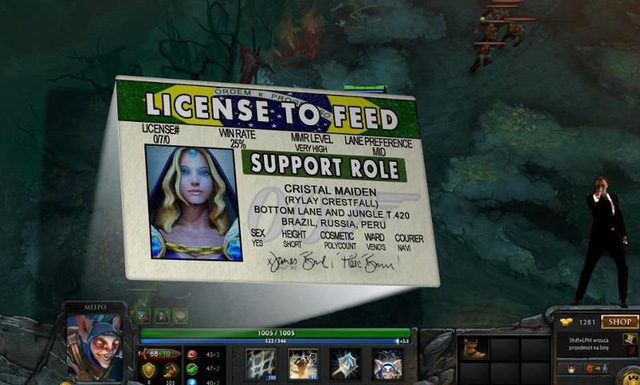
Returning to the main issue, what would happen if the games we play were completely free of toxic kids or toxicity? An online gaming world where everyone plays by the rules, where each person’s game is their own – would it really be better? The answer, of course, is no! You can feel frustrated when you’re “ganked,” you can slam your desk when you’re “ganked,” but that’s what drives you to grind, that’s what makes online gaming real.
There are two types of people that keep you gaming regularly: one is your dear friend and the other is the one you hate. Once the “toxic kids” are gone, the enemy for each player will significantly decrease. Players, losing 50% of their reasons to game, will gradually approach the “introverted” stage of offline gaming (i.e., playing the game, completing quests, “self-satisfying” item upgrades, and then logging out). Online games will lose their community; the bonds will determine the game time to just a few fingers.
In Conclusion
Saying this doesn’t mean we should overlook or condone the behavior of “toxic kids” as it directly affects the rights of other players. However, instead of wishing for all toxic kids to disappear, we should encourage everyone to learn how to control their ego and put themselves in the shoes of others. After all, toxic kids are the dark side of gaming, existing alongside and intricately linked, because a game without toxic kids would probably only exist when playing alone or with a few close friends.