

The reason that casual video games are considered Esports is thanks to the professional arena. In that space, it’s a completely different game, but professional players have not truly articulated how it differs, and casual gamers only assume they are like geniuses who play the game far better than the average person. However, everything is much more complicated, and in the latest video by YouTuber Exil, player MikeYung shared these differences.
Professional gamers really dislike Riot’s game updates
At first glance, this might sound normal since who doesn’t complain whenever Riot Games updates a version? However, for pro players, what they dislike most about Riot Games’ updates is the frequency. It’s true that this keeps League of Legends fresh and generates many styles, but it negatively impacts professional gamers.
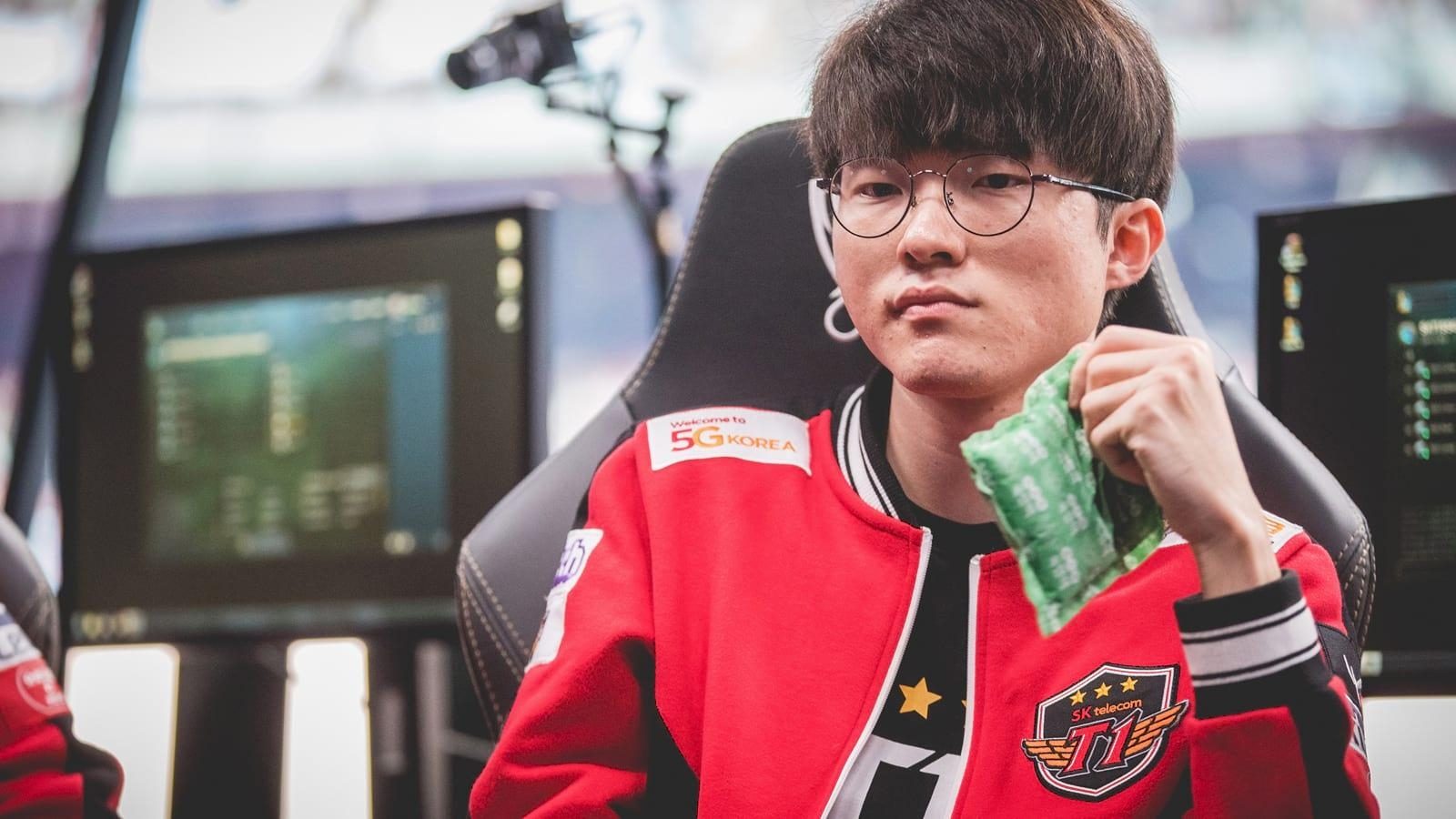
For pro teams, they do not just practice as five individual players; they train as a team with various formations. It’s quite normal for them to have strategies and favorite tactics they practice in secret to compete against opponents. However, if Riot releases a new patch that heavily nerfs a key champion in that lineup or changes a champion’s playstyle, wouldn’t all their hard work go to waste? That’s why pro players despise the current two-week patch cycle.
Pro players learn from every game, regardless of win or loss
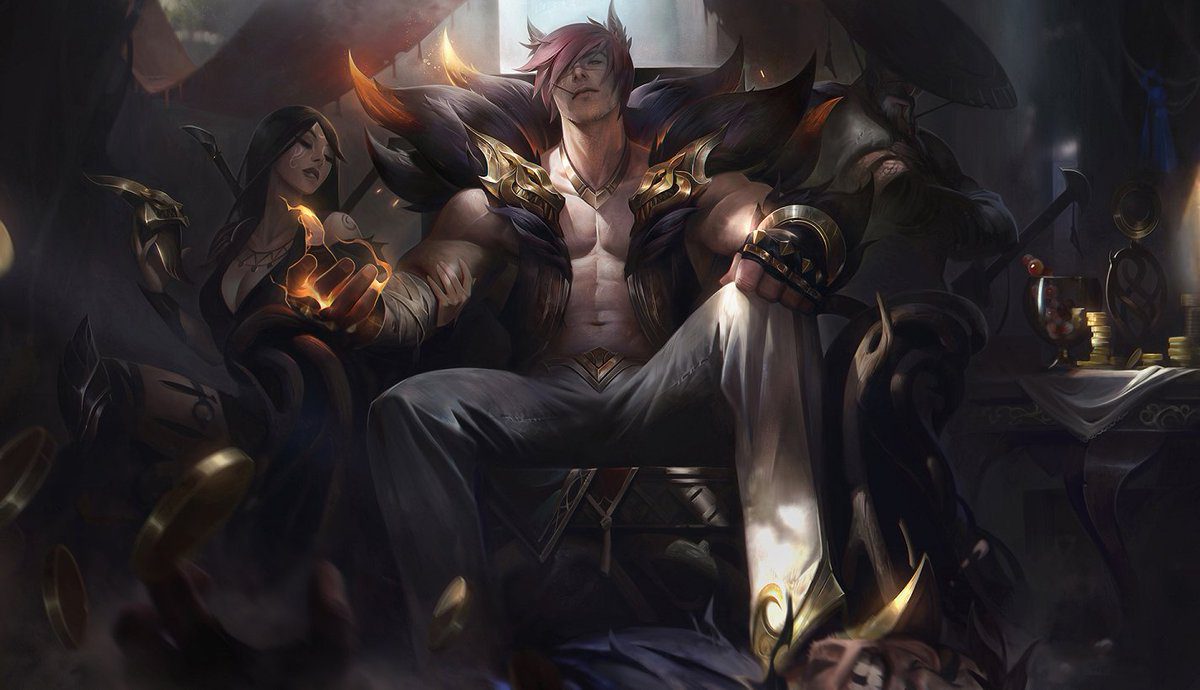
Returning to the goal of playing League of Legends, which is to win, casual gamers like you and I often find every way to achieve this, such as split-pushing, picking the right champions, or building items to counter opponents… in short, the goal is to secure a victory. However, for professional gamers, a win sometimes doesn’t hold much significance; the most valuable takeaway after each game is learning something from it.
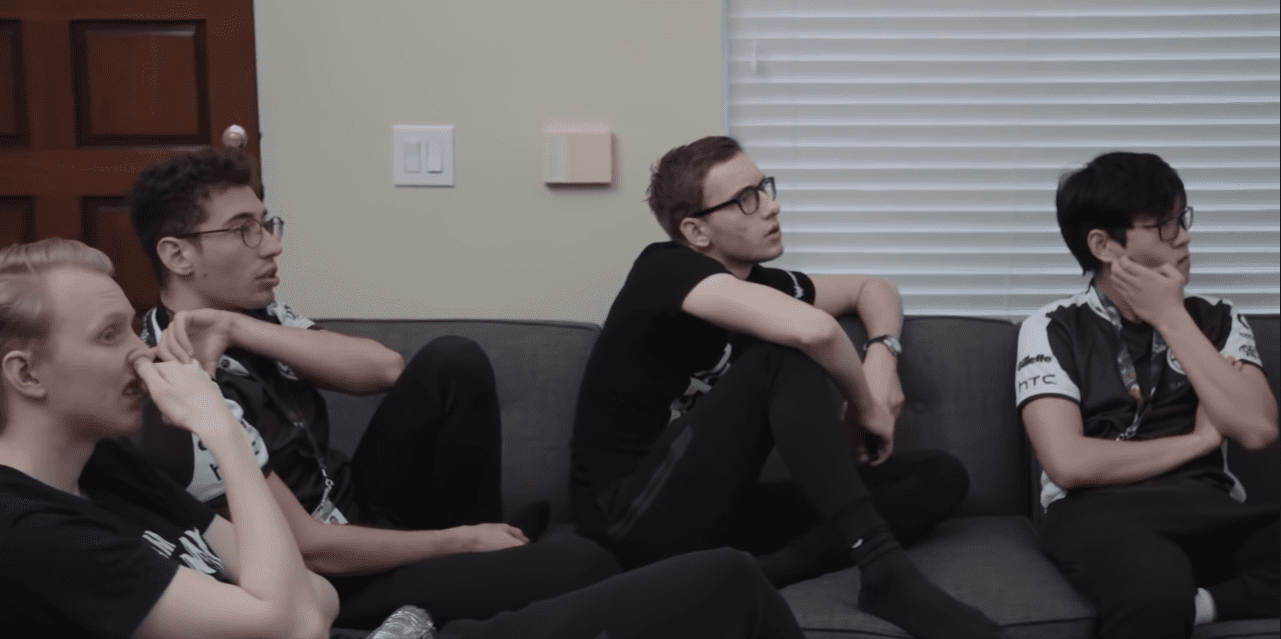
When a professional gamer practices, they don’t just play League of Legends purely; there’s a lot more to do, such as reviewing match replays, learning the theory behind team compositions, or analyzing takeaways from each game. Everyone from players, coaches, to analysts contributes to this process, discussing League of Legends, what they’ve learned, and gradually elevating their skills. Therefore, regardless of winning or losing, these are truly valuable lessons for each player.
Solo queue is for practicing the ability to “carry the team alone”
One of the most significant differences between solo queue and playing as a team is the ability to communicate. Unfortunately, in League of Legends’ solo queue, this is nearly nonexistent; you can only see pings, and sometimes people cursing in the chat box. No one tells you what items to build, how to move, or how to set up a gank or secure an objective.
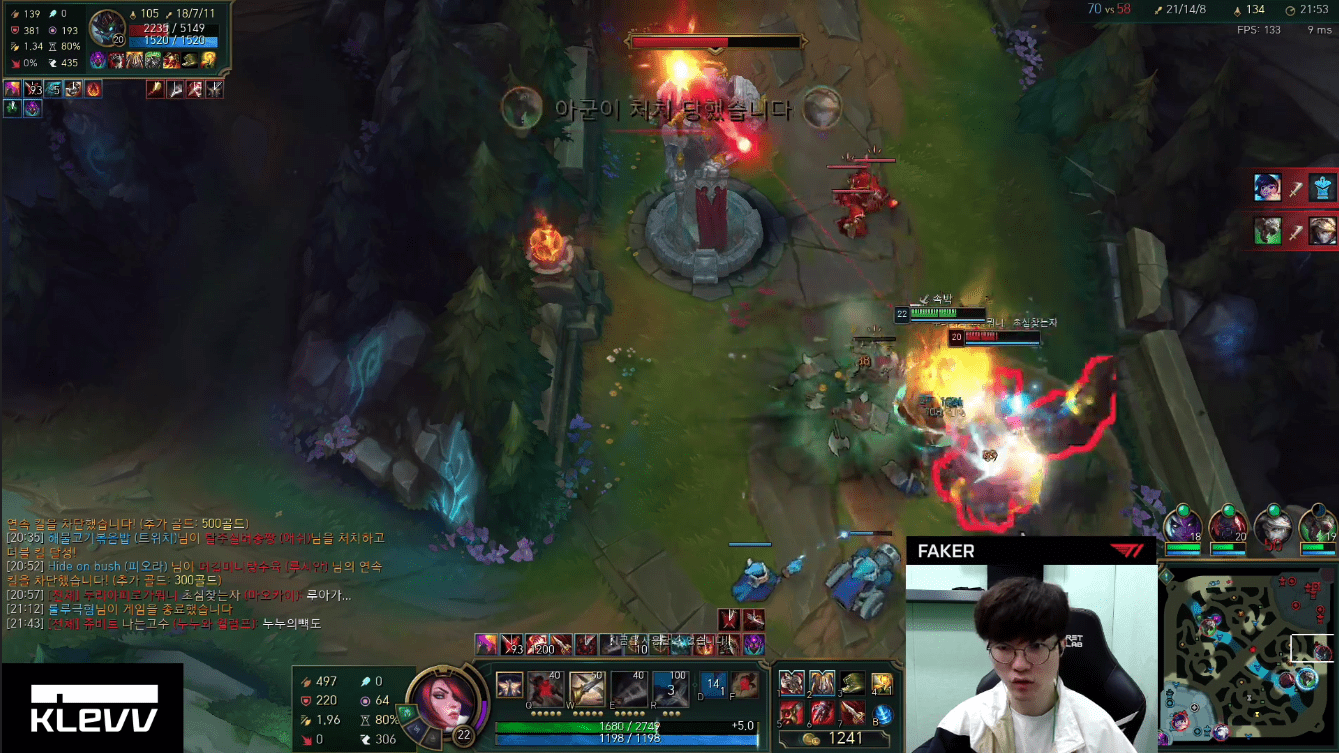
Meanwhile, for professional gamers, the flow of information and, above all, communication between players is crucial. This cannot happen in solo queue; thus, whenever you see a pro player streaming ranked, you can understand that they want to “carry” or experiment with some new builds rather than having a specific goal to climb the ranks.
The gap between professional level and solo queue will narrow if there is voice chat
One of the most notable shares from player Mike Yung in the aforementioned video is his belief that player skill would improve significantly if League of Legends had voice chat, meaning you could communicate with teammates in solo queue. Mike Yung himself said he really wants to show his teammates how to set up for objectives, control the map… but without voice chat, everything is impossible; typing in the chat takes too long.

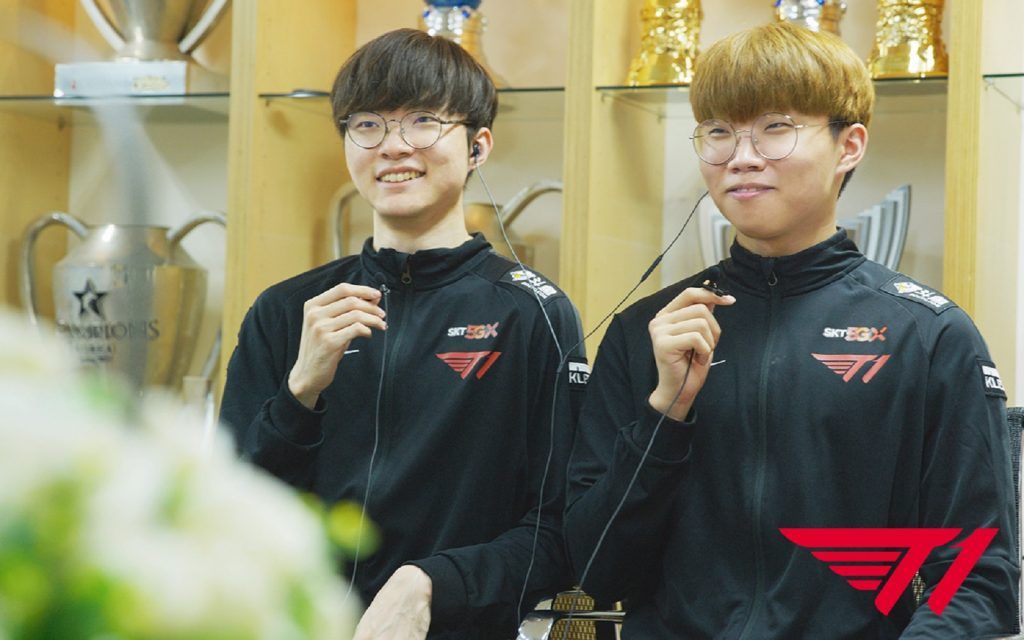
This is likely a feature that Riot Games has underestimated, but it is what allows players to progress their skills incredibly quickly. Have you ever wondered how Faker could become a world champion at the age of 16? Of course, innate talent plays a role, but being able to communicate and practice in a professional environment with skilled teammates and coaches is what helped the “God of Esports” advance so quickly.
The lack of communication ability creates a widening gap between solo queue and pro players. Casual gamers remain stagnant, while professional players practice amidst numerous competitors, thus becoming even more skilled. This is commonly seen in other Esports games, but in League of Legends, this gap is the largest.