

Recently, Chinese media has been buzzing with reports that the government has officially enacted a law to strictly control the gaming time of minors to combat the growing issue of gaming addiction among this age group.
Specifically, this law mandates that individuals under 18 can only play games for a maximum of 1 hour on Fridays, Saturdays, and Sundays, or on holidays and festivals. Playing games is absolutely prohibited on “working days”.
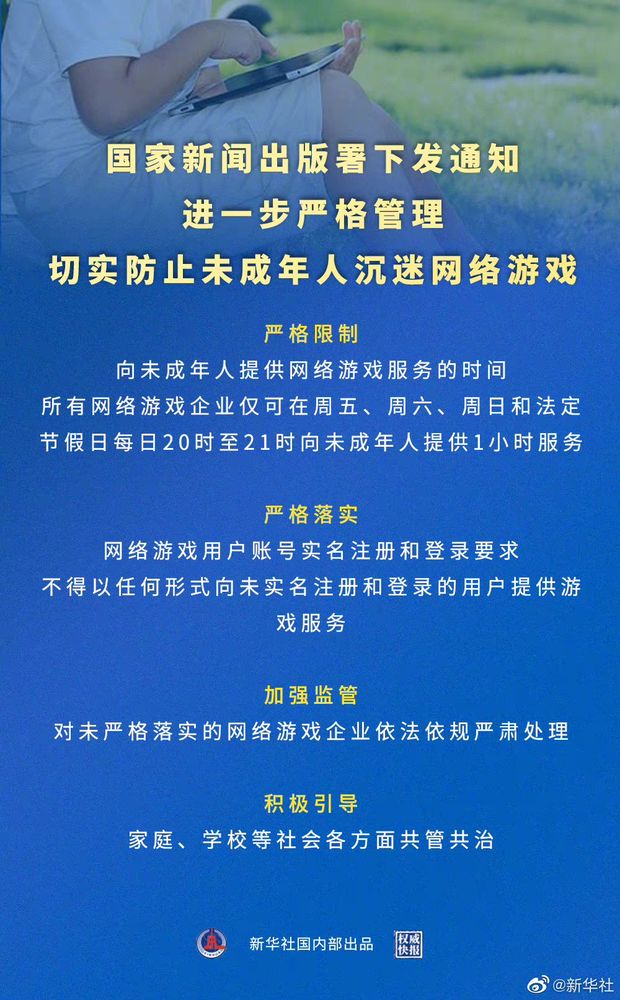
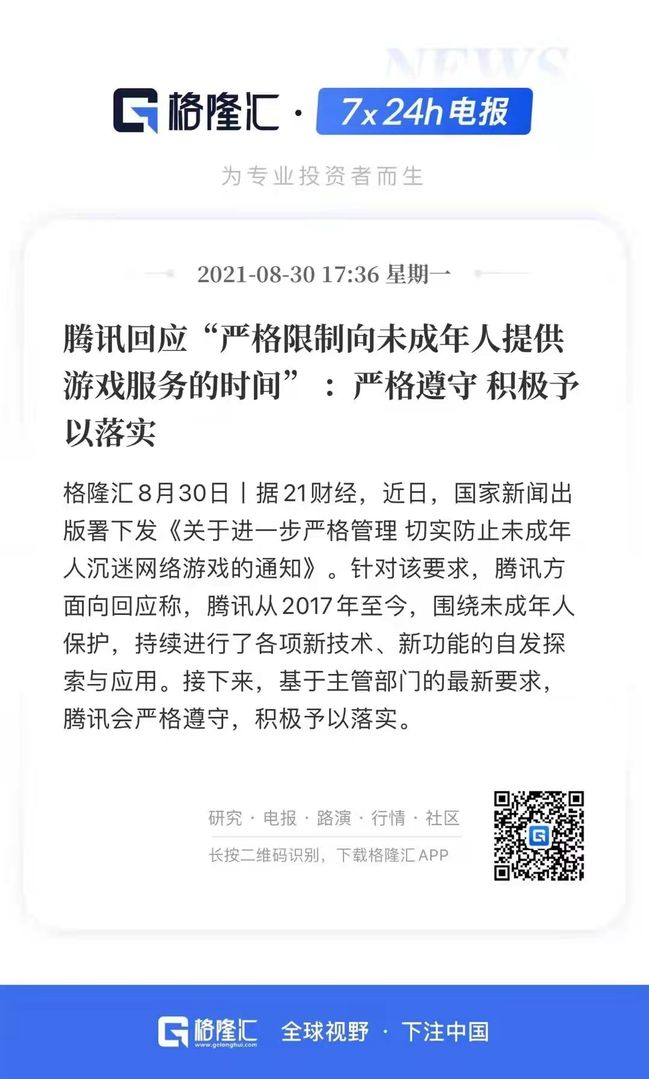
Following the enactment of the law, Tencent Games – the parent company of the two popular MOBA titles Honor of Kings and League of Legends – was the first to issue a press release stating that it would strictly comply with this law, while also proposing measures to control user engagement.
In 2017, Tencent was also a pioneer in China in developing applications to manage and control customer information to classify minors and implement measures to control their gaming hours.
Although this law is considered reasonable in the context of the growing problem of gaming addiction in Chinese society, a significant consequence is that the limited gaming hours are expected to severely impact the development of the esports industry in China, particularly League of Legends.
In China, the LPL tournament system currently operates on a professional model, classified into professional leagues, youth leagues, and academy leagues. Similar to the LCK, LPL organizations also own youth teams and training academies to recruit young local talent for future development.
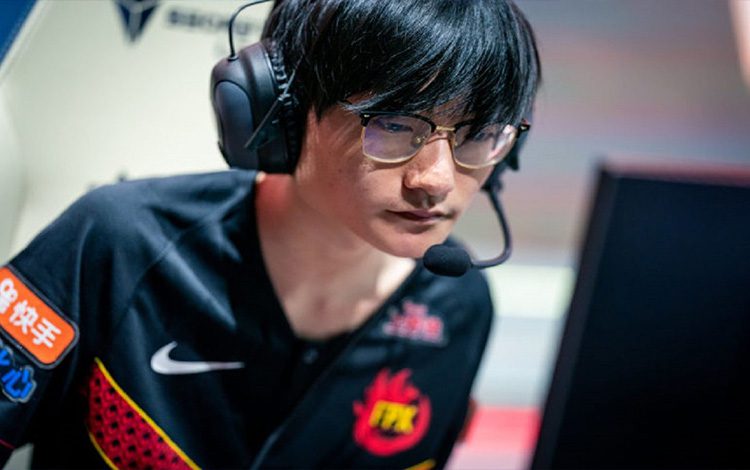
The problem here is that despite having training academies, most of the current young stars of League of Legends in China come from solo queue rankings. Players like Tian, Knight, and Wei were discovered by scouting teams during ranked matches and then recruited and trained in these academies.
The League of Legends community is concerned that limiting gaming for those under 18 will result in fewer spontaneous young talents. While it may be possible to compensate by recruiting interns for the academies, the inability to assess the skill level of candidates before entering the academy could lead to a decline in training quality.
Another source of talent for LPL teams comes from esports courses at formal schools. Some schools in China have incorporated League of Legends as an official subject, which may help students familiarize themselves with the game. However, the prospect of a shortage of young talent in the future and the need to seek stars from… neighboring LCK regions remains a concern for LPL officials who are struggling to find solutions.