

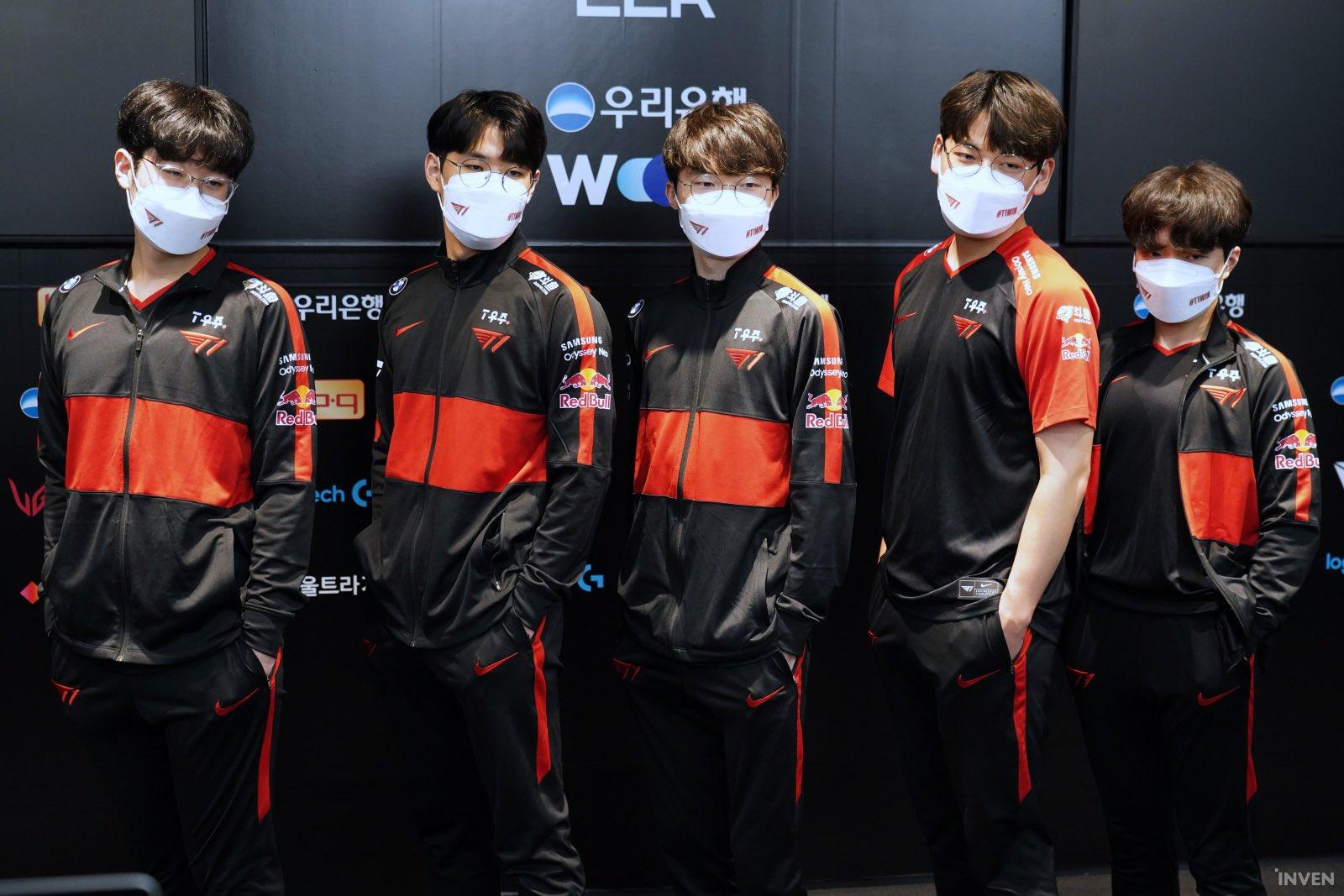
T1 – the team with the most League of Legends fans worldwide is always closely monitored by communities. The main reason is that T1 has Faker, a legend in the world of esports and an icon of this game. Additionally, T1 is in very high form in the Spring LCK tournament and also has young talents with high individual skills under the guidance of the elder Faker. So do T1 fans ever feel that their favorite team has both strengths and weaknesses? Let’s take a look.
1. Strengths
High individual skills
The individual skills of T1 are genuinely among the top in the world. Most of T1’s players are ranked high on the Korean server as they focus heavily on solo rank. Gumayusi has once been ranked Top 1 in Challenger, while Zeus also possesses extremely high individual skills; Keria, despite playing in the support role, can effectively play any lane he chooses. Even though “Old Man” Faker is no longer at his peak, Oner, who is considered the weakest mechanically on the team, still has excellent handling capabilities.
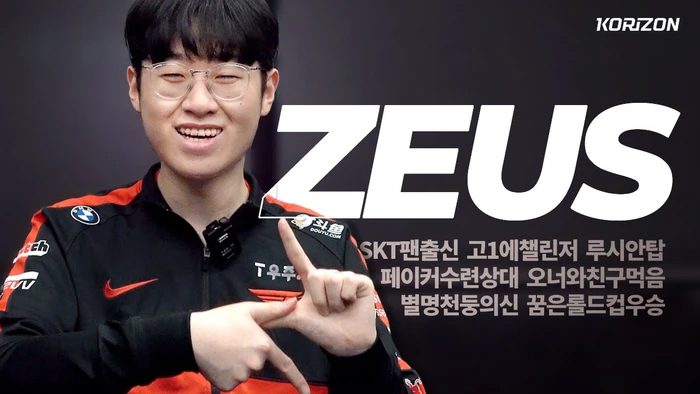
Basically, T1 gathers all the talents of the Korean server; even Faker, despite moving towards the end of his career, still maintains his skills well. It’s just that Faker used to play so well that many feel he has dropped in performance at this time. In terms of skill level, T1 should at least be among the top 2 teams with the highest skills in the world.
Good game execution
We will clarify good game execution to avoid confusion with the next section. Good game execution means T1 knows how to move, set up lanes to create an advantage for their teammates. Have you noticed that T1 always prepares very thoroughly for their moves? They always inform their teammates in advance so they can proactively set everything up as smoothly as possible. Therefore, T1’s turret dives and jungle steals are usually very seamless.
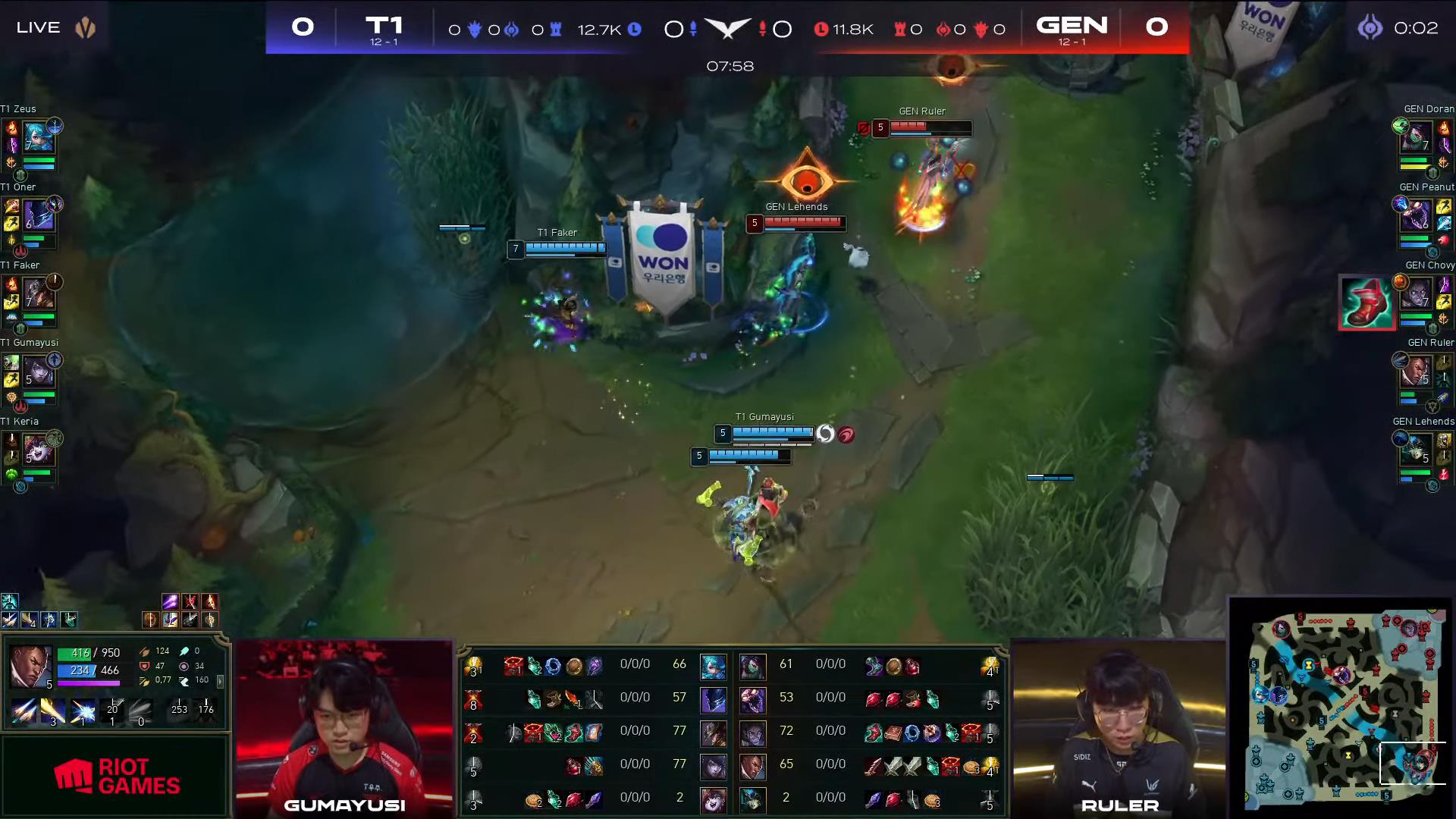
Additionally, T1’s ability to snowball and maintain their advantages in matches is equally impressive. They move very accurately, setting up snowball situations just as theory suggests. For example, after taking 3 outer turrets, they control the jungle, buffs, dragons, etc., to gain a gold advantage and threaten Baron. Moreover, T1 has a very high comeback rate because they understand how to snowball, which also enables them to defend effectively against opponents.
Superb macro ability (Macro refers to strategic thinking for the entire team)
Under Faker’s elite mind, macro has always been a strength of T1. Faker is renowned for his ability to experience and sense the game; he always makes decisions based on his game feel to exchange objectives and benefits while maintaining certain advantages. For instance, trading turrets for dragons, trading kill counts for Baron, or positioning when opponents lose vision… Essentially, we rarely see T1 exchange objectives at a loss compared to their opponents.
Top-level team fights
Team fighting has never been a weakness for T1 since Faker’s time. This is because T1 maintains very precise positioning, targets correctly, and enters and exits fights accurately. In fact, T1 communicates less during fights, but they always understand how to position themselves safely and where to create breakthroughs. Therefore, T1 is quite elusive in team fights, paving the way for successful comebacks.
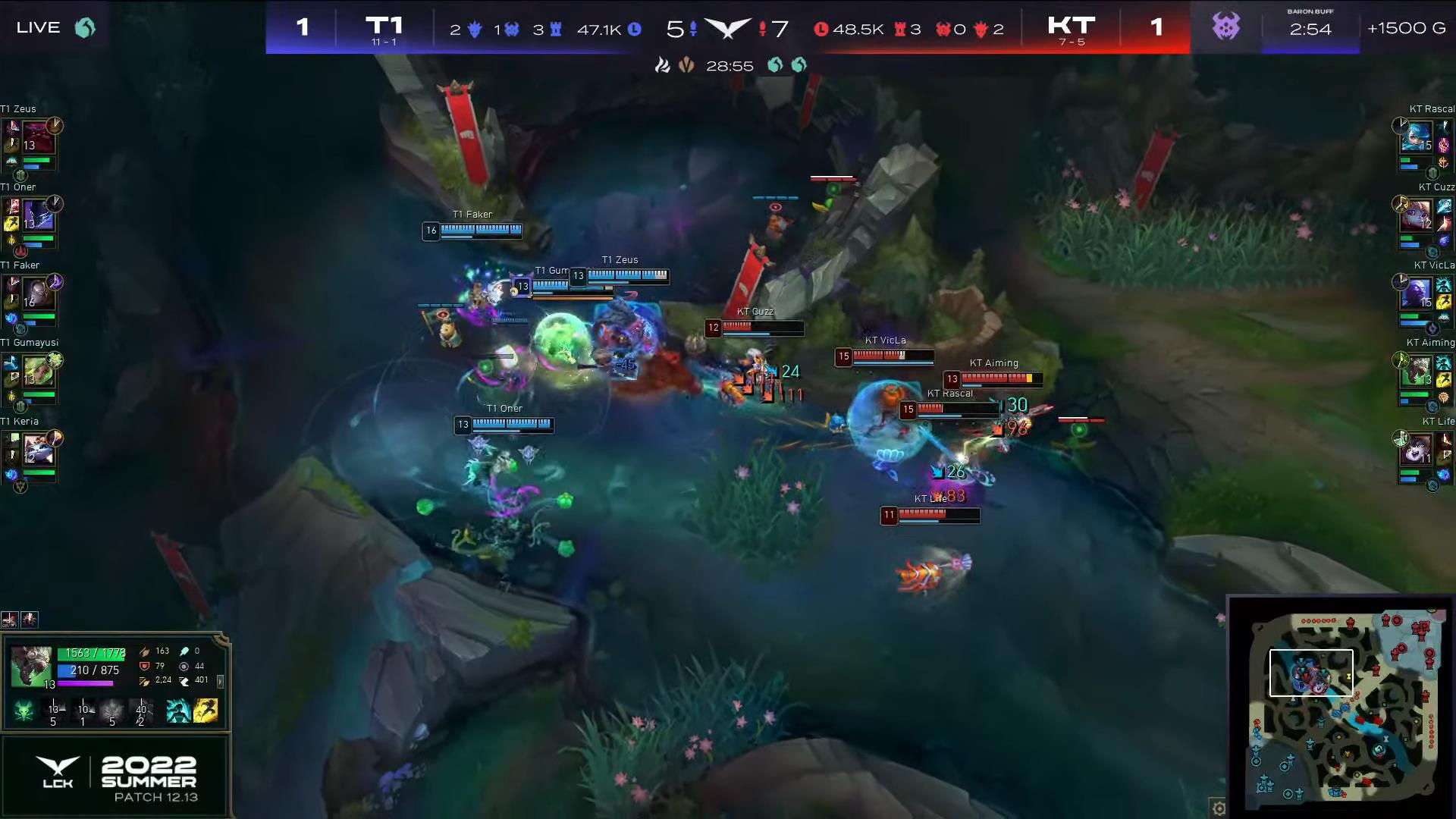
Another point, T1 calls for fights very calmly, not getting chaotic like many other teams. This helps players focus more and contribute to more standard target selection situations.
2. Weaknesses
Limited champion drafting/picking ability
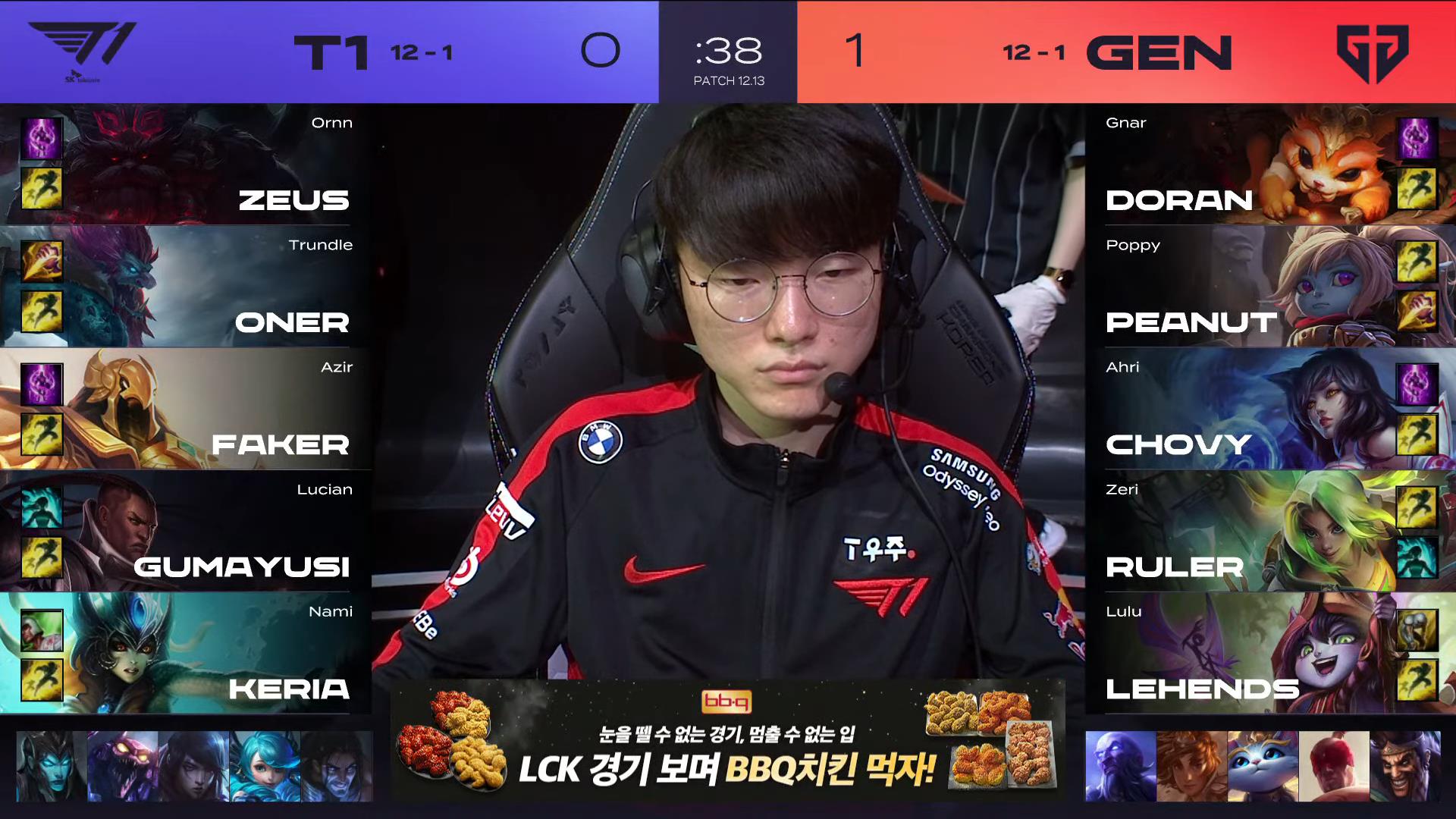
In League of Legends, champion drafting/picking has certain rules. These include lane champions, interactions with teammates, champions suitable for team compositions, etc. These rules may seem small, but in a professional setting, even a little can create success. T1 often drafts/picks based on intuition; they tend to use champions that they feel comfortable with, champions they are confident in. As a result, fans often find T1’s draft decisions quite puzzling. Some T1 fans have even written heartfelt letters requesting the addition of a coach for their team.
Lacking the ability to play according to champion’s strengths
Not only T1, but also teams from the Korean region are not strong in champion deployment. They lean towards map control, so they would be more suitable for champions that excel in the mid to late game. With champions focused on aggression like Lee Sin, Xin Zhao, Kalista, etc., they have yet to fully utilize these champions’ attacking capabilities and lose their unique advantages in the later stages.
In this regard, the LPL in China performs very well, which is the biggest difference between the two regions. Above, we clearly distinguished between game execution and playing according to champion strengths. Execution refers to playing based on lane setup and map position, while playing according to champion strengths focuses on capitalizing on the power of the champion at that stage. T1 may need to improve in this area; they might not face issues in the LCK Korea, but at this year’s World Championship, it might be different.