

As a game that has existed for over a decade, League of Legends (LoL) is perhaps one of the most resilient names in the Esports scene. In recent years, LoL has even made a significant impact and spread to regions like South America, and even African countries are starting to host LoL tournaments. However, how to maintain the vitality of LoL is a matter of concern.
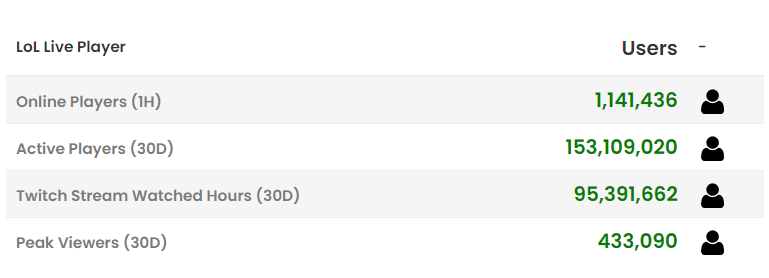
According to recent statistics from the portal ActivePlayer, as of July 2023, there have been 153,109,020 logins to LoL, with players engaging in at least one game. The site also reports an estimated 10,207,268 daily plays. Notably, the China region leads with approximately 75 million players. Surprisingly, Western Europe ranks second, instead of South Korea or other Asian countries. In fact, the number of LoL players in South Korea is even lower than in North America (19,822,000 compared to 27,889,000).
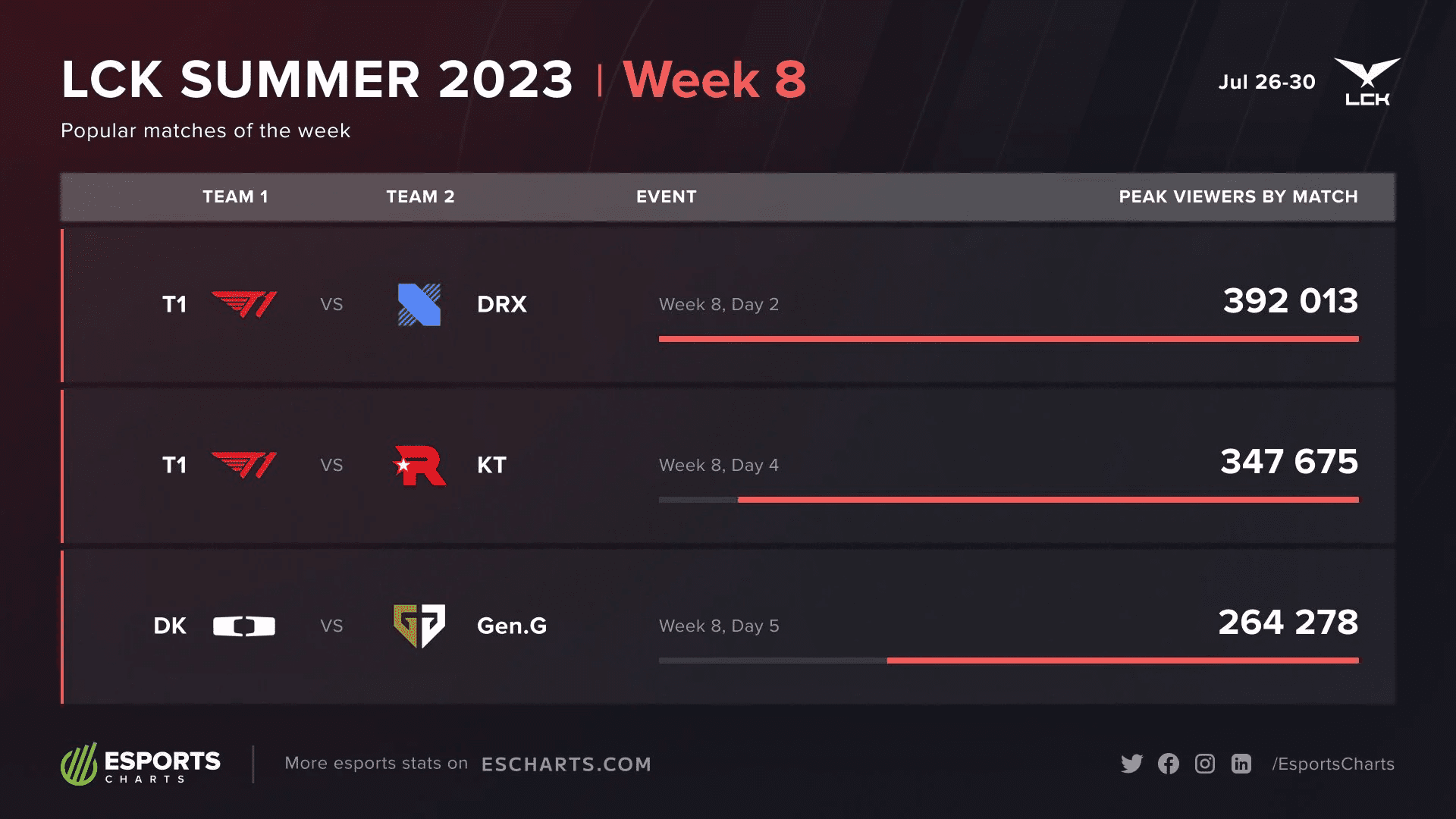
However, as previously mentioned, the viewership for tournaments has not seen any significant increase. For instance, after being relaunched, the LCS has experienced a noticeable drop in viewership, with very few matches exceeding 100k viewers (specifically during the group stage). The LEC has also recorded a 53% drop compared to last year. Nevertheless, this region still reports around 172k viewers. The viewership for the LCK has also decreased compared to Spring 2023.
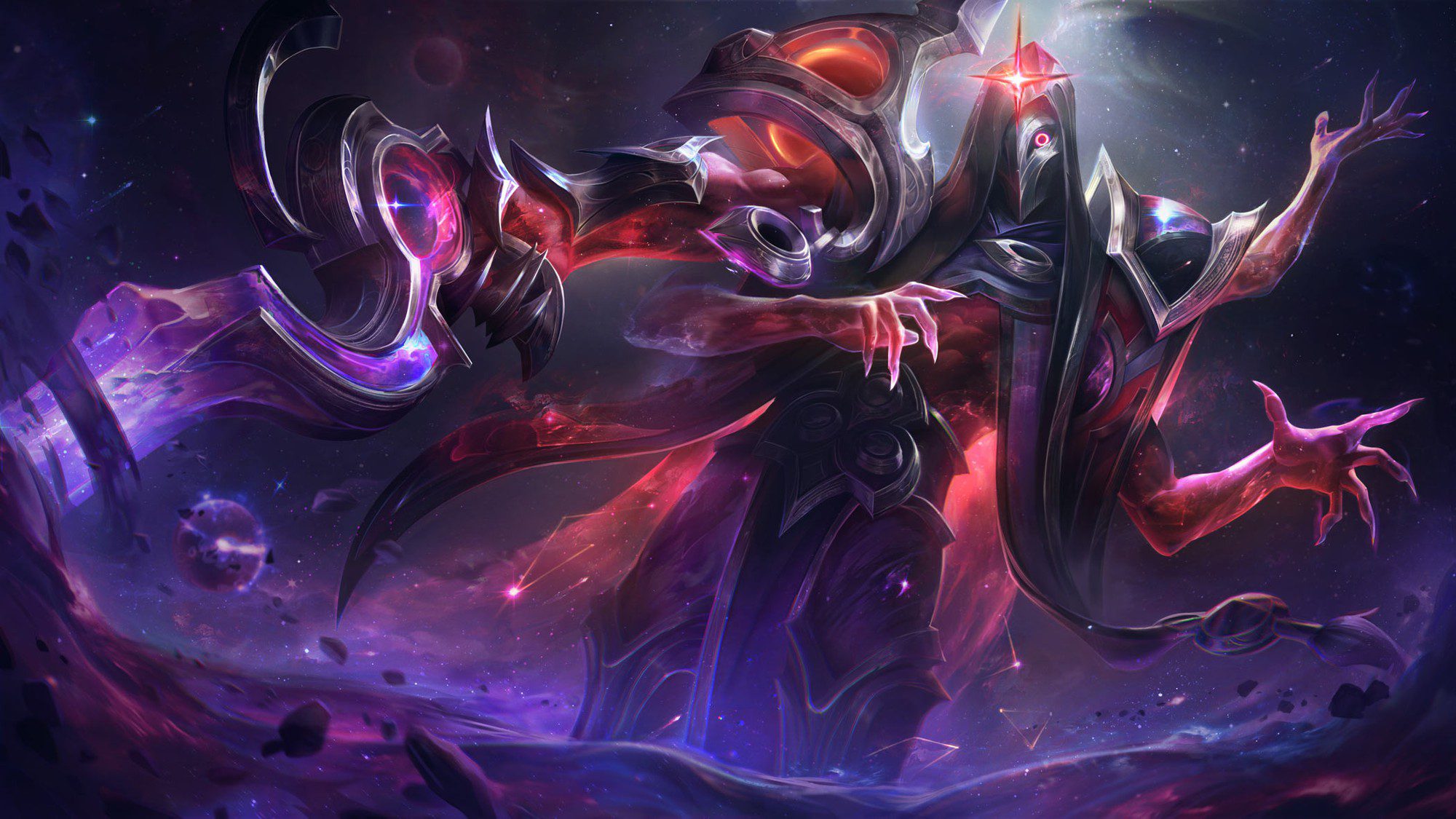
Additionally, one factor that is being discussed as potentially weakening LoL is Riot’s “gacha” policy, exemplified by the recent Multicolored Jhin skin. In feedback regarding this skin package, many players expressed disappointment, accusing Riot of “milking” gamers. Although Riot has recently provided an explanation, it has not satisfied the community. In fact, many have stated they will quit LoL if Riot continues with this policy.
LoL may still exist for at least another 3-4 years. However, this depends on many factors, with Riot’s policies playing a crucial role.